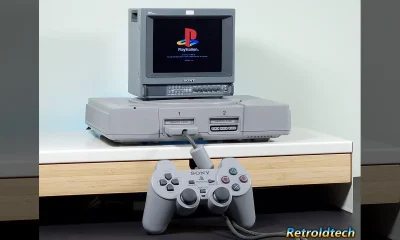
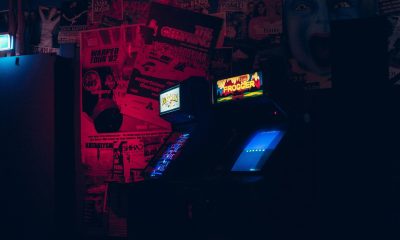
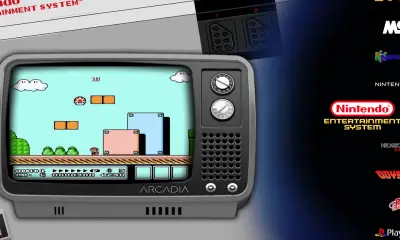
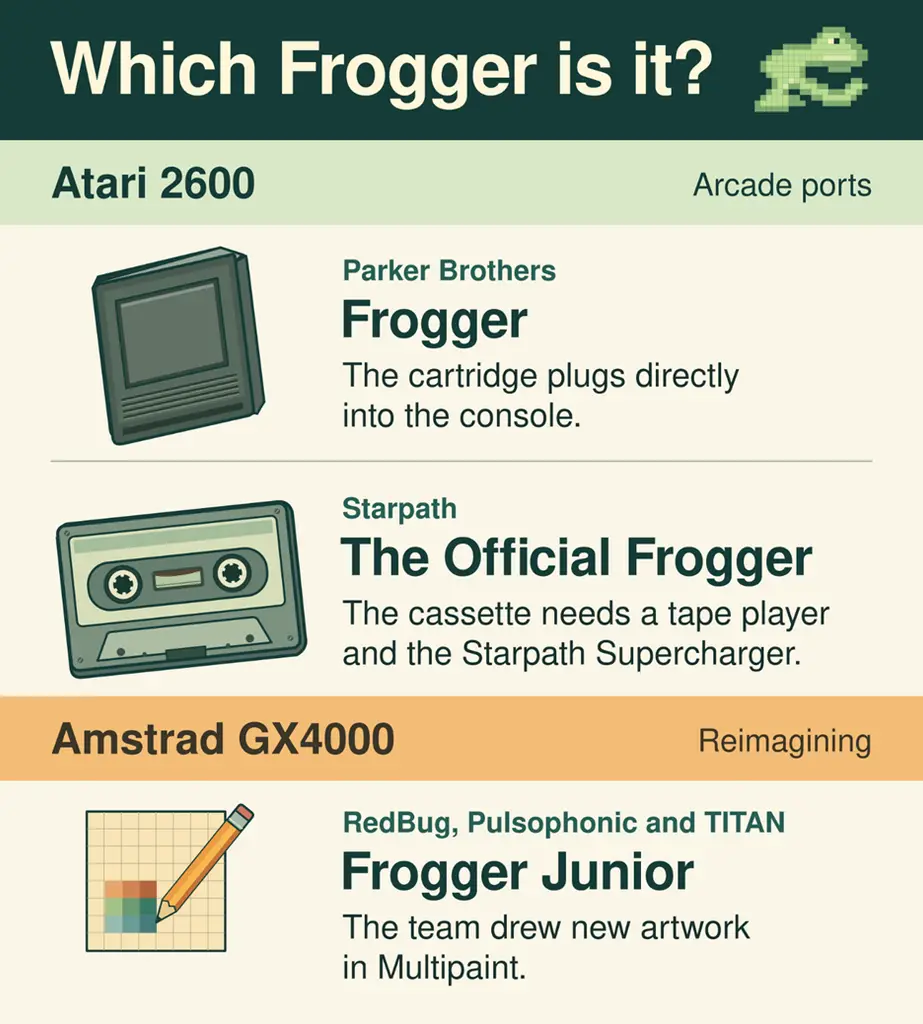
If you’re trying to work out which version of Frogger is being referred to, even a seemingly very specific phrase such as “Frogger on the Atari 2600” can leave multiple possibilities. Parker Brothers put Konami’s 1981 arcade game on a cartridge in 1982. Starpath released its version on cassette for a 2600 accessory called the Supercharger. Both are ports, versions of the arcade game adapted to run on a home console. How you loaded the game tells you which edition you played.
PixelatedArcade’s review of the Starpath edition goes into more detail about what made the game such a classic. The timeless gameplay has inspired many others in the crossing game genre.
What the crossing tells you about the game
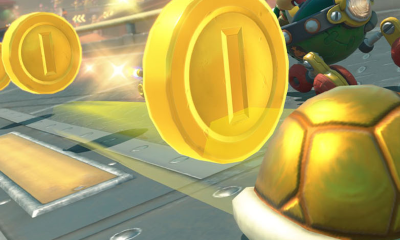
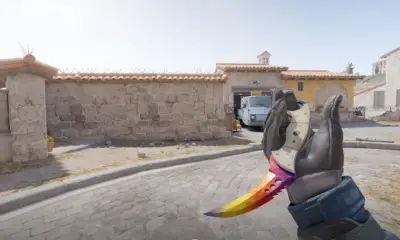
Thunder Chicken is a chicken cross the road game with a starting point called Site B. This casino original sets the crossing on a Counter-Strike map, with Site A at the far end of a path marked with coins. The markers double as controls. A nearer coin sets a shorter move, and one farther down the path sets a longer attempt. The route is laid out in advance, with a visible destination for each move.
This kind of game recaptures the magic that has made Frogger stand out for decades, while updating it for a modern audience and adding a reference to another highly popular game: Counter-Strike, which has itself stood up to many years of play, evolving and changing to suit altering interests. It’s fascinating to see how Frogger has inspired modern titles, and how many different ways game developers have come up with to explore its simple motions. Thunder Chicken is just one iteration, but has proven very popular for the same reasons that the classic frog-based title was loved.
In Frogger, home is visible too, but picking a route there is part of the game. On the highway, the frog needs the gap between two vehicles. On the river, the frog needs something solid to land on. The same sideways motion that puts a car in the frog’s way brings a floating log within reach. That switch halfway across the screen is part of what made Frogger stand out.
Two Atari 2600 editions, two ways to load the game
Both Atari conversions preserve that trip from road to water. The Parker Brothers cartridge plugs into the console. Starpath’s The Official Frogger came on a tape that needed a cassette player and the Supercharger to load. The tape held the game, and the Supercharger supplied extra working memory. A Supercharger entry in a catalog refers to the software that depended on that setup.
The word Official has a history of its own. Starpath used the same title and cover illustration as Sierra On-Line’s computer releases. That explains how the familiar frog and tire can appear on boxes for different machines. It gives the small print beneath the picture a precise job. The Official Frogger identifies the title, and Supercharger picks out the Atari release.
One detail Starpath carried over from the original arcade game is easy to miss in a short clip. Several background tunes cycle during play, so the music changes as the frogs make their crossings. PixelatedArcade’s reviewer also singles out the smooth animation and the detail in the figures. The arcade game’s diving turtles return, so a patch of shell that looks like a good landing place can disappear beneath the water. A few frames of a turtle beginning to submerge can tell a player it’s time to move.
One unusual option belongs to both Atari versions. With wraparound turned on, a frog leaving one side of the screen reappears on the other. That changes what happens at the edge of the river when a floating log carries the frog sideways. Remembering that trip from one edge to the other narrows things down less than remembering the cassette player.
What Frogger Junior rebuilt for the GX4000
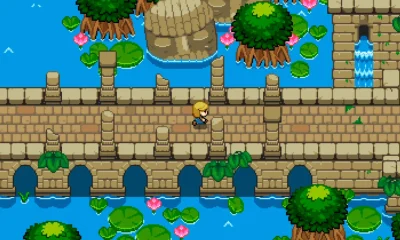
Decades later, RedBug, Pulsophonic, and TITAN returned to that road and river for Frogger Junior. In September 2026, Indie Retro News covered the GX4000 reimagining and identified a ZX Spectrum Next edition as well. The team drew the layouts in Multipaint, a pixel art tool. They also gave the frog a reason to keep making the journey. There are five houses to claim on the opposite shore.
The five destinations will look familiar to arcade players. Junior makes them part of the frog’s story while keeping the rule that makes the last crossing different from the first. The first frog has its pick of five vacant homes. Once a frog moves in, that house is closed to the next arrival. By the fifth successful trip, there’s exactly one spot on the bank that will count. Filling it sends the game into a harder round.
Getting the frog home was the point of the arcade game all along. Junior takes that idea literally and puts a highway, a river full of drifting logs, and crocodiles between the frog and its next front door. RedBug, Pulsophonic, and TITAN built their own game around the familiar crossing.
What to look for in a game listing
There are various versions of Frogger available online. An emulator lets a modern computer run software written for an older machine. The browser supplies a way to play. The category identifies the arcade machine whose software is running. The Atari label points to a conversion made specifically for that console.
For Frogger Junior, start with the full title. The GX4000 and ZX Spectrum Next entries refer to editions of that later game with its newly drawn shoreline houses. For the two 2600 games, start with the format. The label can settle what the picture on the box leaves open. Parker Brothers is the cartridge. Starpath’s The Official Frogger is the one that came on tape.