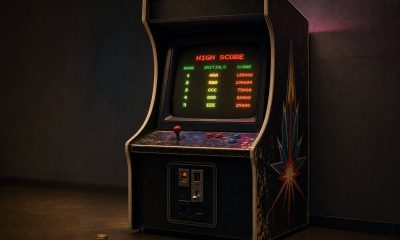
I’ll never forget the first time I saw a “Winner Stays On” sign taped to a cabinet in a smoke-filled arcade. There was an unspoken intensity in the air—a mix of mechanical clicks, flashing lights, and the heavy weight of a single coin on the glass. That quarter wasn’t just currency; it was your ticket to local fame or a walk of shame to the back of the line.
The industry has moved far beyond those wood-paneled boxes, but that thirst for a genuine challenge hasn’t faded. Whether you’re grinding for a world record on this site or exploring the latest digital venues covered by the Metrotimes, the shift from physical cabinets to fluid, high-stakes digital environments is the most significant leap in gaming history.
The Death of the Loading Screen
If you grew up with cartridges, you remember the “blow on it and pray” ritual. Today, we live in a world of instant gratification. Modern infrastructure has eliminated the friction that used to kill the momentum of a good session.
The Speed Test Experience
I wanted to see how much “downtime” actually exists in a modern competitive session compared to the 90s.
- Arcade (1995): Five-minute walk to the machine, three-minute wait for the current player to finish, thirty seconds to faff with coins.
- Digital (2026): I clicked “Join” at 7:00:00 PM. By 7:00:08 PM, the interface had loaded, my deposit was confirmed, and I was in the lobby.
- The Result: Eight seconds. In the time it used to take to find a spare quarter, I had already completed two rounds.
This level of efficiency is why the “quick session” has become the dominant way to play. We want the rush, and we want it now.
Comparing the Playstyles: Then vs. Now
The technical limitations of early consoles meant that developers had to rely on “pixel-perfect” difficulty to extend the life of a game. Today, the challenge comes from the platform’s versatility and the speed of the transaction.
| Feature | The Classic Era | The Modern Standard |
| Accessibility | Location-dependent (Arcades/Home) | Universal (Mobile/Browser/Cloud) |
| Stakes | A single quarter/pride | Real-time digital rewards |
| Pace | Fixed by hardware clock | Dynamic and user-controlled |
| Social | The person standing next to you | Global leaderboards and communities |
The Expert Reality Check: Why the “Old Ways” Still Matter
Let’s be honest: while modern platforms are sleek, they often lack the “soul” of a physical joystick. However, as I found during my recent deep dive into emerging gaming regulations, the industry is currently undergoing a massive correction.
Developers are finally realizing that high-end graphics don’t matter if the core “loop” isn’t engaging. This is where the modern sector is taking notes from the past—keeping the rules simple, the stakes transparent, and the payouts fast. According to data from the Entertainment Software Association, players are increasingly gravitating toward platforms that offer a “pure” experience without the bloat of modern AAA titles.
The Final Verdict
The medium has changed, but the mission is the same. We aren’t just looking to kill time; we’re looking for that specific spark that happens when skill meets opportunity. The transition from the arcade floor to the palm of your hand has made the “high-stakes” experience more democratic than ever.
The Verdict: “Whether it’s a 16-bit platformer or a modern digital lounge, the best experiences are the ones that get out of the way and let the player play. The future belongs to the platforms that combine nostalgic simplicity with 2026 speed.”Gambling involves risk. Please play responsibly and only wager what you can afford to lose. If you feel gambling is becoming a problem, visit BeGambleAware.org or call 1-800-GAMBLER.

- Game Boy Advance Nostalgia Meets Mobile Play: What Handheld Gaming Taught Us About Playing on the Go
- What the 90s Did For Gaming – A Revolutionary Era
- Why Retro Games Feel Right at Home in a Browser
- From Retro Slots to Browser Games: Why Simple Reward Loops Last
- The worst American football-themed video games ever made
- The Card Games That Taught Computers to Play
- When the Arcade Cabinet Was Part of the Game
- Bonus Stages in Modern Slots Have More in Common With Arcade Games Than You Think
- Hidden Chance Games Inside Classic SNES Titles
- Five Games for When You Just Want to Play
- The Real Market Behind Virtual Retro Goods
- How Clear Navigation Enhances Player Exploration in Digital Casinos
- Why Hardware Limits Made Retro Games Better Designed
- The Impact Of Retro Gaming On Adjacent Entertainment Sectors
- How Pixel Art Became Cool Again
- They All Started With Retro Games But Left the Biggest Impact in Esports
- The Coin-Collecting Thrill of Super Mario World
- How Mario Kart’s Item Box Won Players Over
- When Retro Games Hid Tiny Slot Machines
- Retro Gamers Keep Reviving Classic PlayStation Titles Through Browser Emulation
- Why Fast-Start Design Still Wins in Retro Gaming
- How Old-School Basketball Games Built a New Generation of Fans
- Pokemon Cloud White’s Wild Grass Surprises
- How 80s Arcade Design Powers Modern Games
- How Fearless Draft Is Reshaping Professional League of Legends
- How Super Mario RPG’s Timed Hits Shine
- How to optimize your browser for lag-free retro gaming in 2026
- The Technical Magic Behind Retro Gaming’s Most Massive Worlds
- How Gold Slot Themes Add Familiar Casino Style
- What Actually Happens on the Convention Floor Wi-Fi at a Retro Gaming Expo
- Why Hidden Unlockables Made Games More Memorable
- The Death of Cheat Codes and What Replaced Them
- Why Retro-Themed Slot Games Are Thriving in Ontario’s Licensed iGaming Market
- The Best Retro-Themed Online Slot Games Available Today
- How Arcade Classics Shaped the Design of Modern Online Slot Games
- Why Retro Games Still Read Better at a Glance
- The gaming market is booming and it’s bigger than you think
- How Secret Pro Player Stats Reveal The Most Broken Meta Picks You Should Abuse Today
- High Score Culture and Friendly Competition in Classic Arcade Gaming
- Why Fruit Symbols Remain Common in Slot Themed Video Games
- Maine: Shaping US iGaming Further
- The Role of Player Opinions in Creating Long-Lasting Games
- Gamification is changing online casinos and online games in a big way
- Red Is the New Gold: How Covert Skins Became the New Core of the CS2 Economy
- Why classic fruit symbols and lucky sevens outlived the hardware of early physical machines
- From Arcade Tokens to Digital Coins: How Coin-Op Gaming Grew Up
- Why Pokemon Cloud White’s Random Encounters Feel So Thrilling
- How Pokemon ROM Hacks Like Cloud White Built Their Appeal on Pure Randomness
- How Pokemon Cloud White and GBA Fan-ROMs Brought Luck-Based Minigames Back to Retro Play
- The Hidden Game Corners of Pokemon, Super Mario RPG, and Final Fantasy