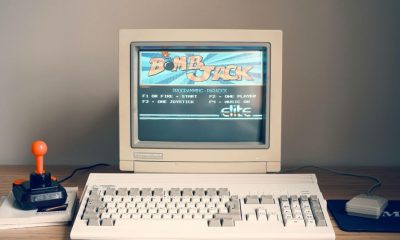
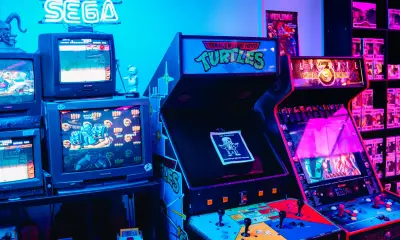
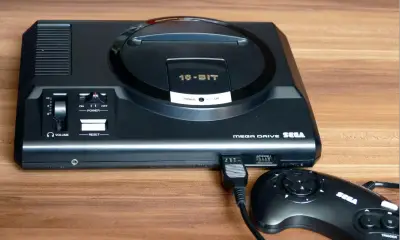
Some games survive every hardware generation because they never ask much from you. A few seconds is enough to understand the rules, get a result and want another go. That old-school appeal still works in a browser, where retro design meets instant access without losing its original charm today.

Retro games were often brutally simple. You pressed a button, moved a paddle or spun a reel, then found out almost immediately whether it worked. That basic loop still turns up everywhere in gaming because it is easy to understand and gives you a result fast. Modern browser games have changed the hardware, but the appeal of simple action followed by instant feedback has stuck around.
The First Games Had to Explain Themselves Fast
The earliest video games could not rely on players already knowing the rules. Ralph Baer began work on television-based game prototypes in the 1960s, and by 1967 his team had built TV Game Unit #1, an early step toward home video gaming. The hardware was new, so the games had to make sense quickly once the screen lit up.
That is still a useful design lesson. Early players did not sit through long tutorials before touching a controller. The objective had to be obvious enough to understand from what happened on screen, and the reward came from seeing the result of your input straight away. That direct relationship between action and result became one of gaming’s strongest basic ideas, and it still works when the technology around it is completely different.
Pong Proved Simplicity Could Keep People Coming Back
Pong pushed that idea into the mainstream in 1972. The game gave you two paddles, one ball and a score, and the prototype installed at Andy Capp’s Tavern became so popular that its coin box overflowed. Atari soon had tens of thousands of machines in restaurants and bars across the United States.
The home version arrived in 1975 and sold hundreds of thousands of copies. There was very little to learn, but every point produced a clear result and another immediate chance to play. That loop was enough.
Classic Slot Design Keeps the Same Loop Alive
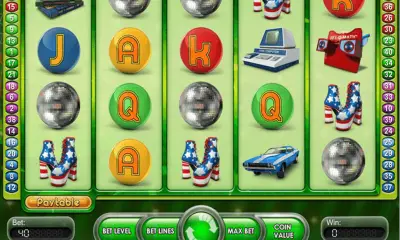
The availability of classic slots online brings that old-school reward loop into the browser, with three reels, familiar symbols and quick results keeping the experience close to the simple fruit-machine format that made the original games so easy to understand.
That stripped-back format works because very little gets between the player and the result. Three reels stop, the symbols line up, and the outcome is clear. The classic setup uses fruit-machine imagery such as cherries and BAR symbols, with lucky 7s also appearing, while one or a small number of paylines keeps the screen easy to read.
The browser changes the delivery without changing the basic idea. There is no software download, and play is free. Individual spins finish within seconds, so the game keeps the same quick rhythm instead of adding long animations or layers of bonus features. The presentation can look retro, but the access is completely modern.
Retro Appeal Has Reached a New Generation
Retro gaming is not surviving only because older players remember the original machines. A 2025 study of 302 Gen Z participants looked at nostalgic gaming and their willingness to use emulator applications, showing that young adult players are also actively engaging with older game formats.
That gives retro design a second life. Someone who never stood in front of a Pong cabinet can still understand the appeal of a game that starts quickly and gives clear feedback. The hardware may belong to another era, but the rules do not need a history lesson. Simple games work because the player can understand them almost at once, then decide whether to go again.
Browser Play Removes the Friction Around Simple Games
Browser gaming suits these old ideas because access is immediate. A player no longer needs a cabinet or a cartridge before getting into the action. Open the page, start the game, and the basic loop is already there.
That ease of access works especially well with short-session games. Three reels or a simple arcade challenge do not need a long setup, and the browser keeps that same lack of ceremony. The technology is newer, but it supports the same kind of play that made early arcade games easy to pick up in the first place.
Some Game Ideas Never Needed Reinvention
Gaming hardware has changed completely since Baer’s prototypes and Pong, yet the strongest simple loops are still easy to recognise. Press something, get a result, then decide whether to go again. That is enough to keep a game moving.
Browser technology has given those mechanics a new home, but it has not changed their basic appeal. Clear rules and quick feedback still work because players understand them immediately, which is exactly why old ideas can survive long after the machines that introduced them have disappeared.