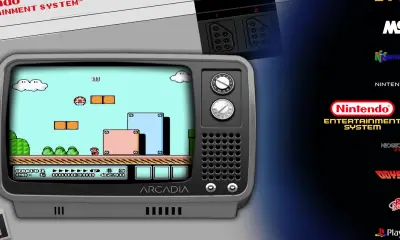
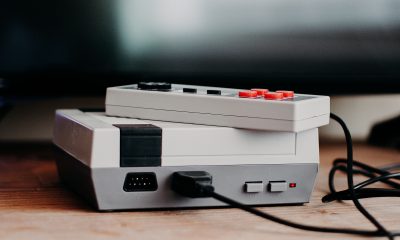
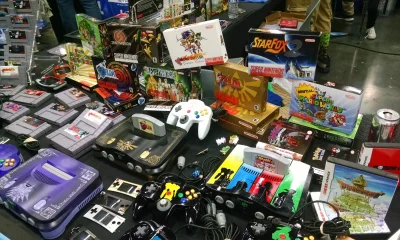
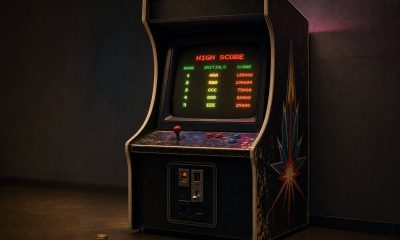
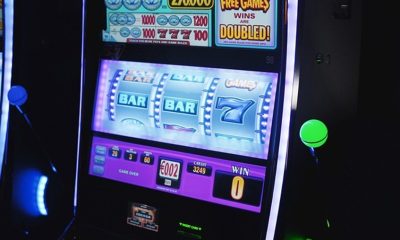
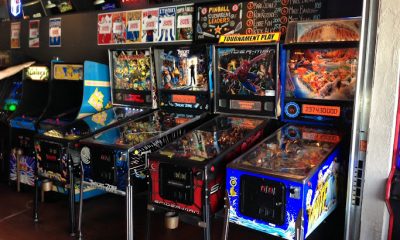
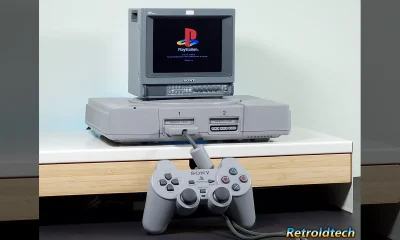
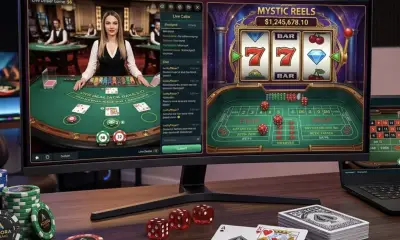
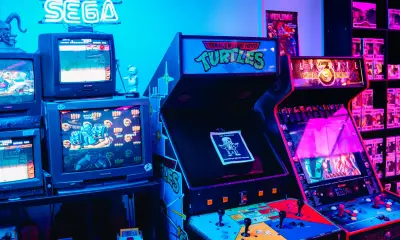
A retro slot is easy to recognise before it is easy to describe. Fruit symbols, blocky lettering, bright reels and short sound cues do a lot of work before anyone reads the game rules.
Old arcade games had to work quickly. A player standing in front of a cabinet needed to understand the screen almost at once: what to press, what counted as progress and why the machine had made that sound. Early console games had the same discipline. Limited screens and simple controls left little room for confusion.
In Ontario’s licensed iGaming market, that old habit has a new job. Digital casino lobbies are crowded. Games sit beside one another in rows, competing first as thumbnails rather than full experiences. A retro-themed slot resembling a classic Gameboy title has an advantage there because it looks readable before it looks new.
The Old Arcade Shorthand Still Works
A good retro slot borrows more from old game design than people may notice. It is not only the pixel art or the fruit symbols. It is the way the game tells the eye where to go.
Classic arcade games were built around fast recognition. A ghost, a spaceship, a ladder, a flashing score. The player did not need a tutorial page to know something had happened. Colour, movement and sound carried the message.
Retro-themed slots use a similar shorthand. A cherry, bell or seven is easy to recognise; pixel-style lettering gives the screen a clear identity. A short jingle after a result gives feedback without needing much explanation. The loop is brief: press, spin, react, reset.
That simplicity has little to do with age. Some players remember actual arcade cabinets or early handheld systems. Others know the style through remakes, mobile games, retro collections and pixel-art indies. The look has become detached from one generation. It now works as a shared gaming language.
The mildly strange thing is that a design born from technical limits now helps solve a problem of excess. Old games were simple because they had to be. Modern lobbies are full because they can be. Retro design cuts through that abundance by refusing to explain too much.
Ontario Gives Familiar Design More to Compete With
Ontario is where that old visual language has a lot around it. In 2024–25, iGaming Ontario reported more than $82.7 billion in regulated wagers and $2.9 billion in gaming revenue. Casino made up the largest share of activity, with $69.6 billion in wagers and $2.4 billion in revenue.
Those numbers do not mean every player is looking for retro themes. They do make the scale clear. When casino games account for so much of the licensed market, a slot does not only compete through mechanics or volatility. It competes through whether someone can understand its mood in the few seconds before scrolling on.
Retro works because it is legible. The player can tell quickly whether the game is going for arcade, fruit machine, neon diner, old console or 1980s cabinet energy. That quick read matters in a marketplace where attention is spent before money is.
Nostalgia Gets Too Much of the Credit
Nostalgia is the easy explanation. It is not the only one.
Retro games also offer a kind of order. The screen looks contained. The symbols feel familiar. The feedback arrives quickly. There is less visual clutter to decode.
That does not make the games better or worse than modern cinematic slots. It makes them different in a way that suits certain browsing habits. A player moving through a digital lobby may not want a story world every time. Sometimes a clean loop and familiar symbols are enough to make the game understandable.
Video-game literacy is hardly niche now. The Entertainment Software Association’s 2026 report put weekly U.S. video-game players at 212.3 million. That figure is not about Ontario specifically, but it helps explain why old visual cues still travel so easily. People recognise menus, loops, rewards, avatars, sound cues and retro references even if they came to them through very different platforms.
That is why a retro slot can feel familiar without being a direct memory. It may remind one player of an arcade cabinet and another of a phone game designed to look like one.
The Game May Look Old, But the Account Does Not
The market around the games is more modern than the artwork suggests. Licensed operators, account checks, payment options and withdrawal terms all sit behind the retro surface.
Casino.org’s Ontario guide to top Ontario gaming sites places operator details, payment information and account terms side by side, which helps readers look at the licensed market around the games rather than one retro theme alone. Casino.org is a gambling information and review resource, so it is cited here for Ontario market context rather than endorsement.
That context matters because retro design can make a game feel simple, but the licensed market around it is not simple at all. A slot may borrow from old arcade logic on the screen while sitting inside a regulated digital account system with modern payment rails and verification rules.
The retro look may be old, but its job in an Ontario lobby is very current: help a game make sense before the player scrolls past.

- What No One Tells You About Retro Games as Stress Relief
- Does Gaming Identity Now Show Up More Through Fandom and Social Spaces?
- Game Boy Advance Nostalgia Meets Mobile Play: What Handheld Gaming Taught Us About Playing on the Go
- What the 90s Did For Gaming – A Revolutionary Era
- Why Retro Games Feel Right at Home in a Browser
- From Retro Slots to Browser Games: Why Simple Reward Loops Last
- The worst American football-themed video games ever made
- The Card Games That Taught Computers to Play
- When the Arcade Cabinet Was Part of the Game
- Bonus Stages in Modern Slots Have More in Common With Arcade Games Than You Think
- Hidden Chance Games Inside Classic SNES Titles
- Five Games for When You Just Want to Play
- The Real Market Behind Virtual Retro Goods
- How Clear Navigation Enhances Player Exploration in Digital Casinos
- Why Hardware Limits Made Retro Games Better Designed
- The Impact Of Retro Gaming On Adjacent Entertainment Sectors
- How Pixel Art Became Cool Again
- They All Started With Retro Games But Left the Biggest Impact in Esports
- The Coin-Collecting Thrill of Super Mario World
- How Mario Kart’s Item Box Won Players Over
- When Retro Games Hid Tiny Slot Machines
- Retro Gamers Keep Reviving Classic PlayStation Titles Through Browser Emulation
- Why Fast-Start Design Still Wins in Retro Gaming
- How Old-School Basketball Games Built a New Generation of Fans
- Pokemon Cloud White’s Wild Grass Surprises
- How 80s Arcade Design Powers Modern Games
- How Fearless Draft Is Reshaping Professional League of Legends
- How Super Mario RPG’s Timed Hits Shine
- How to optimize your browser for lag-free retro gaming in 2026
- The Technical Magic Behind Retro Gaming’s Most Massive Worlds
- How Gold Slot Themes Add Familiar Casino Style
- What Actually Happens on the Convention Floor Wi-Fi at a Retro Gaming Expo
- Why Hidden Unlockables Made Games More Memorable
- The Death of Cheat Codes and What Replaced Them
- Why Retro-Themed Slot Games Are Thriving in Ontario’s Licensed iGaming Market
- The Best Retro-Themed Online Slot Games Available Today
- How Arcade Classics Shaped the Design of Modern Online Slot Games
- Why Retro Games Still Read Better at a Glance
- The gaming market is booming and it’s bigger than you think
- How Secret Pro Player Stats Reveal The Most Broken Meta Picks You Should Abuse Today
- High Score Culture and Friendly Competition in Classic Arcade Gaming
- Why Fruit Symbols Remain Common in Slot Themed Video Games
- Maine: Shaping US iGaming Further
- The Role of Player Opinions in Creating Long-Lasting Games
- Gamification is changing online casinos and online games in a big way
- Red Is the New Gold: How Covert Skins Became the New Core of the CS2 Economy
- Why classic fruit symbols and lucky sevens outlived the hardware of early physical machines
- From Arcade Tokens to Digital Coins: How Coin-Op Gaming Grew Up
- Why Pokemon Cloud White’s Random Encounters Feel So Thrilling
- How Pokemon ROM Hacks Like Cloud White Built Their Appeal on Pure Randomness