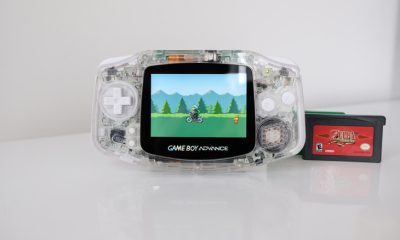
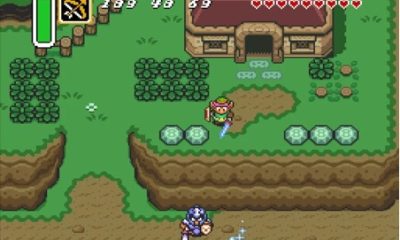
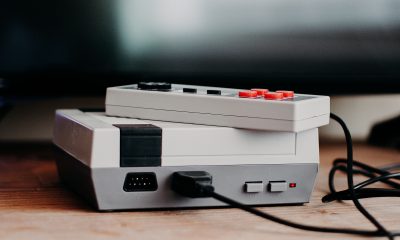
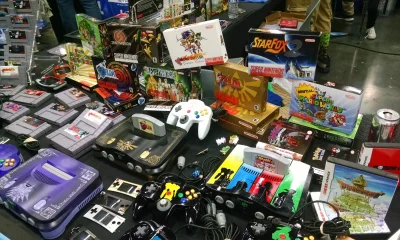
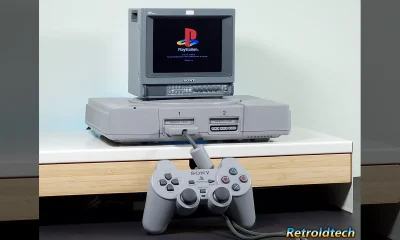
Ever notice how many beloved Game Boy and Super Nintendo classics tucked a little casino floor into the corner of the map? A player could be deep in a sprawling adventure, saving the world one dungeon at a time, and then stumble into a room full of blinking reels and spinning fruit symbols. Those pixelated slot minigames were never the main event, yet they became some of the most fondly remembered corners of the whole cartridge. They offered a jolt of pure chance in the middle of otherwise carefully scripted quests, and that jolt is exactly what keeps people coming back to games decades later.
That same craving for a quick roll of the dice has since grown far beyond the cartridge. The appetite for luck-based fun that those old minigames sparked now feeds an entire world of digital wagering, and much of it runs on cryptocurrency. Anyone curious about how that scene has taken shape can browse the Official bitcoingamblingsites.com site, which reviews and lists cryptocurrency-based casinos so readers can compare where Bitcoin-friendly play actually happens. For a retro fan who first felt the thrill inside a Game Boy game corner, it’s a natural window into how that same chance-and-reward feeling has moved into modern online entertainment built around digital coins.
The Game Corners That Stole the Show
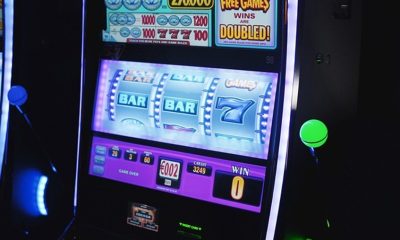
The most famous example lives inside the original Pokemon titles for the Game Boy. Tucked into Celadon City sat the Game Corner, a smoky-looking room packed with slot machines where trainers traded coins for the chance to line up sevens and cherries. Kids and adults alike spent absurd stretches of time pulling that virtual lever, chasing enough coins to snag a rare Dratini or a powerful TM. The math behind it was never generous, but that hardly mattered. The rush came from watching the reels tumble and hoping the third symbol landed just right.
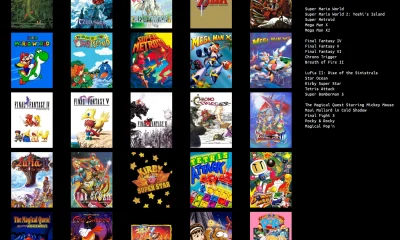
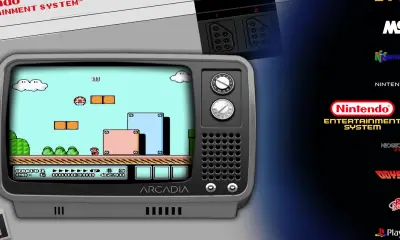
Super Mario RPG: Legend of the Seven Stars ran with the same idea, sprinkling minigames and chance-driven moments throughout its charming world. Even the mainline Mario platformers leaned on luck, ending levels with a spinning roulette of images that could hand a player extra lives if the timing worked out. These weren’t afterthoughts. They were designed to break the rhythm of skill-based play with a moment where nobody, not even the most seasoned gamer, could control the outcome.
Why Randomness Felt So Good
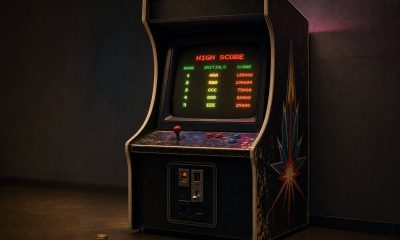
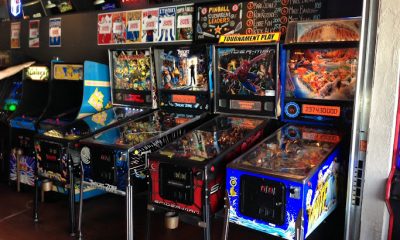
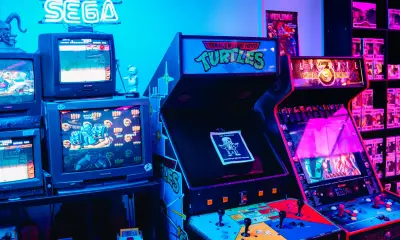
There’s a reason developers kept slipping these features into otherwise serious adventures. A game built entirely on skill can start to feel like work. Randomness resets the tension and hands everyone the same odds for a few glorious seconds. That unpredictability is the beating heart of the classic Arcade game experience, where a single credit could end in triumph or disaster, and the not-knowing was the entire point.
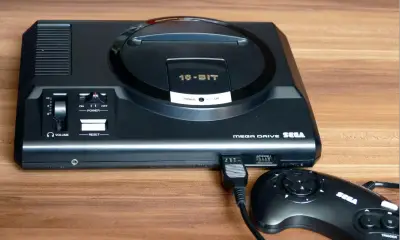
The Super Nintendo era doubled down on this with party collections and minigame packs that mixed reflex challenges with pure gambles. Board-game-style titles let players roll for movement, draw random cards, and spin wheels that could flip a whole match in a heartbeat. A friend who was losing all evening could suddenly leap into first place on a lucky spin, and the resulting groans and cheers were half the fun. That emotional swing, engineered right into the software, taught a generation to love the gamble even when nothing real was on the line.
From Cartridge Coins to Real Digital Ones
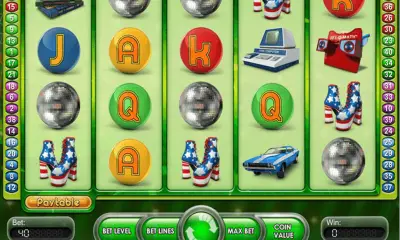
What’s fascinating is how neatly this old design instinct maps onto today’s entertainment. The slot minigames in those retro classics were essentially training wheels for the same psychology that fuels grown-up games of chance. The colorful symbols, the escalating anticipation, the little celebration when things line up: it’s all there in miniature. Researchers have long studied why people gravitate toward these machines, and one older study on the demographics of arcade players found that the pull cuts across many walks of life, not just one narrow group.
The jump from a Game Boy’s fake coins to actual currency was almost inevitable. As internet connections improved and digital money matured, the same luck-based loop that lived in Celadon City moved onto phones and laptops, now backed by real value. Bitcoin and other cryptocurrencies slotted into this world neatly, letting people wager and cash out using the same digital coins they might otherwise hold as investments. The spinning reels look sharper now, but the feeling driving the whole thing hasn’t changed a bit since the eight-bit days.
The Nostalgia Thread That Ties It Together
Plenty of adults who grew up feeding coins into a virtual slot machine in a Pokemon Game Corner now recognize that exact sensation when they load up a modern crypto casino. The interface is more polished, the stakes are genuine, and the coins are worth something outside the game. Yet the core experience: pick a bet, watch it play out, feel that flicker of hope, is a straight line back to those cartridge minigames.
Retro gaming and modern digital wagering aren’t as far apart as they might seem. Both are built on the same simple, ancient appeal of not knowing what comes next and enjoying the ride anyway. The Game Boy and Super Nintendo just happened to bottle that appeal in a form that a whole generation carried into adulthood. So the next time someone fires up an old classic and wanders into a hidden slot room, it’s worth appreciating that those blinking reels weren’t a distraction from the game. They were a preview of an entire form of entertainment still spinning strong today.

- Game Boy Advance Nostalgia Meets Mobile Play: What Handheld Gaming Taught Us About Playing on the Go
- What the 90s Did For Gaming – A Revolutionary Era
- Why Retro Games Feel Right at Home in a Browser
- From Retro Slots to Browser Games: Why Simple Reward Loops Last
- The worst American football-themed video games ever made
- The Card Games That Taught Computers to Play
- When the Arcade Cabinet Was Part of the Game
- Bonus Stages in Modern Slots Have More in Common With Arcade Games Than You Think
- Hidden Chance Games Inside Classic SNES Titles
- Five Games for When You Just Want to Play
- The Real Market Behind Virtual Retro Goods
- How Clear Navigation Enhances Player Exploration in Digital Casinos
- Why Hardware Limits Made Retro Games Better Designed
- The Impact Of Retro Gaming On Adjacent Entertainment Sectors
- How Pixel Art Became Cool Again
- They All Started With Retro Games But Left the Biggest Impact in Esports
- The Coin-Collecting Thrill of Super Mario World
- How Mario Kart’s Item Box Won Players Over
- When Retro Games Hid Tiny Slot Machines
- Retro Gamers Keep Reviving Classic PlayStation Titles Through Browser Emulation
- Why Fast-Start Design Still Wins in Retro Gaming
- How Old-School Basketball Games Built a New Generation of Fans
- Pokemon Cloud White’s Wild Grass Surprises
- How 80s Arcade Design Powers Modern Games
- How Fearless Draft Is Reshaping Professional League of Legends
- How Super Mario RPG’s Timed Hits Shine
- How to optimize your browser for lag-free retro gaming in 2026
- The Technical Magic Behind Retro Gaming’s Most Massive Worlds
- How Gold Slot Themes Add Familiar Casino Style
- What Actually Happens on the Convention Floor Wi-Fi at a Retro Gaming Expo
- Why Hidden Unlockables Made Games More Memorable
- The Death of Cheat Codes and What Replaced Them
- Why Retro-Themed Slot Games Are Thriving in Ontario’s Licensed iGaming Market
- The Best Retro-Themed Online Slot Games Available Today
- How Arcade Classics Shaped the Design of Modern Online Slot Games
- Why Retro Games Still Read Better at a Glance
- The gaming market is booming and it’s bigger than you think
- How Secret Pro Player Stats Reveal The Most Broken Meta Picks You Should Abuse Today
- High Score Culture and Friendly Competition in Classic Arcade Gaming
- Why Fruit Symbols Remain Common in Slot Themed Video Games
- Maine: Shaping US iGaming Further
- The Role of Player Opinions in Creating Long-Lasting Games
- Gamification is changing online casinos and online games in a big way
- Red Is the New Gold: How Covert Skins Became the New Core of the CS2 Economy
- Why classic fruit symbols and lucky sevens outlived the hardware of early physical machines
- From Arcade Tokens to Digital Coins: How Coin-Op Gaming Grew Up
- Why Pokemon Cloud White’s Random Encounters Feel So Thrilling
- How Pokemon ROM Hacks Like Cloud White Built Their Appeal on Pure Randomness
- How Pokemon Cloud White and GBA Fan-ROMs Brought Luck-Based Minigames Back to Retro Play
- The Hidden Game Corners of Pokemon, Super Mario RPG, and Final Fantasy