An arcade game began selling itself before you even pressed start.
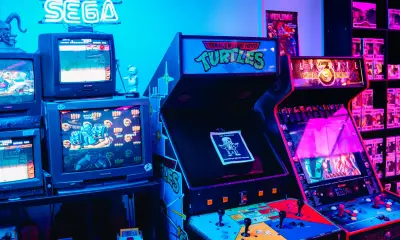
The cabinet showed you what kind of game was inside. Its artwork, screen, controls, and even coin slot helped set expectations before you touched the machine.
The cabinet was part of the experience. Its design and physical presence shaped what happened once someone stepped up to play. That side of gaming is easy to lose when you play the same classics through a browser or emulator.
The Cabinet Was the First Interface
A modern player can choose a game from a menu without ever seeing the hardware it was designed for.
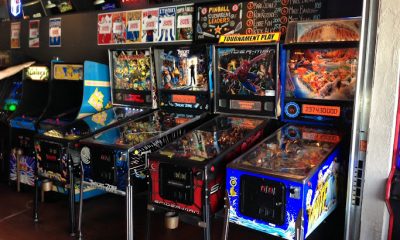
Walking up to an arcade machine was already part of choosing a game. The cabinet for Pac-Man, Street Fighter II, or Space Invaders had to sell the game before anyone put a coin in. Artwork showed off the characters and action, while the marquee made the title visible from across the room.
Even the control panel gave you an idea of what kind of game you were about to play, whether it had a joystick, buttons, a trackball, or something more unusual. The cabinet was doing some of the explaining before the game began.
Putting in a Coin Meant Something
The coin slot also created a small ritual that disappeared when games moved into the home. You approached the cabinet. You looked at the screen. You decided whether the game was worth playing. Then you put a coin in and pressed start. That decision gave the next few minutes a clear value.
Pong provides a useful example of how quickly this model took off. According to the Smithsonian, the first Pong machine installed in a Sunnyvale bar became so successful that its cashbox filled with quarters and jammed the machine.
The important point is not simply that arcade games made money. The payment was physically connected to the start of play.
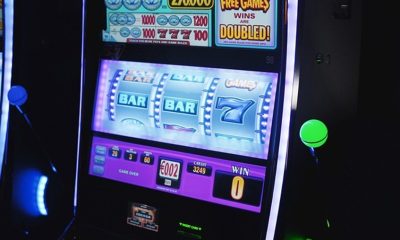
That makes the evolution of digital interfaces interesting. Today, online casino payment methods can be selected from menus, while Casino Banking Methods can cover everything from cards to digital wallets and other electronic options. The transaction has become almost invisible compared with putting a coin directly into a machine.
That convenience is useful, but it removes part of the old ritual. The arcade cabinet made the transition from watching to playing feel like an event.
The Controls Changed the Game
Arcade games also had a closer relationship between their mechanics and their physical controls. A joystick did not feel like a generic controller. A steering wheel suggested driving before the first corner appeared. A trackball encouraged a different kind of movement from a directional pad.
That connection could make the game easier to understand. Consider a title such as Missile Command. Its trackball gives the player a direct physical way to move the targeting cursor around the screen. Lunar Lander used a thrust control that matched the idea of controlling a spacecraft. The control was part of the fantasy.
Modern controllers are remarkably flexible, but that flexibility can also make many different games feel physically similar. An arcade cabinet could make the way you interacted with a game feel specific to that game.
The Arcade Was Part of the Game Too
The cabinet did not exist in isolation. Arcades were noisy, crowded spaces filled with competing screens, sounds, and players. A machine had to stand out among all of them. That changed how games were presented.
The attract screen could show gameplay while nobody was playing. Music and sound effects could carry across the room. High-score tables gave players something to chase before they had even started. Watching someone else play could teach you what the game was about.
A player standing behind someone at Donkey Kong could see the obstacles, the character’s movement and the basic objective. Someone watching Street Fighter II could see how different characters behaved before choosing one for themselves.
The arcade therefore acted as part showroom, part tutorial, and part social space.
High Scores Gave the Machine a Memory
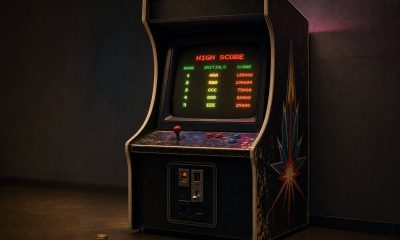
The high-score table added another layer. A home game could remember your progress in various ways, but an arcade cabinet could display the best players for everyone who walked past it.
Those initials on the screen gave the machine a history. You were not simply trying to finish a level. You were trying to leave evidence that you had played well.
Atari notes that the golden age of arcade gaming helped establish the culture of competing for leaderboard scores, something that remains closely associated with classic arcade play.
That system worked because the machine was public. Your score belonged to the space as much as it belonged to you.
Modern Gaming Removed Some of the Friction
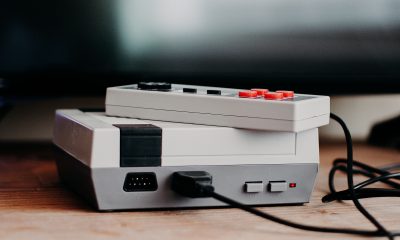
Moving games into homes and then onto computers removed many of these physical steps. That was mostly a good thing.
Players no longer needed to travel to an arcade, find an available machine, or carry coins. A game could be paused, saved, and played for much longer. Controllers could become standardized, making entire libraries easier to access.
Browser gaming pushed that convenience even further. But something changes when the physical layer disappears. The game becomes software first and an object second.
Why the Cabinet Still Matters
This is why playing a classic arcade game through a modern device can feel slightly different from playing it on the original machine. The software may be identical, but the context is not.
There is no cabinet competing for your attention. No physical control panel tells you how the game wants to be played. No coin slot marks the beginning of the session. No crowd watches the screen. No high-score table sits above the machine reminding you that someone else has already been there.
The original arcade experience was therefore larger than the game itself. The cabinet, controls, payment ritual, sound, surroundings, and other players all contributed something.
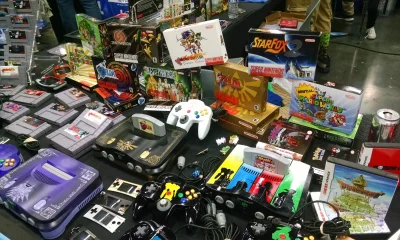
That is one reason retro gaming remains interesting decades later. Preserving the software preserves the game, but remembering the hardware helps explain how those games were originally meant to be experienced.
The arcade cabinet was never just a box around the screen. For many classic games, it was part of the game.

- The worst American football-themed video games ever made
- The Card Games That Taught Computers to Play
- When the Arcade Cabinet Was Part of the Game
- Bonus Stages in Modern Slots Have More in Common With Arcade Games Than You Think
- Hidden Chance Games Inside Classic SNES Titles
- Five Games for When You Just Want to Play
- The Real Market Behind Virtual Retro Goods
- How Clear Navigation Enhances Player Exploration in Digital Casinos
- Why Hardware Limits Made Retro Games Better Designed
- The Impact Of Retro Gaming On Adjacent Entertainment Sectors
- How Pixel Art Became Cool Again
- They All Started With Retro Games But Left the Biggest Impact in Esports
- The Coin-Collecting Thrill of Super Mario World
- How Mario Kart’s Item Box Won Players Over
- When Retro Games Hid Tiny Slot Machines
- Retro Gamers Keep Reviving Classic PlayStation Titles Through Browser Emulation
- Why Fast-Start Design Still Wins in Retro Gaming
- How Old-School Basketball Games Built a New Generation of Fans
- Pokemon Cloud White’s Wild Grass Surprises
- How 80s Arcade Design Powers Modern Games
- How Fearless Draft Is Reshaping Professional League of Legends
- How Super Mario RPG’s Timed Hits Shine
- How to optimize your browser for lag-free retro gaming in 2026
- The Technical Magic Behind Retro Gaming’s Most Massive Worlds
- How Gold Slot Themes Add Familiar Casino Style
- What Actually Happens on the Convention Floor Wi-Fi at a Retro Gaming Expo
- Why Hidden Unlockables Made Games More Memorable
- The Death of Cheat Codes and What Replaced Them
- Why Retro-Themed Slot Games Are Thriving in Ontario’s Licensed iGaming Market
- The Best Retro-Themed Online Slot Games Available Today
- How Arcade Classics Shaped the Design of Modern Online Slot Games
- Why Retro Games Still Read Better at a Glance
- The gaming market is booming and it’s bigger than you think
- How Secret Pro Player Stats Reveal The Most Broken Meta Picks You Should Abuse Today
- High Score Culture and Friendly Competition in Classic Arcade Gaming
- Why Fruit Symbols Remain Common in Slot Themed Video Games
- Maine: Shaping US iGaming Further
- The Role of Player Opinions in Creating Long-Lasting Games
- Gamification is changing online casinos and online games in a big way
- Red Is the New Gold: How Covert Skins Became the New Core of the CS2 Economy
- Why classic fruit symbols and lucky sevens outlived the hardware of early physical machines
- From Arcade Tokens to Digital Coins: How Coin-Op Gaming Grew Up
- Why Pokemon Cloud White’s Random Encounters Feel So Thrilling
- How Pokemon ROM Hacks Like Cloud White Built Their Appeal on Pure Randomness
- How Pokemon Cloud White and GBA Fan-ROMs Brought Luck-Based Minigames Back to Retro Play
- The Hidden Game Corners of Pokemon, Super Mario RPG, and Final Fantasy
- Why Players Still Love Retro Slots and Classic Symbols
- Arcade DNA: Why Simple Retro Game Loops Still Work Online
- What New Zealand’s online casino law means for payments, bonuses and account controls
- Canada’s Provincial iGaming Model Leaves Players Comparing Different Protection Rules