China has obviously played a pivotal role in the history of video games. While the country used to play second fiddle to Japan in terms of gaming output, it has become a powerhouse in its own right today, with somewhere in the region of 650 million players in the market.
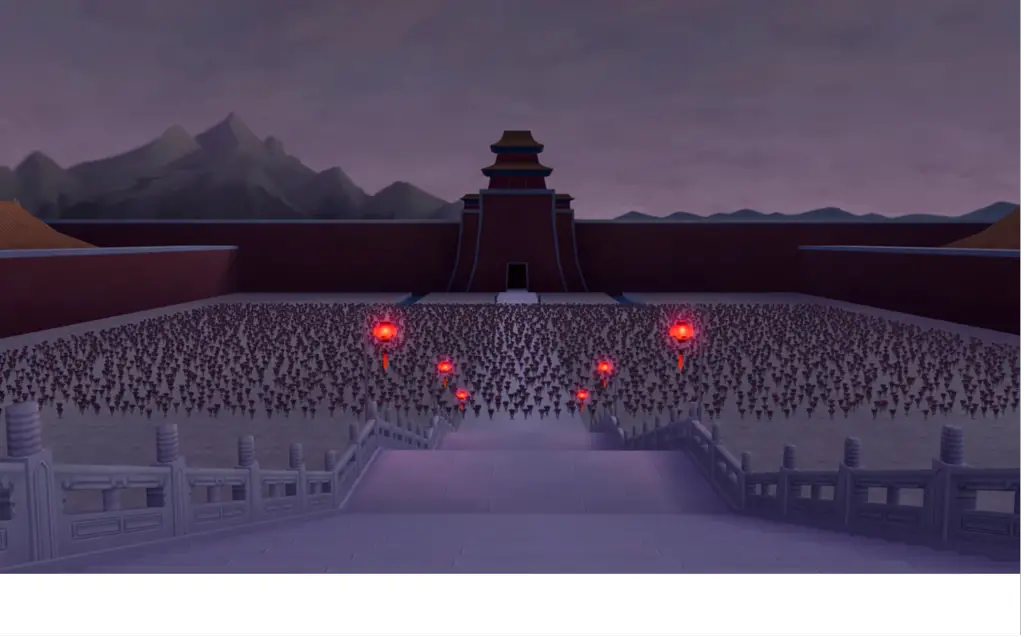
Of course, regardless of whether a game was created in China, Japan, the US, or elsewhere, Chinese-themed games have always been ubiquitous throughout gaming history. These themes are present in all types of modern games, ranging from Genshin Impact to popular Chinese-themed slots like Dragon Gold 88. Yet, there’s also no end of Chinese themes in retro classic.
Below, we have picked out some of the most influential. Games that have either inspired others in the genre or that have held up enough to be enjoyable today. These dozen are worth checking out:
Romance of the Three Kingdoms (1985)
The first in the iconic series from Koei, this game is set in the tumultuous period of China’s Three Kingdoms era (220–280 AD), which is a dominant theme on this list. Players assume the role of a province governor, managing resources, diplomacy, and military campaigns in a bid to unite the country. One of the most influential games of the 1980s.
The Legend of the Sword and Fairy (1995)
Also known as Chinese Paladin, this game is a milestone in Chinese RPGs, and it still holds up today. It blends mythology and romance as players follow the story of Li Xiaoyao, who embarks on a quest steeped in mystery. The game was massive in China in the mid-1990s.
Dynasty Warriors (1997)
A fighting game featuring many heroes from the Three Kingdoms era, this game is a mashup of Chinese and Japanese martial arts elements. Not universally beloved, the game is at least interesting among the output of developer Koei.
Bandit Kings of Ancient China (1989)
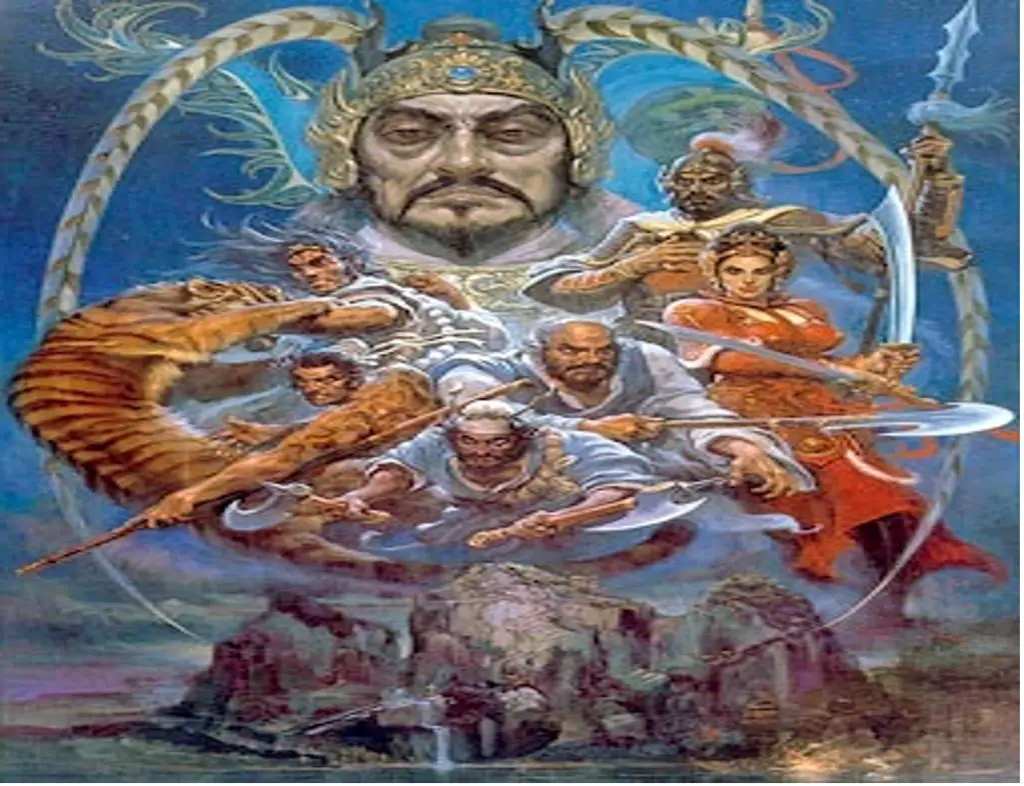
Loosely inspired by the Chinese novel Water Margin, the game revolves around assembling a team of bandits to defeat the corrupt Minister of War. The game was remade in 1996 for a Japanese audience. The original box art is a masterpiece in itself.
Shui Hu Feng Yun Zhuan (1996)
Another adaptation of the hugely influential Water Margin (it was actually released as “Water Margin” in some territories). Players choose from martial artist heroes to battle through hordes of enemies. It’s a really surprising game, although some have called it a little repetitive.
Legend of Wukong (1996)
A Sega Genesis title inspired, albeit very loosely, by Journey to the West, it follows a boy transported to ancient China who teams up with the Monkey King. It wasn’t a massive hit in the mid-1990s, but it got a new lease of life when released for Mac and Windows in the 2010s.
China Warrior (1987)
China Warrior is a little bit simplistic, even by the standards of the late 80s. Yet, it has an undeniable charm, and you can see some of the ambition from the developers, even if they did not fully pull it off. Some modern critics have panned it, but, for us, it’s worth checking out for some retro fun.
Three Kingdoms: Fate of the Dragon (2001)
A game based on the epic 14th-century novel Romance of the Three Kingdoms, players must choose to play as one of the warlords of Wei, Wu, or Shu. This is a ‘thinker’ of a game, demanding that you explore tactics, warfare, and resource management. Like Emperor: Rise of the Middle Kingdom (see below), its commitment to historical accuracy is impressive.
Heart of China (1991)
Anyone remember Jake Masters? Set in 1930s China, this adventure title follows Masters, a pilot turned treasure hunter, on a quest to rescue a kidnapped heiress. Heart of China got rave reviews on the Amiga when it was released in 1991. A classic.
Prince of Qin (2002)
Set during the fall of the Qin Dynasty, the game follows Fusu, the real-life crown prince of Qin, who suddenly receives an imperial decree from his father ordering him to commit suicide. From there, the action unfolds over 11 levels and various side-quests.
Emperor: Rise of the Middle Kingdom (2002)
There are some parallels with Caesar III on this one. This sim game lets players build and manage cities in ancient China. Its attention to detail when it comes to the historical elements of China’s Middle Kingdom suggests this was a labor of love for the developers.
Kung Fu Kid (1987)
They don’t make games like Kung Fu Kid anymore. This retro favorite on the Sega Master System allows players to control the central character, Wang, as he kicks, chops, and punches his way through Ancient Chinese kingdoms. It’s superbly paced and lots of fun.