Why Retro Games Still Captivate in the Age of Modern Play
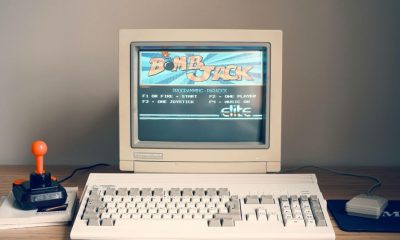
A strange thing happens whenever retro games appear at gaming events. People who grew up with the originals often stop first, but they are not the only ones gathering around the screens. Teenagers and younger players frequently join in, trying titles that were released long before they were born. The graphics are basic and the soundtracks minimal, yet the games still manage to hold attention.
That staying power is unusual in technology. Most digital tools age quickly. Software changes, hardware evolves and old formats fade away. Video games behave differently. A platformer from the early 1990s can still be picked up today and understood in seconds.
Part of the reason lies in how those games were originally built. Developers did not have the luxury of huge storage capacity or powerful processors. If a game was confusing or slow to start, players would simply move on. Mechanics had to work immediately.
The Kind of Design That Survives Decades
Consider how many classic titles begin. The screen appears, the character moves and the objective becomes clear almost instantly. There is rarely a lengthy introduction or complicated interface. Early arcade games relied on this approach because players were literally paying per attempt.
That pressure produced design habits that are still effective today:
- clear objectives from the first moment
- difficulty that grows through repetition
- gameplay built around timing and movement rather than menus
Many modern developers, especially smaller studios, have rediscovered how effective those ideas can be. Pixel-art platformers and arcade-inspired games appear regularly on digital storefronts, even though modern hardware is capable of far more complex visuals.
Retro-focused sites spend a lot of time exploring this connection between past and present. Features discussing the history of arcade mechanics or the revival of browser-based game libraries appear regularly across the retro gaming community, including in the editorial coverage on PlayRetroGames. The recurring theme is simple: older games were not just primitive versions of modern ones. They established many of the design patterns developers still rely on.
A Huge Industry With Room for the Past
Modern gaming operates on a completely different scale from the cartridge era. Major releases can involve development teams spread across several countries and budgets that rival large film productions.
Despite that transformation, older titles remain surprisingly visible. Industry analysts cited by PC Gamer estimate the global video game sector could generate roughly $197 billion in revenue in 2025, placing it among the largest entertainment markets worldwide.
That expansion has not pushed retro gaming aside. If anything, it has made the contrast clearer. Massive open-world games and competitive online titles dominate headlines, while classic games offer something more contained and immediate.
Nostalgia Plays a Role, But It Is Not the Whole Story
For players who grew up with early consoles, returning to those games can feel familiar in a way modern releases rarely do. The music, the colors and even the menu screens tend to trigger memories of particular moments.
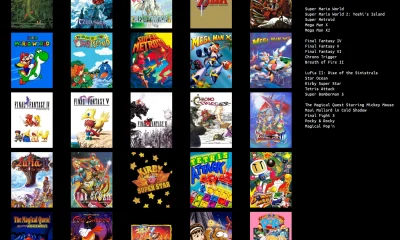
But the audience around retro games is not limited to people who remember the originals. Younger players are encountering these titles through browser libraries, streaming videos and mini consoles that bundle classic releases together. For many of them, the appeal has little to do with nostalgia. The games are simply different from what they usually play.
That curiosity has helped sustain a small but steady market around classic titles. Industry estimates suggest the retro gaming sector reached roughly $3.8 billion in 2025, supported by digital re-releases, collectible hardware and online libraries that make older games easier to access.
Digital Libraries of Gaming History
One of the reasons retro gaming has remained accessible is the way information about games is organized online. Many websites now function almost like archives, documenting titles, systems and the broader culture around them.
Different corners of gaming have developed similar reference platforms. Sites that focus on regulated gambling platforms, for example, catalogue games, payment methods and licensing frameworks so readers can understand how those systems operate. A resource like Casino.ca, which documents and compares online casino Canada platforms, serves that role within its own segment of digital gaming by explaining how those platforms are structured and what players typically encounter on them.
Although the focus is different from console gaming, the organizational idea is familiar. Both types of sites act as guides through large digital ecosystems.
Old Ideas Showing Up in New Games
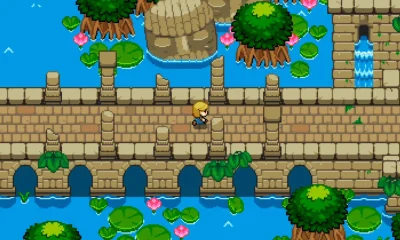
Look closely at modern indie releases and the influence of earlier systems becomes obvious. Pixel graphics are everywhere, but the influence goes beyond aesthetics.
Many contemporary games rely on the same fundamentals that shaped early console titles: tight controls, quick restarts after failure and gameplay loops designed around improvement through practice. Even newer titles like Zenless Zone Zero show how gameplay systems can evolve through ongoing updates that introduce new mechanics and characters while keeping the core experience intact.
These ideas work partly because they remove friction. Players do not need long tutorials or detailed instructions. The challenge reveals itself naturally.
Why Retro Games Keep Returning
Classic games have never truly disappeared because they were never dependent on technology alone. Their appeal lies in the interaction between player and mechanic.
Strip away the hardware limitations and the visual simplicity and what remains is gameplay that was carefully designed to be engaging from the start. That kind of design ages surprisingly well.
Modern gaming may continue to push technical boundaries, but the continued popularity of retro titles suggests something important. Sometimes the most enduring experiences come from the simplest ideas.