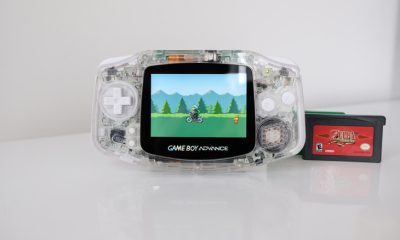
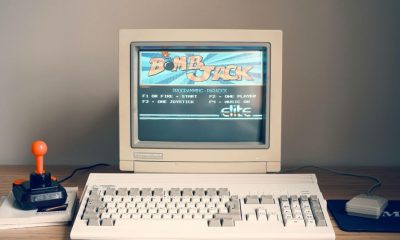
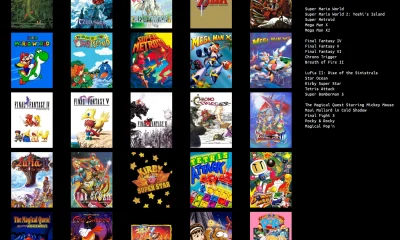
Anyone who spent time near a corner arcade in the 1980s remembers the sensory overload. Rows of glowing cabinets, the clatter of joysticks, the electronic chirp of Pac-Man dots vanishing one by one, and the mechanical thunk of a coin dropping into a slot. Those machines were engineered for one thing above all else: to make a short burst of play feel exciting enough that a person reached back into their pocket for another quarter. That design philosophy — quick sessions, instant feedback, a little jolt of chance — never really disappeared. It just moved. First into home consoles like the Sega Genesis and the NES, then into MAME and Game Boy emulation, and eventually onto the phone sitting in nearly everyone’s hand today.
That migration explains why so much of modern casual entertainment feels familiar to people who grew up on Atari 2600 cartridges and Sega hardware. One clear example is the world of mobile casinos, a category of real-money apps aimed at U.S. players that leans heavily on the same short-session, tap-and-react design that arcades perfected decades ago. Review sites now compare these apps the way enthusiasts once compared cabinets — weighing which ones run smoothly on a phone, which game libraries feel the deepest, and how their bonus offers and promotions stack up against one another. For someone deciding how to spend a spare fifteen minutes, that kind of side-by-side comparison serves the same purpose the arcade marquee once did: helping a person pick where the fun is before committing their time and attention.
The Slot Machine Was the Original Pick-Up-and-Play Game
Long before Space Invaders ever lit up a screen, the Slot machine had already cracked the code on instant, repeatable entertainment. Pull a lever, watch the reels spin, get a result in a couple of seconds. No manual, no learning curve, no long story to sit through. That simplicity is exactly what 1980s arcade designers borrowed when they built cabinets meant to hook a passerby in the first ten seconds.
Look closely at classic slot design and the DNA of arcade play is obvious. Bright colors, bold symbols, satisfying sound effects tied to every win, and a reward loop tight enough that a single round never feels like a chore. When Frogger or Dig Dug rewarded a small success with a chime and a flash, they were using the same psychological toolkit. The lesson stuck: keep the sessions short, keep the feedback loud, and keep the next attempt one tap away.
How Coin-Op Design Shaped an Entire Industry
The arcade boom was not an accident. It was a business built around squeezing maximum enjoyment out of a single coin, and that pressure produced some of the most refined game design ever made. The story of how those machines spread across malls, pizza joints, and bowling alleys is captured well in a history of the American arcade, which traces how coin-operated entertainment shaped the way people spent their free time.
For fans of MAME emulation, this history is more than a curiosity — it is the reason so many classic titles still hold up. Games like Galaga, Donkey Kong, and Street Fighter II were tuned to deliver a complete, satisfying experience in the span of a coffee break. That discipline is why they remain endlessly replayable on modern hardware. And it is the exact same discipline that governs a lot of today’s phone-based entertainment: nobody wants a forty-minute commitment when they are standing in line at the grocery store. They want Pac-Man logic. Drop in, play, get out, feel good about it.
The Phone Became the New Arcade Floor
Here is the practical shift for anyone thinking about how they actually fill their downtime. The corner arcade required a trip, a pocket full of change, and a willingness to stand in front of a machine. The phone erased all of that friction. Suddenly the arcade floor lived in a jacket pocket, available during a lunch break, on the couch, or waiting for a bus.
This is where retro gaming and modern casual apps quietly converge. A person emulating Sonic the Hedgehog on a lunch break and a person spinning a colorful reel game on a similar app are chasing the same feeling: a compact, self-contained hit of entertainment that fits neatly into a gap in the day. The tracing of that evolution — from cabinet to console to touchscreen — is laid out in this video game history timeline, which shows just how directly the arcade era fed into everything that followed.
Why the Old Formula Still Works
There is a reason the 80s blueprint refuses to age. Human attention has not fundamentally changed. People still respond to bright visuals, satisfying sounds, and the small thrill of an uncertain outcome. Whether that outcome is a high score in Centipede, a shiny encounter in a Pokemon ROM hack, or a spinning set of symbols on a phone, the underlying pleasure is nearly identical.
What has changed is access. The friction that once defined arcade play — travel, coins, waiting for a machine to open up — has almost completely dissolved. Modern entertainment meets people where they already are, on the device they already carry. For retro fans especially, that is worth appreciating. The cabinets that defined a generation did not fade into nostalgia and disappear. Their core ideas got smaller, faster, and more portable, then quietly reshaped how millions of adults unwind for a few minutes at a time.
The glow of the arcade never went dark. It just fit itself into a screen that fits in a hand — and the quarter, in one form or another, keeps dropping.

- 4 arcade mechanics that quietly explain how sweepstakes games work today
- Will Gaming Libraries Be The End of Games?
- When the Reels Stop: What Fast Casino Payouts Really Mean in 2026
- Why Catching Pokemon in ROM Hacks Feels Exciting
- Why Pokemon Cloud White’s Random Encounters Hook You
- From Game Gear to Browser Fun
- Why Mario Kart Nights Paired With Comfort Food
- How Fan-Made Pokemon ROM Hacks Build Communities
- The Quiet Math Behind The Minish Cap
- What Can Sweepstakes Casinos Learn From the Design Philosophy of Retro Games?
- From High Scores to Real-Time Predictions: A New Era of Digital Competition
- Game Boy Advance Nostalgia Meets Mobile Play: What Handheld Gaming Taught Us About Playing on the Go
- What the 90s Did For Gaming – A Revolutionary Era
- Why Retro Games Feel Right at Home in a Browser
- From Retro Slots to Browser Games: Why Simple Reward Loops Last
- The worst American football-themed video games ever made
- The Card Games That Taught Computers to Play
- When the Arcade Cabinet Was Part of the Game
- Bonus Stages in Modern Slots Have More in Common With Arcade Games Than You Think
- Hidden Chance Games Inside Classic SNES Titles
- Five Games for When You Just Want to Play
- The Real Market Behind Virtual Retro Goods
- How Clear Navigation Enhances Player Exploration in Digital Casinos
- Why Hardware Limits Made Retro Games Better Designed
- The Impact Of Retro Gaming On Adjacent Entertainment Sectors
- How Pixel Art Became Cool Again
- They All Started With Retro Games But Left the Biggest Impact in Esports
- The Coin-Collecting Thrill of Super Mario World
- How Mario Kart’s Item Box Won Players Over
- When Retro Games Hid Tiny Slot Machines
- Retro Gamers Keep Reviving Classic PlayStation Titles Through Browser Emulation
- Why Fast-Start Design Still Wins in Retro Gaming
- How Old-School Basketball Games Built a New Generation of Fans
- Pokemon Cloud White’s Wild Grass Surprises
- How 80s Arcade Design Powers Modern Games
- How Fearless Draft Is Reshaping Professional League of Legends
- How Super Mario RPG’s Timed Hits Shine
- How to optimize your browser for lag-free retro gaming in 2026
- The Technical Magic Behind Retro Gaming’s Most Massive Worlds
- How Gold Slot Themes Add Familiar Casino Style
- What Actually Happens on the Convention Floor Wi-Fi at a Retro Gaming Expo
- Why Hidden Unlockables Made Games More Memorable
- The Death of Cheat Codes and What Replaced Them
- Why Retro-Themed Slot Games Are Thriving in Ontario’s Licensed iGaming Market
- The Best Retro-Themed Online Slot Games Available Today
- How Arcade Classics Shaped the Design of Modern Online Slot Games
- Why Retro Games Still Read Better at a Glance
- The gaming market is booming and it’s bigger than you think
- How Secret Pro Player Stats Reveal The Most Broken Meta Picks You Should Abuse Today
- High Score Culture and Friendly Competition in Classic Arcade Gaming