Games
Super Mario Bros Wonder’s Dark Souls-style multiplayer was ironically inspired by a push to make the game easier after some devs struggled
-
-
by
PRG

Nintendo’s soon-to-be-released Super Mario Bros. Wonder is looking to be a wild step forward for the traditional style of 2D Mario games. Along with its bold, new visual style, it also features some intriguing changes to the conventional style of 2D Mario platforming action.
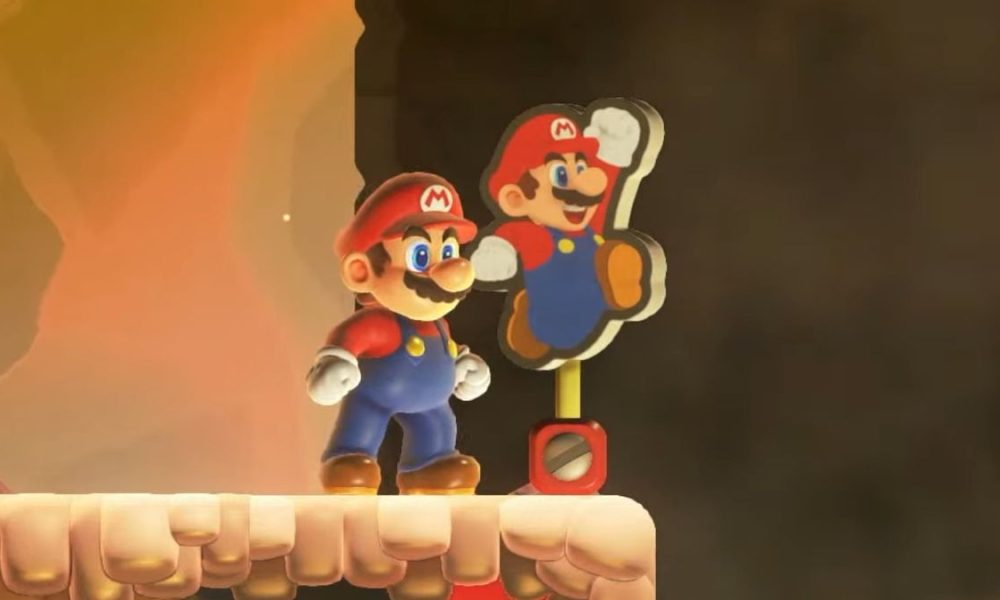
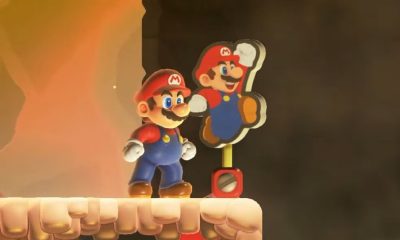
While Super Mario Bros. Wonder looks like a raucous time for a group of players, the game also features a new “live player shadow” feature for those who prefer to play solo. In the vein of Dark Souls, these shadows are real-time players who can join you in your trek to the finish in a more laid-back manner.
In a recent Ask the Developer post on Nintendo’s official site, game director Shiro Mouri spoke about the creation of the player shadow system, which allows solo players to sync up with other active players spontaneously in the stage – much like the player summons from Dark Souls. According to the developer, it grew from the idea of giving players “a casual connection” with others and offering an extra boost to make it to the goal.
“Basically, you can enjoy the game as if you’re playing solo, you don’t have to be on standby while you’re matched up with other players; matching takes place automatically behind the scenes during single player, so there’s no waiting around,” said the game director. “If someone in the world is playing the same course as you at the same time, you can connect and play online together. And so, we came up with ideas to form this casual connection with players worldwide. We call other online players ‘live player shadows,’ and if you greet them, they might greet you back, give you an extra item if they have one, or even help you when you make a mistake. But they can’t attack or disturb you. We wanted to create gameplay where only things that benefit the player can happen, and that resulted in the current design.”
Throughout the various Ask the Developers posts with the creative team, it was stated that Super Mario Bros. Wonder was about making the game approachable for all players. This aspect was focused on when producer Takashi Tezuka learned that another Nintendo developer stated they had given up on the mobile game Super Mario Run due to its challenge. This led to various ideas and pitches for what could be done for Wonder.
This aspect of design led to the creation of the game’s live shadow system, which not only gives solo players who want to focus on solitude a taste of the online co-op experience but also a way for them to make it through some more challenging levels with the help of another player going through the same challenge they are. It’s a particularly clever idea to situational co-op and give players a helping hand, especially when the series that popularized this feature is known for challenging struggles.
- The Coin-Collecting Thrill of Super Mario World
- How Mario Kart’s Item Box Won Players Over
- When Retro Games Hid Tiny Slot Machines
- Retro Gamers Keep Reviving Classic PlayStation Titles Through Browser Emulation
- Why Fast-Start Design Still Wins in Retro Gaming
- How Old-School Basketball Games Built a New Generation of Fans
- Pokemon Cloud White’s Wild Grass Surprises
- How 80s Arcade Design Powers Modern Games
- How Fearless Draft Is Reshaping Professional League of Legends
- How Super Mario RPG’s Timed Hits Shine
- How to optimize your browser for lag-free retro gaming in 2026
- The Technical Magic Behind Retro Gaming’s Most Massive Worlds
- How Gold Slot Themes Add Familiar Casino Style
- What Actually Happens on the Convention Floor Wi-Fi at a Retro Gaming Expo
- Why Hidden Unlockables Made Games More Memorable
- The Death of Cheat Codes and What Replaced Them
- Why Retro-Themed Slot Games Are Thriving in Ontario’s Licensed iGaming Market
- The Best Retro-Themed Online Slot Games Available Today
- How Arcade Classics Shaped the Design of Modern Online Slot Games
- Why Retro Games Still Read Better at a Glance
- The gaming market is booming and it’s bigger than you think
- How Secret Pro Player Stats Reveal The Most Broken Meta Picks You Should Abuse Today
- High Score Culture and Friendly Competition in Classic Arcade Gaming
- Why Fruit Symbols Remain Common in Slot Themed Video Games
- Maine: Shaping US iGaming Further
- The Role of Player Opinions in Creating Long-Lasting Games
- Gamification is changing online casinos and online games in a big way
- Red Is the New Gold: How Covert Skins Became the New Core of the CS2 Economy
- Why classic fruit symbols and lucky sevens outlived the hardware of early physical machines
- From Arcade Tokens to Digital Coins: How Coin-Op Gaming Grew Up
- Why Pokemon Cloud White’s Random Encounters Feel So Thrilling
- How Pokemon ROM Hacks Like Cloud White Built Their Appeal on Pure Randomness
- How Pokemon Cloud White and GBA Fan-ROMs Brought Luck-Based Minigames Back to Retro Play
- The Hidden Game Corners of Pokemon, Super Mario RPG, and Final Fantasy
- Why Players Still Love Retro Slots and Classic Symbols
- Arcade DNA: Why Simple Retro Game Loops Still Work Online
- What New Zealand’s online casino law means for payments, bonuses and account controls
- Canada’s Provincial iGaming Model Leaves Players Comparing Different Protection Rules
- How the GameFAQs Generation Changed Consumer Behavior
- Why online casino products appeal to retro gamers
- The Pixelated Matrix: How Game Theory Shaped Retro Game Design
- How Multiplayer Gaming Evolved from Local Co-Op to Online Networks
- How Fruit, Bells, and Pixel Retro Icons Built Gaming’s Fastest Language
- Insert Coin, Press Start: Why Simple Loops Still Work Online
- The 40-Year Evolution of Digital Bonuses in Gaming
- Retro Gaming vs Modern Gaming: What We Gained in Scale and Lost in Simplicity
- More Than Just a High Score: The Changing Face of Competitive Gaming
- How to Analyze Corners and Cards in Football Betting
- How Retro Games Became a Success Online, Including Bingo
- How Leaderboards and High Scores Motivated Players in Classic Arcade Culture