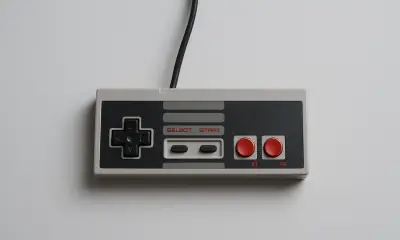
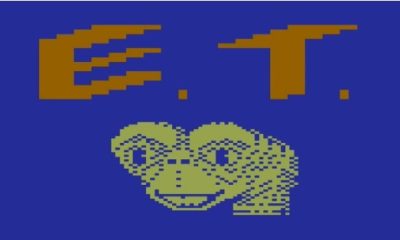
It is a well-known fact that many video game players gain something from their hobby. What exactly? Well, for many, it is a simple way to gain self-confidence and a sense of accomplishment by successfully completing the game’s stages. This is especially true for the retro games that we love so much. Being hardcore and unforgiving, they hook us up with the sense of satisfaction arising from successfully completing nearly impossible in-game tasks (we are looking at you, Jet Force Gemini).
Similar to online gambling, this feeling emerging from playing retro video games can become addictive, causing players to lose track of time and become less productive. But, this alone doesn’t sound too dangerous. So, what does?
Retro games about casinos. These can get dangerous pretty easily, especially for GamStop-registered players. And yes, it’s GamStop, not Gamestop.
Who are they and why are video games potentially dangerous for them? Let’s find out.
Why Retro Games Can Be Dangerous for Users on GamStop
Retro video games can be just as exciting as online casino games since both require skill, wit, preparation, and luck. There is, however, a dark side to online gambling — the addiction. Gambling addicts are pulled back to the card table or slot machine by the pleasure of the game despite rising losses, social activity impairment, family problems, psychological issues, and so on. To their minds, there is little difference between a “real” online casino and one in a video game.
This is where GamStop comes into play (pun intended). When a person registers on GamStop, they become blocked on all online gambling websites contained in the GamStop database, including online casinos, poker rooms, bingo halls, and so on — and there are thousands of them online. Ideally, abstaining from online casinos helps problem gamblers get rid of their addictions. Despite the wide availability of gaming sites with free bonuses such as NonStopCasino bonus offers, the program has proved its efficiency many times anyway.
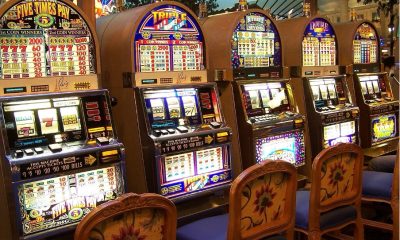
And now, imagine a person with such a problem engaging in good old games like Casino Kid, Golden Nugget 64, Caesars Palace 2000 or even Super Mario 2 (in case you don’t remember, it did have slots). Most likely, they would relapse, because they crave any gambling experience, even if it comes from an old-school video game with outdated graphics.
Does it mean that GamStop players should never play retro video games? Of course not. Here are some crucial points for GamStop users to keep in mind when selecting a video game.
Things for GamStop Users to Watch Out for In Retro Games
GamStop self-exclusion platform users aren’t permitted to visit gambling websites, thus they frequently turn to video gaming to fill the hole left by the lack of access to online casinos. Considering the reason for their self-exclusion, GamStop users should avoid video games with casino themes that simulate casino experiences and may cause a relapse of gambling addiction. There are special self-exclusion apps for video games, but regardless, it is best to stay away from such gaming experiences. Even if there is no gambling built into a retro video game, it might be better to avoid those games where the casino theme is playing a major role.
Stepping aside from specifically retro games, let’s talk a little bit about the dangers of present-day gaming. Nowadays, there are video games that involve paying real money for character or story progression. Sounds pretty much equivalent to gambling, right? Some might claim that paying real money makes it possible for consumers to enjoy the games more, but this is only true for those who do not suffer from problem gambling. Thus, avoiding spending money on any games should be the first rule of gaming for GamStop users.
Another potential danger is playing games with loot boxes. Gambling and loot boxes have certain similarities. They contain a few arbitrary components whose value isn’t predetermined at the time of purchase. This can influence you to start gambling again. Never pick a video game that you have to buy in order to play. GamStop users should avoid playing in situations where they feel like they might be gambling.
Conclusion
A responsible gambler is one who has registered with GamStop. By registering with GamStop, a gambler who struggles with compulsive gambling behaviours can self-exclude from gaming sites.
Gamers who have joined GamStop due to their compulsive gambling tendencies can play video games to relax, but they should be aware of the potential dangers. In particular, they should avoid playing retro games with casino themes (and there are plenty of them). When it comes to more modern video games, they should stay away from the games that exploit the “pay-to-win” mechanism,” or require players to buy loot boxes to get better in-game gear — in fact, as it is believed now, loot boxes exploit nearly the same mechanics as online casino games, and thus can be potentially risky to GamStop users.
When they feel like they might relapse, or when the urge to gamble increases, GamStop users can try doing some exercise, yoga, meditation, or talking to a dependable friend. And, of course, there are always counselling services available to such players 24/7.