Long before video screens and digital scoreboards became familiar sights in arcades, mechanical machines were already finding ways to capture your attention. Their simple controls, recognizable symbols and immediate results helped establish design ideas that continue to shape interactive entertainment today.
When you step up to an arcade machine, you probably expect to understand the basics without reading a lengthy instruction manual. That expectation has a long history, reaching back to the mechanical amusements that introduced people to coin-operated entertainment.
From Physical Gaming to Online Experiences
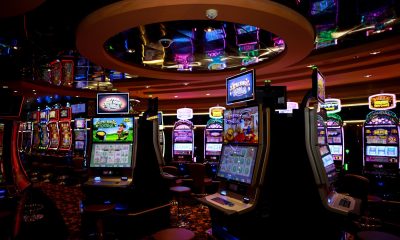
The move from physical gaming machines to online platforms has changed how you access and experience games. In the past, playing a slot machine usually meant visiting a venue and using a physical cabinet. Today, online gaming platforms allow you to explore similar styles of entertainment from a computer or mobile device, without needing to be in a particular location.
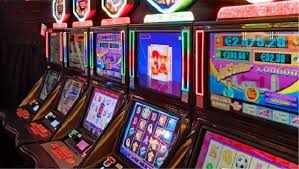
This shift has brought changes to both presentation and accessibility. Mechanical reels and physical levers have given way to digital interfaces, on-screen controls and animated symbols. However, some familiar design principles remain: clear layouts, recognizable symbols, straightforward navigation and feedback that helps you follow each interaction.
Platforms such as VoltRush show how established gaming concepts can be presented in an online environment. Rather than relying on the physical presence of a machine, an online platform needs to provide a consistent experience through its interface, available features and overall usability. Reliability also matters, particularly when it comes to transparent terms, clear account information and dependable access to platform features.
For you as a player, the difference is largely in how you access the experience. Online gaming offers greater convenience, while physical machines retain their distinctive atmosphere and tangible controls.
From Mechanical Reels to Interactive Entertainment
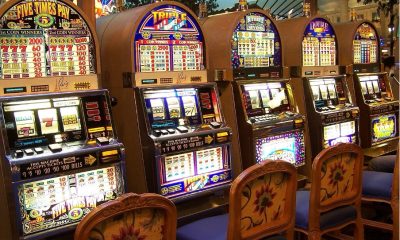
During the late nineteenth century, coin-operated machines began changing the way people experienced entertainment in public spaces. Mechanical novelties, strength testers, fortune-telling devices and early slot machines offered something appealingly straightforward: insert a coin, operate the mechanism and see what happens. That’s about as simple as it was.
You did not need to master a complicated set of rules before getting started. The machine showed you what to do, provided an immediate response and made the result easy to recognize.
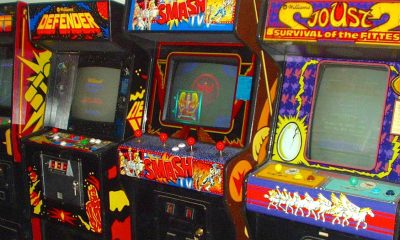
That approach eventually became important to arcade-style games, too. When you approach an unfamiliar cabinet, visible controls and clear instructions help you get started quickly. Early mechanical machines helped establish the appeal of this accessible format, although modern arcade design also developed through pinball, amusement games and other mechanical and electronic inventions.
The Design Principles That Shaped the Arcade
Early slot machines helped popularize several characteristics that later became familiar throughout coin-operated entertainment. Their influence was part of a wider history but the principles they demonstrated remain useful when you examine how arcade games communicate with players.
Here are six particularly important examples:
- Simple controls: A lever or button gave you a direct way to activate the machine without learning an elaborate control system.
- Recognizable symbols: Reels and icons helped you identify possible outcomes quickly.
- Immediate feedback: Mechanical movement, bells and other sounds made the result of an action apparent.
- Short sessions: Each play offered a self-contained experience that could be completed in a relatively brief period.
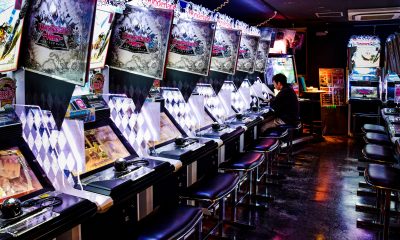
These choices also made practical sense for arcade environments. Machines needed to attract attention from across a room, explain their basic activity quickly and remain understandable when surrounded by other entertainment options.
A Quick Guide to Early Machine Design
| Design element | Early machine example | Influence on later games |
| Controls | Lever or button | Direct, intuitive input |
| Visuals | Reels and symbols | Readable icons and imagery |
| Feedback | Bells and mechanical movement | Sound and animation cues |
| Session structure | One play at a time | Short, self-contained rounds |
| Presentation | Decorated cabinets | Distinctive game identities |
This comparison makes it easier to see how a relatively simple mechanical format contributed to a wider set of design conventions. You can trace similar ideas through many different forms of interactive entertainment without assuming that every modern game follows the same formula.
From Mechanical Games to Pinball and Video Arcades
Pinball offers a useful example of how mechanical entertainment developed alongside slot machines. Its roots lie in bagatelle, a game in which players directed balls across a sloping board containing obstacles and scoring areas. Over time, manufacturers introduced more elaborate playfields, mechanical features and electrically powered components.
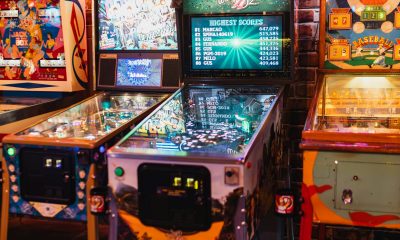
Unlike a traditional slot machine, pinball asks you to respond continuously to movement on the playfield. Even so, both formats demonstrate the importance of immediate feedback. When a ball strikes a target, activates a bell or reaches a scoring area, you can see and hear what has happened.
The arrival of electronic arcade games in the 1970s opened up further possibilities. Screen-based games could use visible targets, score displays, recognizable symbols and short sessions while introducing movement, changing objectives and more varied challenges.
Why Short Sessions Became a Lasting Format
One of the lasting contributions of coin-operated entertainment was the self-contained playing session. You could approach a machine, perform a recognizable sequence of actions and reach an outcome without committing to a lengthy activity.
That format suited shared entertainment spaces. You could watch another person play, get a sense of how the machine worked and decide whether to try it yourself.
Short sessions also encouraged designers to make every element count. A sound needed to communicate something. A movement needed to be noticeable. A control needed to have an understandable purpose.
What New Zealand’s Gaming Industry Adds to the Story
New Zealand’s game development sector offers a contemporary perspective on the continued importance of thoughtful design and presentation.
According to the New Zealand Game Developers Association’s 2024 industry survey, the local game development industry generated approximately NZ$548 million in pre-tax revenue during the 2023–24 financial year, an increase of 26% from the previous year. The figure gives you a sense of the scale of the country’s game development sector, although it does not isolate revenue from arcade games or slot machines.
The same survey reported that women’s representation in the industry rose from 22% in 2023 to 28% in 2024. Together, these figures provide a snapshot of a changing creative sector that spans different platforms, audiences and game formats.
Putting the Lessons into Modern Game Design
The influence of early slot machines becomes clearer when you consider them alongside the broader history of arcade entertainment. Mechanical reels helped demonstrate the appeal of direct interaction, recognizable symbols and clearly defined sessions. Pinball expanded the possibilities of physical control, while electronic arcade games introduced more varied objectives and increasingly expressive feedback.
As you explore the history of arcade-style games, one principle stands out: a game needs to communicate with you. Elaborate artwork can attract attention and distinctive sounds can add character but the underlying interaction still needs to make sense.
Finally, it is clear to see that early slot machines helped lay the groundwork for the arcade games you know today, using simple controls, familiar symbols and quick feedback to keep things easy to follow. Over time, these ideas carried into pinball machines, video arcades and digital games.
Gambling is for entertainment purposes only and should never be seen as a way to make money. Please gamble responsibly and only bet what you can afford to lose. 18+ only.

- Why Gaming’s Simplest Symbols Never Went Out of Style
- How Early Slot Machines Changed Arcade-Style Game Design
- Pokémon TCG Pocket vs GBA Pokémon: How Collecting Loops Changed in 20 Years
- 4 arcade mechanics that quietly explain how sweepstakes games work today
- Will Gaming Libraries Be The End of Games?
- When the Reels Stop: What Fast Casino Payouts Really Mean in 2026
- Why Catching Pokemon in ROM Hacks Feels Exciting
- Why Pokemon Cloud White’s Random Encounters Hook You
- From Game Gear to Browser Fun
- Why Mario Kart Nights Paired With Comfort Food
- How Fan-Made Pokemon ROM Hacks Build Communities
- The Quiet Math Behind The Minish Cap
- What Can Sweepstakes Casinos Learn From the Design Philosophy of Retro Games?
- From High Scores to Real-Time Predictions: A New Era of Digital Competition
- Game Boy Advance Nostalgia Meets Mobile Play: What Handheld Gaming Taught Us About Playing on the Go
- What the 90s Did For Gaming – A Revolutionary Era
- Why Retro Games Feel Right at Home in a Browser
- From Retro Slots to Browser Games: Why Simple Reward Loops Last
- The worst American football-themed video games ever made
- The Card Games That Taught Computers to Play
- When the Arcade Cabinet Was Part of the Game
- Bonus Stages in Modern Slots Have More in Common With Arcade Games Than You Think
- Hidden Chance Games Inside Classic SNES Titles
- Five Games for When You Just Want to Play
- The Real Market Behind Virtual Retro Goods
- How Clear Navigation Enhances Player Exploration in Digital Casinos
- Why Hardware Limits Made Retro Games Better Designed
- The Impact Of Retro Gaming On Adjacent Entertainment Sectors
- How Pixel Art Became Cool Again
- They All Started With Retro Games But Left the Biggest Impact in Esports
- The Coin-Collecting Thrill of Super Mario World
- How Mario Kart’s Item Box Won Players Over
- When Retro Games Hid Tiny Slot Machines
- Retro Gamers Keep Reviving Classic PlayStation Titles Through Browser Emulation
- Why Fast-Start Design Still Wins in Retro Gaming
- How Old-School Basketball Games Built a New Generation of Fans
- Pokemon Cloud White’s Wild Grass Surprises
- How 80s Arcade Design Powers Modern Games
- How Fearless Draft Is Reshaping Professional League of Legends
- How Super Mario RPG’s Timed Hits Shine
- How to optimize your browser for lag-free retro gaming in 2026
- The Technical Magic Behind Retro Gaming’s Most Massive Worlds
- How Gold Slot Themes Add Familiar Casino Style
- What Actually Happens on the Convention Floor Wi-Fi at a Retro Gaming Expo
- Why Hidden Unlockables Made Games More Memorable
- The Death of Cheat Codes and What Replaced Them
- Why Retro-Themed Slot Games Are Thriving in Ontario’s Licensed iGaming Market
- The Best Retro-Themed Online Slot Games Available Today
- How Arcade Classics Shaped the Design of Modern Online Slot Games
- Why Retro Games Still Read Better at a Glance