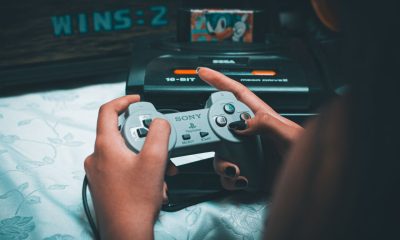
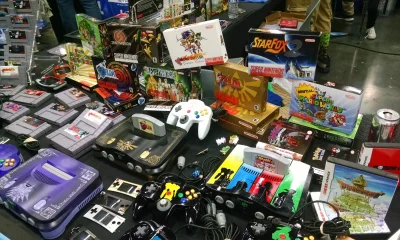
Stress rarely disappears because a game is old. The potential value is in the shape of the break: familiar rules can narrow attention, compact objectives provide a clear next action, and repeatable play loops can temporarily pull focus away from daily pressure. That reset is personal rather than automatic, yet it explains why returning to an older game can feel different from adding another demand to a crowded evening.
Gaming interests can also extend beyond retro libraries. A guide to apple pay games to earn money covers a separate gaming activity and should not be treated as a well-being tool. Any sense of relief discussed here comes from the experience of play, not from earning money.
Familiarity gives attention a smaller place to go
Retro games often present players with rules they already understand or can grasp quickly. That familiarity may reduce the mental effort of getting started, leaving more attention for the immediate task on screen. Clear goals and direct feedback can create a possible sense of competence, which can be welcome after a day full of open-ended demands.
Research on games broadly supports a cautious version of this idea. Reviews of casual and commercial games found promising evidence for reduced stress, anxiety, or low mood in some studies, while an experimental study found that brief casual play could help restore affective abilities after stress. These findings do not prove that every retro game is relaxing, or that retro gaming has a unique clinical effect.
Nostalgia is another part of the appeal, though it is not a simple happy-memory button. Researchers describe nostalgia as mixed, with warmth and joy alongside sadness or loss. Replaying a familiar game can offer continuity with an earlier period, but the emotional response remains individual and can shift from one session to the next.
Buying options that fit an intentional break
Players can buy digital games through official platform stores or digital marketplaces. Eneba is one option for game keys or gift cards, with clear region tags that help shoppers select products suited to their account and platform.
That choice can support an intentional routine rather than an impulse purchase. A familiar game already available in a library is often a practical starting point, while a new digital purchase can be selected around a preferred platform, region, and style of play. The aim is not to chase a perfect relaxation formula, but to choose an experience that feels manageable at that moment.
A restorative routine has a clear stopping point
A useful reset begins with a simple boundary. Pick a familiar game, decide on a defined play window, and stop while the session still feels restorative. No universally ideal session length has been established, so the right endpoint is the point where attention feels clearer rather than more depleted.
Escapism can be constructive when it is a short, deliberate pause from pressure. It becomes less helpful when gaming repeatedly replaces sleep, relationships, work, or other responsibilities. The American Psychological Association notes that games may offer mental health benefits for some people, while problematic gaming is marked by significant interference with daily functioning over time.
Retro gaming therefore works best as one possible part of a wider approach to rest, not a treatment for anxiety, depression, or other health conditions. Digital marketplaces like Eneba offer deals on digital products, including games and gift cards, but the real value of a stress-relief session lies in choosing play with a purpose and leaving space for the rest of life.

- What No One Tells You About Retro Games as Stress Relief
- Does Gaming Identity Now Show Up More Through Fandom and Social Spaces?
- Game Boy Advance Nostalgia Meets Mobile Play: What Handheld Gaming Taught Us About Playing on the Go
- What the 90s Did For Gaming – A Revolutionary Era
- Why Retro Games Feel Right at Home in a Browser
- From Retro Slots to Browser Games: Why Simple Reward Loops Last
- The worst American football-themed video games ever made
- The Card Games That Taught Computers to Play
- When the Arcade Cabinet Was Part of the Game
- Bonus Stages in Modern Slots Have More in Common With Arcade Games Than You Think
- Hidden Chance Games Inside Classic SNES Titles
- Five Games for When You Just Want to Play
- The Real Market Behind Virtual Retro Goods
- How Clear Navigation Enhances Player Exploration in Digital Casinos
- Why Hardware Limits Made Retro Games Better Designed
- The Impact Of Retro Gaming On Adjacent Entertainment Sectors
- How Pixel Art Became Cool Again
- They All Started With Retro Games But Left the Biggest Impact in Esports
- The Coin-Collecting Thrill of Super Mario World
- How Mario Kart’s Item Box Won Players Over
- When Retro Games Hid Tiny Slot Machines
- Retro Gamers Keep Reviving Classic PlayStation Titles Through Browser Emulation
- Why Fast-Start Design Still Wins in Retro Gaming
- How Old-School Basketball Games Built a New Generation of Fans
- Pokemon Cloud White’s Wild Grass Surprises
- How 80s Arcade Design Powers Modern Games
- How Fearless Draft Is Reshaping Professional League of Legends
- How Super Mario RPG’s Timed Hits Shine
- How to optimize your browser for lag-free retro gaming in 2026
- The Technical Magic Behind Retro Gaming’s Most Massive Worlds
- How Gold Slot Themes Add Familiar Casino Style
- What Actually Happens on the Convention Floor Wi-Fi at a Retro Gaming Expo
- Why Hidden Unlockables Made Games More Memorable
- The Death of Cheat Codes and What Replaced Them
- Why Retro-Themed Slot Games Are Thriving in Ontario’s Licensed iGaming Market
- The Best Retro-Themed Online Slot Games Available Today
- How Arcade Classics Shaped the Design of Modern Online Slot Games
- Why Retro Games Still Read Better at a Glance
- The gaming market is booming and it’s bigger than you think
- How Secret Pro Player Stats Reveal The Most Broken Meta Picks You Should Abuse Today
- High Score Culture and Friendly Competition in Classic Arcade Gaming
- Why Fruit Symbols Remain Common in Slot Themed Video Games
- Maine: Shaping US iGaming Further
- The Role of Player Opinions in Creating Long-Lasting Games
- Gamification is changing online casinos and online games in a big way
- Red Is the New Gold: How Covert Skins Became the New Core of the CS2 Economy
- Why classic fruit symbols and lucky sevens outlived the hardware of early physical machines
- From Arcade Tokens to Digital Coins: How Coin-Op Gaming Grew Up
- Why Pokemon Cloud White’s Random Encounters Feel So Thrilling
- How Pokemon ROM Hacks Like Cloud White Built Their Appeal on Pure Randomness