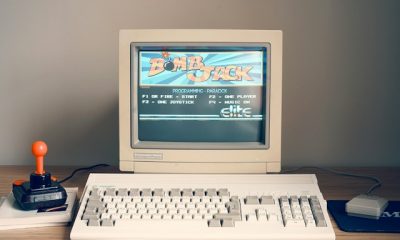
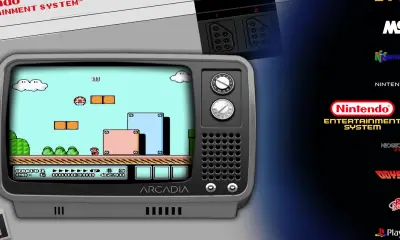
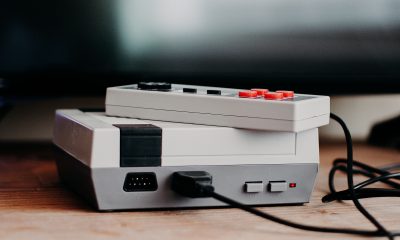
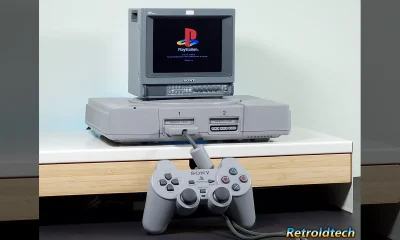
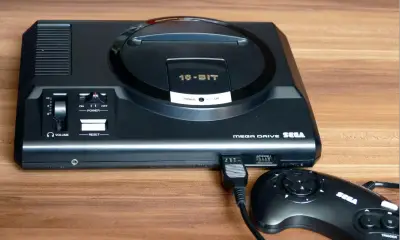
Anyone who grew up with cartridges remembers the routine. Find the game, connect the console, tune the television, and hope nobody has misplaced the controller.
Today, that same game might be running in a browser before the original machine would have finished loading.
The technology has changed beyond recognition, but the attraction is familiar. Retro games are quick to understand, easy to revisit, and rarely demand an entire evening. Those qualities make them particularly well suited to the way people now play online.
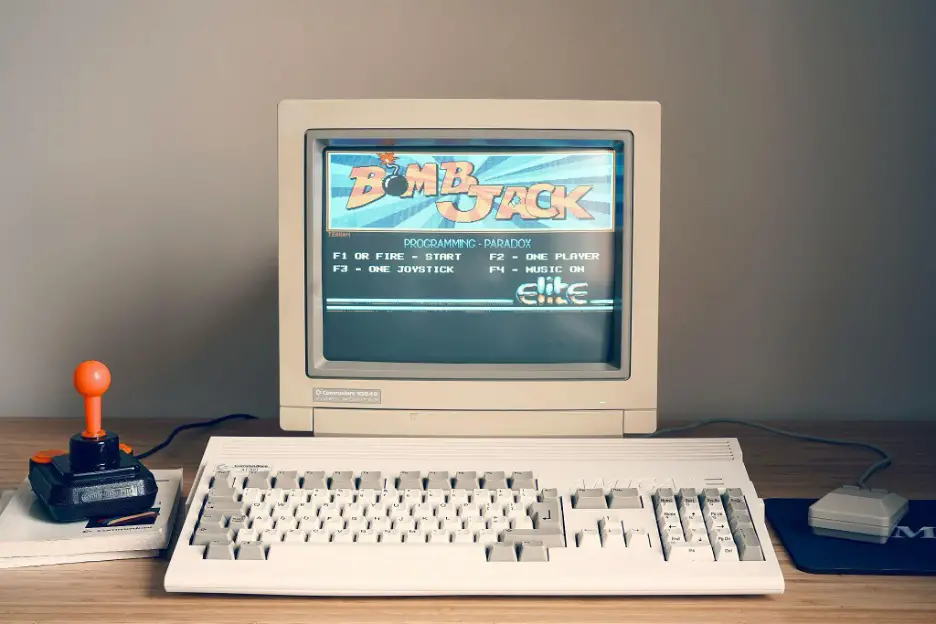
Classic Games Were Built to Start Quickly
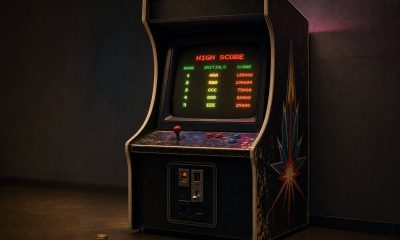
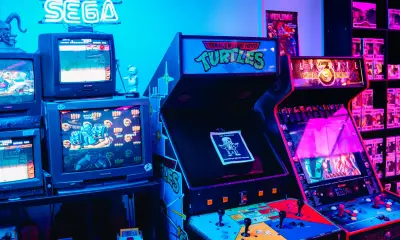
Successful arcade games had little time to explain themselves. Players typically paid for each attempt, so the opening moments needed to establish the objective and controls quickly.
Pac-Man showed the maze, pellets, and ghosts. Donkey Kong placed its hero beneath a series of platforms and rolling barrels. Galaga began sending enemies toward the player almost immediately.
The finer points took time to master, but the basic objectives were visible from the start.
Home-console games carried many of those habits into the living room. Storage and processing limitations encouraged developers to concentrate on a small number of mechanics instead of long introductions or crowded menus.
That simplicity now works remarkably well in a browser tab.
The Browser Removes the Hardware Hunt
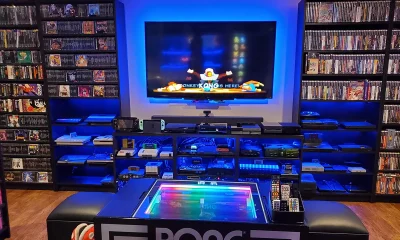
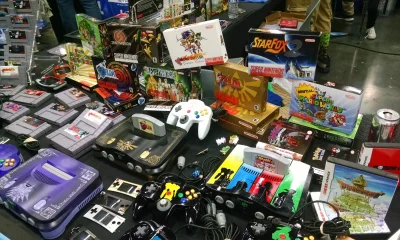
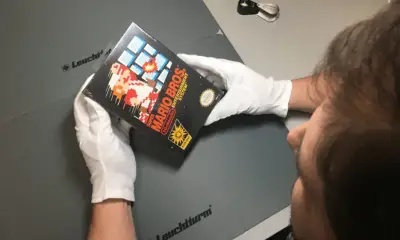
Playing on original hardware provides an experience that browser emulation cannot reproduce perfectly, but keeping several aging systems ready to use takes space, cables, and working controllers. Older cartridges and discs can also become difficult or expensive to replace.
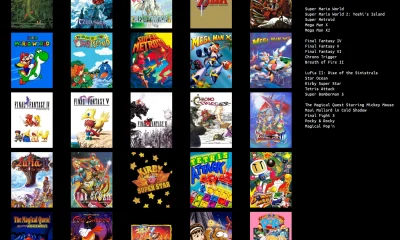
Play Retro Games offers a more immediate alternative through its browser-based MAME collection. A player can choose a title and begin without connecting a separate console or finding space for another piece of hardware.
A keyboard feels different from an arcade joystick, while a modern display does not behave exactly like a CRT screen. What the browser provides is convenience: an old game becomes something that can be revisited for ten minutes rather than a project requiring old equipment to be set up first.
Older Formats Have Found New Screens
The browser has not only provided another home for console and arcade games. It has also changed how people encounter older forms of play.
Card games, puzzles, and reel-based games existed long before the web, but digital platforms can now place them inside the same kind of searchable catalog used for newer releases. The familiar rules or symbols remain, while the controls and presentation are adapted for a screen.
Jackpot City online casino illustrates that continuity through slots based on classic fruit-machine designs alongside newer video slots. The reels and familiar symbols connect the games to older machines, while animation and digital interfaces update how they are presented.
The same pattern appears throughout gaming. A format does not have to remain tied to its original hardware to stay recognizable. What matters is preserving the visual cues, rules, or movements that tell players how the game works.
As online libraries grow, organization becomes increasingly important. Clear categories and useful game information help players find what they want without scrolling through an endless wall of thumbnails.
Convenience Changes How We Play
A cartridge encouraged commitment. Once the console was connected and the game was running, changing to something else required a physical decision.
Browser libraries make switching almost effortless. That is useful when trying an unfamiliar title, but it can also make players less patient. A game that fails to communicate its objective quickly may lose someone to another tab.
Retro games have an advantage here because many were designed around short, repeatable loops. Losing a life was rarely the end of the session. It was an invitation to try again with a slightly better understanding of the level.
Quick restarts, visible scores, and recognizable patterns remain effective even when the cabinet has been replaced by a laptop.
Preserving the Experience Is the Harder Challenge
Making a game accessible and preserving it accurately are not necessarily the same thing.
Games depend on hardware, software, controllers, and display technology that can become obsolete. Some later titles also rely on servers or online communities that may eventually disappear.
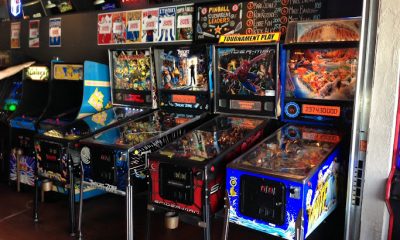
The Strong National Museum of Play maintains older arcade and pinball machines, preserves files created for obsolete systems, and cares for archival materials connected to the games industry.
A browser can keep the playable part of a game within reach, but original machines, documentation, and development materials help preserve the history surrounding it.
The Screen Changes but the Appeal Survives
Browser play cannot recreate every detail of an arcade or a childhood living room. It can, however, preserve the most important moment: pressing start and immediately understanding why the game is fun.
Retro games feel natural in a browser because they were built around clear ideas. The journey to the game has become shorter, but the reasons to play again have barely changed.