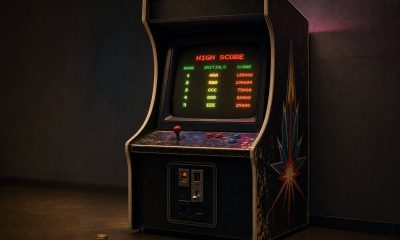
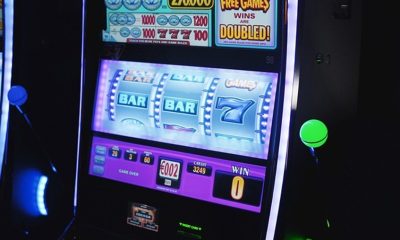
In Street Fighter II, the first bonus stage stopped the usual one-on-one fight and put a parked car in front of you. The job was simple: smash it before the timer ran out, then return to the tournament. Modern slot bonuses use the same break from normal play, although their results come from chance rather than joystick skill.
That difference is important, but the basic design has plenty in common. Both formats interrupt the main game, announce a separate event and give it a clear ending. Once you know what to look for, a modern bonus round starts to resemble the arcade stages that once swallowed entire afternoons and a fair amount of pocket money.
A Bonus Round Changes the Rules
A proper bonus round is a small game sitting inside the main one. Something triggers it, the normal rules change and a separate sequence begins. Once that sequence finishes, the screen returns to the base game.
The lobby at Voltrush NZ includes titles built around exactly that type of play, with Gates of Olympus Super Scatter and Sugar Rush Super Scatter sitting alongside games such as Piggy Power: Hit the Bonus. The page groups its catalogue into Prestige and Exclusive Picks collections, with New Releases kept in their own section.
Those names tell you plenty about what happens inside the games. A scatter is usually a trigger rather than an ordinary paying symbol, while Hold & Win games separate selected symbols from the rest of the reels and run a new sequence around them. The player has entered another part of the game, even though the cabinet has been replaced by a browser window.
That temporary rule change is the important bit. A bonus does not need a new character or a completely different screen to work, but the player needs to know that normal play has stopped. A counter may appear, the music may change or selected reel positions may stay locked. The feature then runs until its set number of spins or respins has ended.
The live lobby currently carries 32 games in its Prestige collection and 33 under Exclusive Picks. New Releases contains another 49 titles, giving the bonus mechanic plenty of room to change between themes without losing its basic purpose.
Arcade Games Built the Original Change of Pace
Arcade developers understood the value of a short break from the main game. Pac-Man used power pellets to turn the ghosts from hunters into targets, with each ghost worth more points than the last. Galaga removed the usual attacks during its challenging stages and asked the player to concentrate on accuracy.
Street Fighter II made the change even clearer. The opponent disappeared, a car arrived and the player had a timer counting down. Normal combat returned once the job was done.
Arcade designer Sebastian Kostka explained the need for clear signals in a December 2023 interview with John Harris. “These modern forms of communication within a game are essential, signaling to the player what is happening, when, and where,” he told Game Developer.
That principle carries straight into a slot bonus. The player needs to recognise the trigger and understand the temporary objective without leaving the game to read a long explanation. A different soundtrack can announce the change before the first bonus spin begins, while a counter tells the player exactly how much of the feature remains.
| Design Element | Arcade Bonus Stage | Modern Slot Feature |
| Entry | Level or score trigger | Scatter or feature trigger |
| Rule change | Separate challenge | Free spins or altered reels |
| Feedback | New screen and music | Animation and counters |
| Progress | Timer or score target | Remaining spins or multiplier |
| Exit | Return to the level | Return to the base reels |
Every Bonus Feature Runs on a Loop
The programming beneath both formats follows a simple cycle. The game presents a situation and accepts the player’s input, then calculates what happens next before displaying the result. That process repeats until the game reaches an ending point.
MDN contributors described this cycle in Anatomy of a Video Game, a Mozilla technical guide last modified in August 2026.
In plain English, the loop works like this:
- The game shows the current state.
- The player presses a button or taps the screen.
- The software processes the action.
- The result appears and the cycle begins again.
A slot bonus runs inside that larger loop. The trigger moves the game into a feature state, where the software uses a different set of display rules until the allocated sequence ends. The outcome still comes from the game’s chance-based system, but the screen must keep every counter and animation in step with it.
MDN gives developers a useful number for that work. A browser running on a 60 Hz display has about 16.5 milliseconds to complete the work needed for each frame. Heavy animation still has to fit inside that tight window, or the feature can stutter when it is supposed to be at its liveliest.
Trial mode is available on numerous games in the VoltRush lobby, although it is not offered on every title. That lets a player learn the symbols and feature presentation without entering the standard game mode, much as an arcade demonstration screen once showed people what to expect before they inserted a coin.
Bonus Rounds Need Clear Signals
A bonus trigger has to be obvious. The player needs to know when the base game has ended and what the new screen is asking them to follow. Sound usually does part of the work, while animation confirms that the feature has started.
The sequence often begins before the bonus itself. Two scatter symbols may land, changing the music as the remaining reels stop. A third trigger then starts the feature and brings up a counter. The anticipation comes from knowing what the final reel might unlock, rather than from a complicated set of instructions.
Bright effects have a practical limit. The World Wide Web Consortium’s Accessibility Guidelines Working Group updated its WCAG 2.2 guidance in March 2026, stating that content must not flash more than three times during any one-second period.
That rule gives designers a clear boundary. A bonus round can announce itself through a new colour scheme and controlled animation, without filling the screen with rapid flashes. Sound can carry part of the message as well, provided the screen still explains the feature for players who have their device muted.
Before a game even opens, VoltRush separates its catalogue through 34 provider filters and named collections. Once a title starts, its own interface takes over that job, using symbols and counters to guide the player through the base reels and any bonus sequence.
Bonus Stages Never Left
Arcade games and slots ask different things from the player. The car stage in Street Fighter II rewards quick button work, whereas a slot feature remains a game of chance. The connection lies in the way each format presents a break from ordinary play.
Both give the player a clear entrance into a separate round, followed by a clear return to the main game. That short interruption lets designers raise the pace without rebuilding everything around it.
The hardware has changed from cabinets to phones, but the idea still works because it is easy to understand. Normal play stops, something different happens and the game returns to where it started. Arcade designers found that formula decades ago, and modern bonus rounds are still using it.
Gambling is intended for adults and should be treated as entertainment rather than a way to make money. Play responsibly and never wager more than you can afford to lose.

- 4 arcade mechanics that quietly explain how sweepstakes games work today
- Will Gaming Libraries Be The End of Games?
- When the Reels Stop: What Fast Casino Payouts Really Mean in 2026
- Why Catching Pokemon in ROM Hacks Feels Exciting
- Why Pokemon Cloud White’s Random Encounters Hook You
- From Game Gear to Browser Fun
- Why Mario Kart Nights Paired With Comfort Food
- How Fan-Made Pokemon ROM Hacks Build Communities
- The Quiet Math Behind The Minish Cap
- What Can Sweepstakes Casinos Learn From the Design Philosophy of Retro Games?
- From High Scores to Real-Time Predictions: A New Era of Digital Competition
- Game Boy Advance Nostalgia Meets Mobile Play: What Handheld Gaming Taught Us About Playing on the Go
- What the 90s Did For Gaming – A Revolutionary Era
- Why Retro Games Feel Right at Home in a Browser
- From Retro Slots to Browser Games: Why Simple Reward Loops Last
- The worst American football-themed video games ever made
- The Card Games That Taught Computers to Play
- When the Arcade Cabinet Was Part of the Game
- Bonus Stages in Modern Slots Have More in Common With Arcade Games Than You Think
- Hidden Chance Games Inside Classic SNES Titles
- Five Games for When You Just Want to Play
- The Real Market Behind Virtual Retro Goods
- How Clear Navigation Enhances Player Exploration in Digital Casinos
- Why Hardware Limits Made Retro Games Better Designed
- The Impact Of Retro Gaming On Adjacent Entertainment Sectors
- How Pixel Art Became Cool Again
- They All Started With Retro Games But Left the Biggest Impact in Esports
- The Coin-Collecting Thrill of Super Mario World
- How Mario Kart’s Item Box Won Players Over
- When Retro Games Hid Tiny Slot Machines
- Retro Gamers Keep Reviving Classic PlayStation Titles Through Browser Emulation
- Why Fast-Start Design Still Wins in Retro Gaming
- How Old-School Basketball Games Built a New Generation of Fans
- Pokemon Cloud White’s Wild Grass Surprises
- How 80s Arcade Design Powers Modern Games
- How Fearless Draft Is Reshaping Professional League of Legends
- How Super Mario RPG’s Timed Hits Shine
- How to optimize your browser for lag-free retro gaming in 2026
- The Technical Magic Behind Retro Gaming’s Most Massive Worlds
- How Gold Slot Themes Add Familiar Casino Style
- What Actually Happens on the Convention Floor Wi-Fi at a Retro Gaming Expo
- Why Hidden Unlockables Made Games More Memorable
- The Death of Cheat Codes and What Replaced Them
- Why Retro-Themed Slot Games Are Thriving in Ontario’s Licensed iGaming Market
- The Best Retro-Themed Online Slot Games Available Today
- How Arcade Classics Shaped the Design of Modern Online Slot Games
- Why Retro Games Still Read Better at a Glance
- The gaming market is booming and it’s bigger than you think
- How Secret Pro Player Stats Reveal The Most Broken Meta Picks You Should Abuse Today
- High Score Culture and Friendly Competition in Classic Arcade Gaming