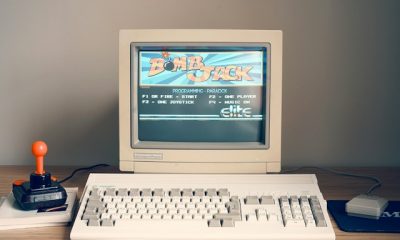
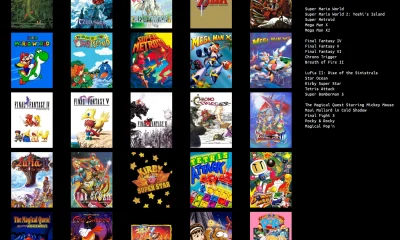
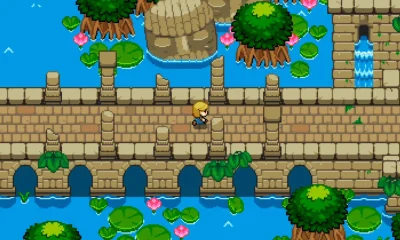
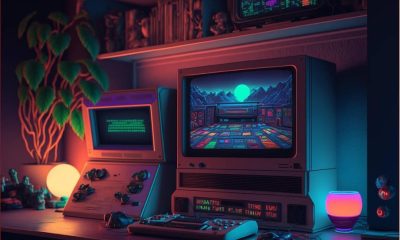
You know what’s weird? I remember when pixel art was something developers apologised for. “Sorry about the graphics; we’re working with limited hardware here.” Fast forward to today, and some of the most beloved games deliberately choose that chunky, blocky aesthetic. It’s not a compromise anymore. It’s a statement.
The whole thing fascinates me because it shows how our relationship with visual styles evolves. Pixel art went from being a technical handcuff to this celebrated art form that’s everywhere: indie darlings, big-budget titles and yeah, even showing up in digital slot machines. Who saw that coming?

The Technical Roots of Pixel Perfection
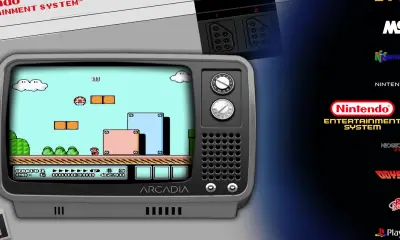
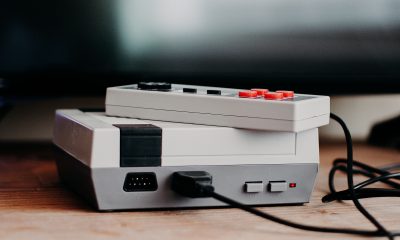
Let’s be real: nobody in the 1980s sat around thinking “man, wouldn’t it be cool if we limited ourselves to 256 x 240 pixels?” The NES could handle 54 colours total. That’s it. Artists had to squeeze entire universes into those constraints, and somehow they made it work.
But here’s where it gets interesting. Those limitations? They forced people to get creative in ways that shaped how we think about game art forever. When you can’t add more pixels, you obsess over the ones you have. Character designs became instantly recognisable from their silhouettes alone. Think about Mario: you’d know that little guy anywhere, even as a shadow.
Every pixel carried weight. A few dots in the right place could convey emotion, suggest movement, make something feel alive. It was almost like visual poetry, where every element mattered.
And the kicker? Modern pixel artists voluntarily work within similar constraints. They’ve got access to all the tools in the world, but they choose to limit themselves anyway. It’s like shooting on film when you own a top-tier digital camera. Sometimes the restrictions are the point.
From Indie Darling to Mainstream Acceptance
The indie game explosion around 2010 changed everything. Suddenly you had games like Stardew Valley, Celeste and Undertale proving that players didn’t need photorealistic graphics to care deeply about a game. These weren’t nostalgia cash-grabs either. They used pixel art because it made sense: small teams could build massive worlds without burning through Hollywood-sized budgets.
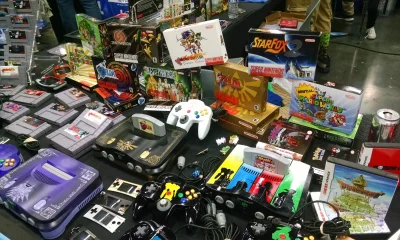
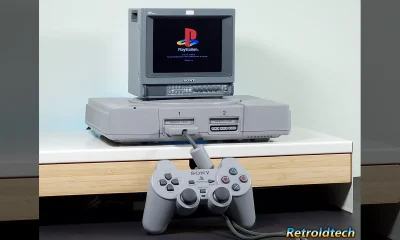
There’s a practical side nobody talks about enough. One skilled pixel artist can create assets that would need an entire 3D modelling team. Plus, the style ages like fine wine. Go back and look at early PlayStation games with their chunky polygons and blurry textures: they’re rough. But pixel art from that same era? Still looks crisp and purposeful.
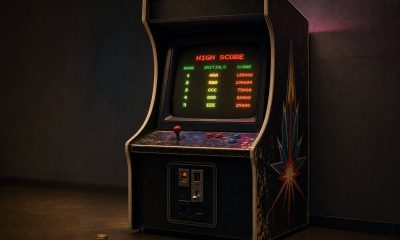
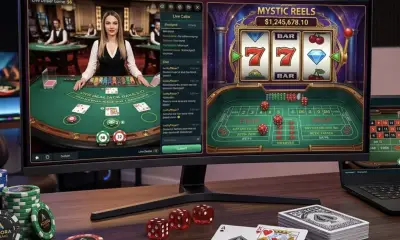
The industry caught on fast. Mobile gaming especially fell in love with the style, and it makes sense when you think about it. Smaller screens, touch controls: pixel art’s clarity is perfect for that environment. Now you’ll find the aesthetic everywhere, from puzzle games to online casino slots. Some paysafecard casinos australia have fully embraced retro-styled slot games with pixel art design, which honestly shows how far the style has spread beyond traditional gaming.
Why Modern Audiences Connect With Blocky Graphics
Here’s something I’ve noticed: pixel art makes your brain work a little. It doesn’t hand you every detail on a platter. Your mind fills in gaps, interprets suggestions, completes the picture. That active participation creates a different kind of engagement than just staring at photorealistic renders.
There’s also something refreshing about how honest it is. Everything in modern gaming pushes toward “more realistic, bigger budgets, shinier graphics.” Pixel art doesn’t pretend. You can see the craft. It’s upfront about being a game, which somehow makes it easier to get lost in the experience. Weird paradox, right?
And emotionally? Pixel art can hit different notes that high-fidelity graphics sometimes miss. It can be cosy (Stardew Valley), unsettling (Lone Survivor proved pixel horror is absolutely a thing), mysterious, playful: whatever the game needs. That ambiguity lets your imagination run wild in ways that leaving nothing to interpretation sometimes can’t match.
The Future Looks Pleasantly Pixelated
What really gets me excited is watching how the style keeps evolving. Modern pixel artists aren’t just recreating 1985. They’re using lighting effects, layering techniques and animation tricks that would’ve melted an NES. It’s about taking that established visual language and seeing where else it can go.
The business side helps too. Pixel art games consistently sell well on Steam, Switch, wherever. Players trust the style now. They know it can deliver quality experiences across any genre you can think of. That economic reality means we’re not losing pixel art anytime soon.
And there’s this whole new generation of artists learning the craft from scratch. Kids who weren’t even born during the 8-bit era are getting into pixel art, bringing completely fresh perspectives. The online communities around it are incredible: people sharing techniques, workshopping pieces, celebrating really exceptional pixel work. New tools keep getting better and more accessible.
So yeah, pixel art made this journey from “sorry, that’s all we can do” to “this is exactly what we want to do.” It showed everyone that visual fidelity isn’t the only path to making something beautiful or meaningful. As technology keeps racing forward, there’s something comforting about seeing these older visual styles not just hanging on, but genuinely thriving.
Those chunky sprites and blocky characters? They’re here to stay. And honestly, I think gaming is better for it.