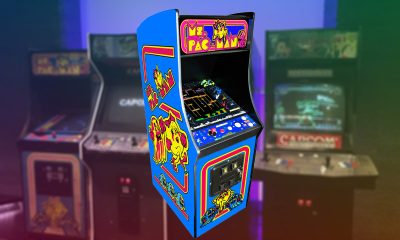
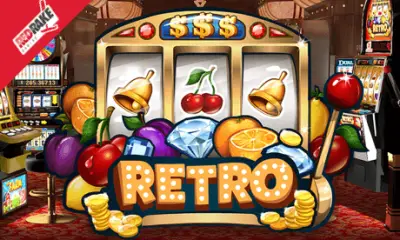
Retro arcade game design continues to shape today’s digital slot experiences in visible and subtle ways. Modern online slot games often borrow from classic arcades, blending nostalgia with familiar casino mechanics. This crossover resonates with retro gamers by capturing the spirit of fast-paced, visually rich, and replay-driven entertainment.

From pixel art aesthetics to quick gameplay loops, classic arcades and digital slot games share underlying design choices that keep players engaged. In modern slot titles, elements that feel reminiscent of cabinet gaming are intentional, drawing from established arcade traditions. In roulette online, rapid resolution and strong audiovisual feedback demonstrate connections between the mechanics of old-school arcades and new slot formats. For both retro game enthusiasts and those interested in online gambling, recognizing these links provides insight into why today’s slots can feel familiar.
The roots of rapid engagement and replay value
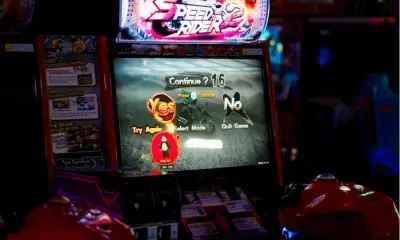
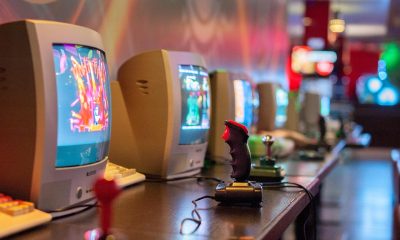
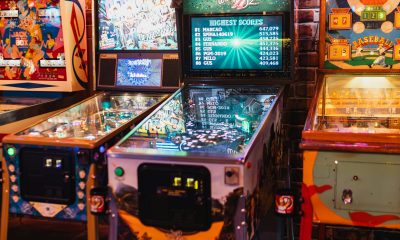
Arcade games were designed to give players immediate feedback and encourage repeated plays, a principle that translates to modern online slot games. Fast gameplay cycles and instant responses help keep attention high, whether spinning reels or aiming for high scores on a vintage machine.
Both formats rely on a strong “just one more try” mentality. Quick win or loss cycles in slots echo the pressure of short arcade play sessions, motivating sustained engagement and repeated attempts. This reward pacing helps each round stay engaging and fosters a rhythm that’s instantly recognizable to longstanding gamers.
The coin-operated model of arcade machines established a framework where every second of gameplay needed to justify its cost, creating an urgency that modern slot games replicate through their betting structures. Arcade designers mastered the art of balancing difficulty with accessibility, ensuring players felt they could succeed with just one more attempt. This psychological approach appears in slot volatility settings, where near-misses and partial wins maintain momentum between larger payouts. The underlying mathematics of both systems prioritize maintaining player interest through carefully calibrated risk and reward ratios, creating experiences that feel dynamic rather than predictable.
Visual cues, art styles, and interface design influences
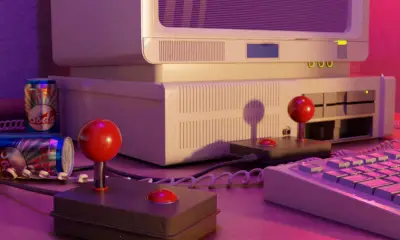
Many slot games borrow from the look of arcade originals, applying pixel art effects, bold color schemes, and easily readable icons. These design decisions are rooted in the need for clarity and immediate recognition, so players can interpret outcomes and changes at a glance, similar to how arcade cabinets required rapid visual processing.
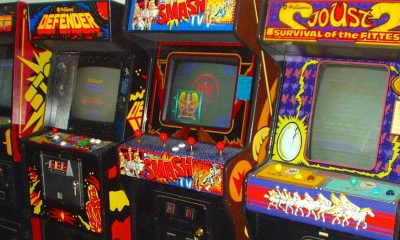
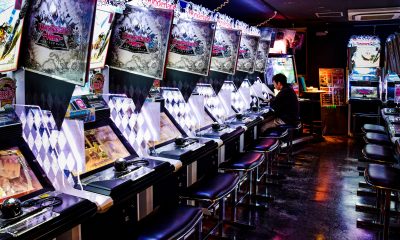
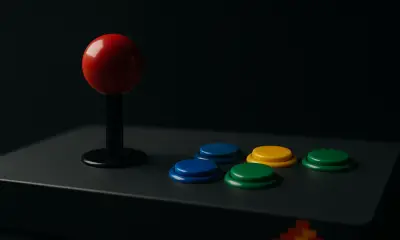
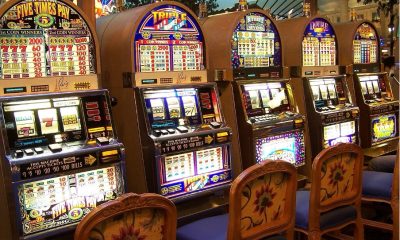
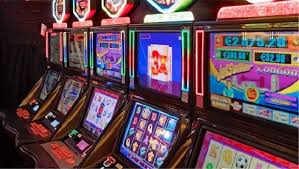
Bright cabinet framing, animated lights, and prominent user interface buttons frequently appear in slot games styled after retro titles. This approach draws on nostalgia while serving a practical purpose: maintaining clarity and engagement for short, repeated gaming sessions.
Core mechanics, bonus stages, and audio feedback parallels
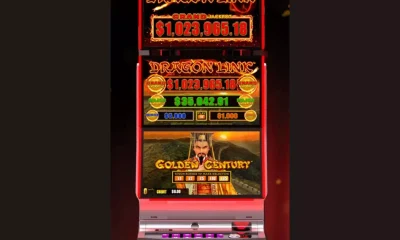
Modern slot game mechanics often reflect the challenge spikes and risk-reward scenarios associated with arcade gameplay. For example, free spin features or bonus rounds introduce periods of heightened anticipation, echoing the excitement of progressing through challenging arcade stages or discovering hidden levels. Combo triggers and cascading symbol effects have close parallels to the score multipliers and chaining combos of classic cabinet games.
Audio is also influential in connecting the two formats. Sound effects such as bright chimes, short musical cues, and looping background sounds draw inspiration from arcade-era design, where audio heightened excitement and signaled key game events.
Progression hooks and design sensibilities across formats
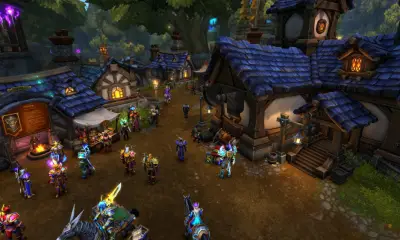
Modern online slots often include metagame progression, such as collectibles, badges, and unlockable features. These elements are similar to arcade motivations like high-score chasing and achievement hunting, offering structures for player engagement that align with established traditions in gaming design.
Comparing slot design to table games, there are also points of similarity with roulette and related experiences: readable outcomes, straightforward rules, and swift gameplay. This clarity reflects arcade-era priorities, where direct feedback and manageable pacing were fundamental design considerations.