Some gaming symbols are so familiar that most people never stop to think about where they came from. Cherries, lemons. BARs, lucky sevens are all simple icons that first appeared on mechanical gaming machines more than a century ago. The machines themselves might have disappeared from casino floors, thanks to the emergence of new technology. Yet the symbols become permanently embedded in popular culture and still show up in video games, movies, advertisements, emojis, clothing designs, and countless gaming experiences, transcending the original machines that once introduced them.
The Humble Origins of Fruit Symbols
The story of fruit symbols began in the early 1900s, when slot machine manufacturers faced growing legal pressure in parts of the United States. Some operators found a creative workaround. Instead of awarding cash prizes, machines dispensed fruit-flavored chewing gum.
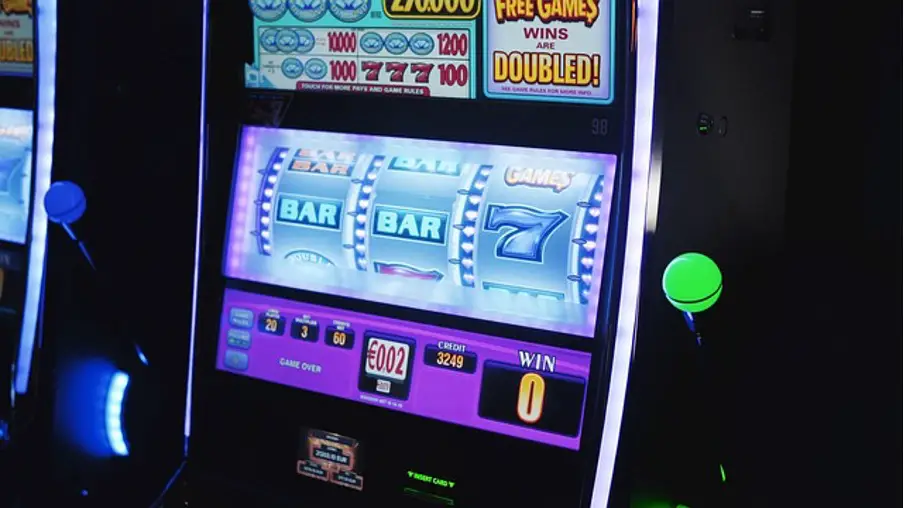
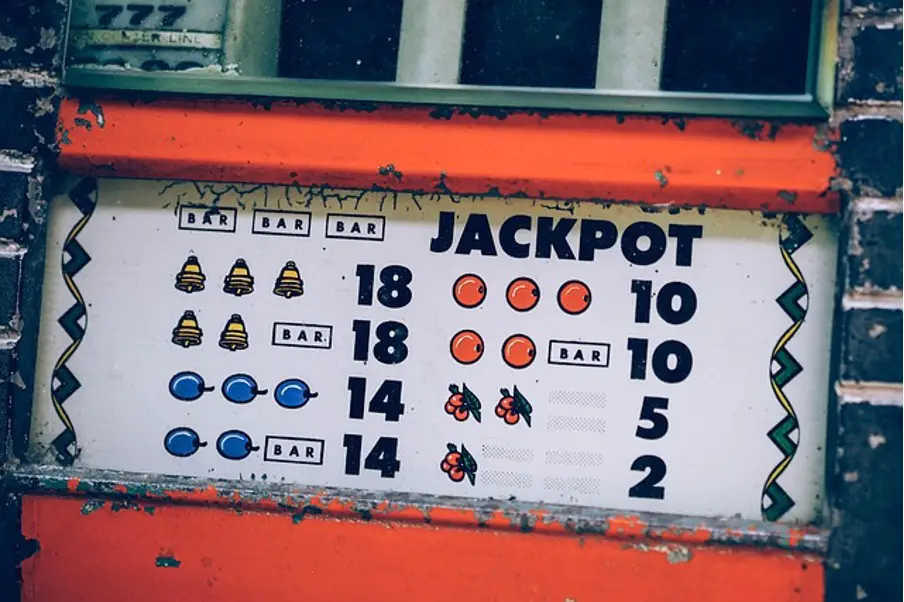
To help players identify the prizes, manufacturers decorated the reels with fruit symbols representing different flavors. Cherries, lemons, oranges, and plums soon became standard features of these machines. Meanwhile, the BAR symbol evolved from the logo of the Bell-Fruit Gum Company, one of the major manufacturers of the era.
Unexpectedly, what began as a simple practical design decision created some of the most recognizable gaming symbols ever produced. And more than a century later, simplicity is still one of the greatest strengths of the classic symbols.
When Arcade Culture Adopted Classic Symbols
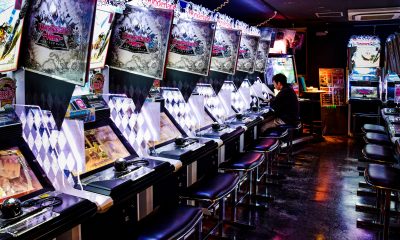
The arrival of video games in the late 1970s and 1980s could have marked the end of fruit iconography.
Instead, arcade developers discovered that simple symbols translated extremely well to early digital displays. Limited hardware capabilities meant artists had to communicate ideas using only a small number of pixels. Fruit symbols fit perfectly into that concept.
A cherry could be clearly identified even on low-resolution screens. The same could not always be said for more complex artwork.
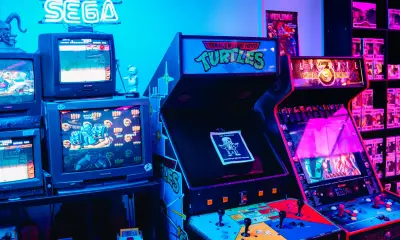
As arcade games exploded, these familiar icons became mainstream in the broader gaming world. They appeared as collectibles, bonus symbols, score multipliers, and decorative elements. They became part of the visual vocabulary of gaming itself. For players growing up during the arcade era, fruit symbols became as familiar as power-ups, coins, or extra-life icons.
Lucky Sevens Already Had a Head Start
Fruit symbols gained popularity through gaming, but the lucky seven has long been associated with luck, fortune, and success in various cultures. Long before the first gaming machine was built, seven already carried positive associations in mythology, religion, folklore, and superstition around the world.
Manufacturers simply capitalized on an idea that people were already familiar with. The cultural foundation gave lucky sevens an advantage that few gaming symbols have. Even people with no connection to gaming often recognize 777 as a symbol of luck and winning.
Why These Symbols Survived While Others Disappeared
Not every gaming symbol was as successful as fruits and lucky sevens. Gaming history is full of once-familiar symbols that slowly faded away. Early slot machines featured horseshoes, bells, stars, shields, and playing card suits. Many of these were popular during their era, but few successfully avoided the path of becoming outdated and crossing into mainstream culture.
Fruit symbols avoided that fate. As gaming technology evolved from mechanical reels to arcade cabinets, desktop computers, online platforms, and smartphones, these symbols stayed relevant to new generations of players. So they survived, while many of their early counterparts gradually disappeared from public consciousness.
Designers refer to this quality as timeless usability. The most successful icons communicate meaning instantly and remain effective regardless of the platform displaying them.
A Bridge Between Retro and Modern Gaming
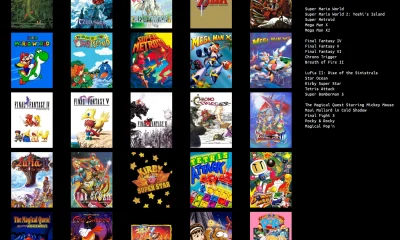
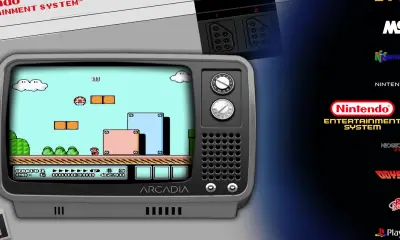
Players continue to look for experiences that remind them of earlier times in entertainment. Pixel-art games, retro-inspired soundtracks, arcade compilations, and classic gaming collections all benefit from this demand. And the rise of retro gaming has given classic symbols another reason to thrive.
Many modern retro-themed gaming experiences deliberately incorporate cherries, BARs, and lucky sevens because they instantly communicate a sense of history. Seeing a cherry or lucky seven creates an instant connection to decades of entertainment, even for players who never experienced the original mechanical machines firsthand.
These timeless designs remain the definitive symbol of instant-play media, acting as the visual centerpiece for a highly popular variety of retro slots available at BetMGM, which bridge the gap between traditional mechanical history and modern touchscreens.
Older players recognize them from classic machines and arcade culture. Younger players encounter them through modern games and digital platforms. Both groups understand their meaning.

The Icons That Outlived Their Machines
Very few gaming symbols survive for more than a century. Fewer still manage to remain relevant through multiple technological revolutions.
Cherries, lemons, BARs, and lucky sevens accomplished that beautifully. The machines that introduced them have largely faded into history, but the symbols have not.
In a world where technology changes constantly, the success of classic icons proves that sometimes the most enduring innovations are also the simplest.