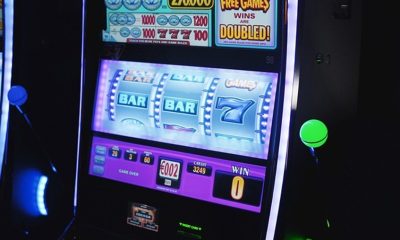
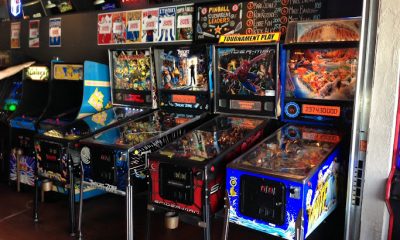
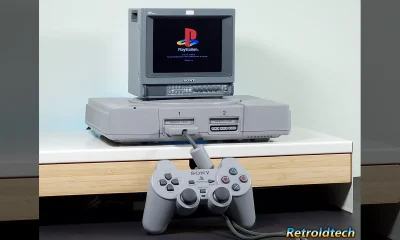
Today, many vintage and retro gamers tend to look at modern, microtransaction and crossover-media fuelled games like Fortnite or Candy Crush with some kind of contempt. Sure, you can argue the negatives of that kind of model all day. But, crucially, you would be forgetting that the history of gaming has from the start been shaped by innovations in reward systems – often with the aim of monetary repetition.
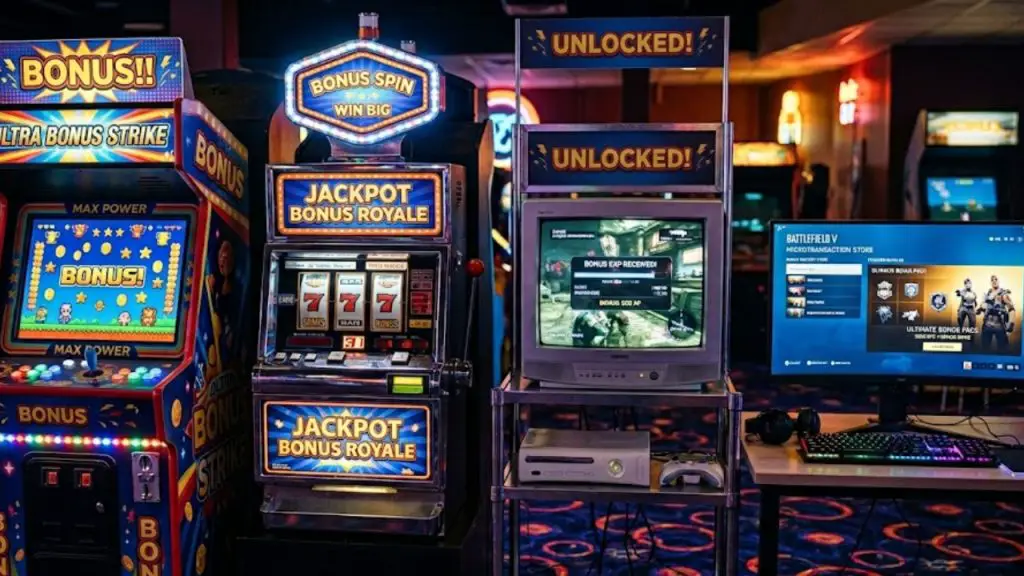
Coin-Operated Reward Loops Made Gaming Popular (and Profitable)
Videogames were initially made purely by hobbyists and tech heads as passion projects. The industry really took off with arcade gaming in the 1970s and 80s. That boom of interest was sparked by the commercial success of games like Space Invaders and Pac Man. Games that understood and monetized the reward loop.
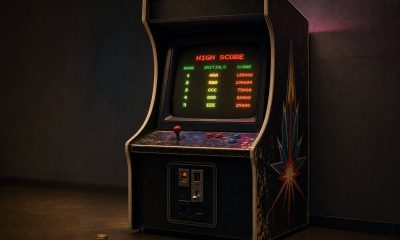
Things like the high score, individual lives and difficulty or level progression encouraged players to keep trying – and putting in more coins when they failed.
Compared to early videogames that emulated existing games like table tennis or blackjack, these titles were designed specifically to use the video game format to keep players engaged for as long as possible. They even incorporated the first social trigger in videogames, with leaderboards and high scores.
At its peak in the 1980s Space Invaders was earning $500 million annually – equivalent to $1.6 billion today.
Home Consoles Shifted Design Progression
Psychological and behavioural strategies were employed by early arcade videogame developers. Even if they didn’t label it or think of it as such in all cases. Regardless of intent it resulted in great success. The following developments have been carried forward in videogames since:
- Variable success
- The near miss effect
- Escalating challenge
- Collectibles
- Delayed rewards
By the 1990s and the emergence of home consoles, these things were already evolving and becoming more complex. But it was also adapting to a new model where customers paid upfront.
This, alongside save systems, allowed things like long-scale narrative progression as a reward. Truly opening up the idea of videogames as storytelling. Collectibles also became linked with unlockable items, such as 100% completion awards.
The early 2000s saw the emergence of a new kind of reward. Designers noticed players wanted games with a lot of content that provided value for money. Dopamine-driven design loops came back in style quickly – such as:
- Random item drops
- Unlockable skins, guns, title cards in multiplayer games
- Easter eggs and “hidden” content
- XP and levels
Online Gambling and Bonus Design Changed the Game
If any kind of gaming represents the purest form of reward systems put to use in design, it would be gambling and gambling bonus offers. Online casinos debuted in the mid 90s, and rose to popularity around the same time as early consoles. But, they were, obviously, much more focused on immediate rewards over storytelling or critical appraisal. Today, bonuses are a key part of the concept as ever.
For example, this Stake bonus page is a good illustration of the depth of casino bonuses in the modern day. Players look to such resources to find specific rewards they want from specific sportsbooks. Details include the terms and conditions of the bonuses, the games they’re available to play on and how they stack up against offers from competitors.
Online casinos and sportsbooks introduced things that are common across many different types of games and gaming platforms – especially mobile games – in the modern day. Such as:
- Deposit match offers
- Free spins or bets
- Reward tiers
- Custom offers sent directly to players based on their interests
Freemium and Mobile Games Developed on Gambling Bonus Concepts
Freemium mobile games have taken a lot of inspiration from casino gambling models. For example, most games with any kind of virtual currency will now offer a deposit match. Lots of games also offer reward wheels and purchasable loot boxes with random rewards – some of which are much rarer than others.
There are even sites – called social casino gaming – where people play casino-style slots games for play money. With no risk or real reward, except the thrill of winning virtual coins. And they’re actually very popular.
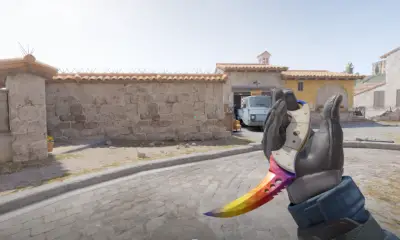
Another example is the popularity of skin gambling. For the uninitiated, this is where players play casino-like games where the prize in game skins. Mostly for Counter Strike gun skins, some of which have huge market value.
Then there are games that just use gambling mechanics, but put them to work in narratives or other interesting ways. For example Balatro was one of the biggest indie hits of 2024 – and it basically took poker and applied that to a roguelike deck builder game.
Algorithm Customized Rewards – The New Frontier
In the past half decade, the biggest change in reward systems in gaming has most definitely been shaped by algorithmic and machine learning.
Developers and publishers increasingly use strategies such as:
- Dynamic pricing and rewards
- Highly targeted engagement strategies
- Crossover marketing and content
- Behavioural tracking for custom rewards
For example, casinos can offer players custom promos for their particular most played slot game. Or, games can offer you discounts on skins for characters or items you regularly use. Licensed media-based slot games have been common for decades, but today all kinds of free live service games offer crossover content.
People today might tell you gaming rewards are too commercialized. The reality is – for big studios at least – they always have been. The home console boom of the 90s and 2000s was just a blip.