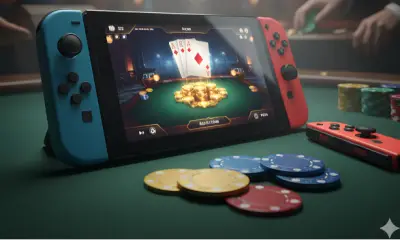
From smoky backroom games to glitzy casino tables and the expansive online realm, poker has proven its staying power. There are no Western movies without a poker scene and plenty of casino heists or spy movies also implement them. The appeal and charm of this, seemingly simple game, have captured the imagination of many. All you need is a deck of cards, a stern look, and a table, but the possibilities are endless. So, what keeps this classic card game relevant?
1. It’s all Skill
At its core, poker isn’t just about luck; it’s a game of skill and strategy. Players must learn to read their opponents, calculate odds, and make strategic decisions based on incomplete information. This blend of elements creates an engaging challenge that attracts those who enjoy using their head. The World Series of Poker (WSOP) has highlighted this aspect, with many champions celebrated for their strategic prowess rather than sheer luck.
Players like Phil Ivey and Daniel Negreanu have become icons not just for their wins, but for their deep understanding of the game. Getting to their level requires plenty of practice, in-person or online at sites featured on a poker guide. Online tournaments are a great way to test and improve your poker skills, and continuously improve your poker knowledge.
Studies show that the best players consistently outperform less skilled opponents over the long term, reinforcing the idea that skill is crucial in poker. This emphasis on skill keeps players returning to improve their game, creating a vibrant community dedicated to learning and growth.
2. Social Interaction
Whether you’re at a casino, a friend’s house, or an online platform, poker is inherently a communal experience. Players share laughs, stories, and the occasional friendly banter, creating lasting bonds. Whether it’s a friendly Friday night of some beer money gaming or a local tournament, the social experience of poker is undeniably what keeps it popular.
Many people play poker to connect with friends or meet new ones. In many cases, these gatherings turn into traditions, where family and friends come together to play and celebrate, making poker a part of their social fabric. With the addition of online poker, players can now interact with people from all over the globe. This has opened up new avenues for friendship and camaraderie, breaking geographical barriers and bringing together diverse cultures through the shared love for the game.

3. Variety
Poker is not a one-size-fits-all game. With various formats like Texas Hold’em, Omaha, Seven Card Stud, and more, there’s something for every type of player. Texas Hold’em is the most popular version. Games like Pot-Limit Omaha have gained a loyal following. The introduction of mixed games where players switch between different variants has added yet another layer of complexity and excitement.
4. Accessibility
Poker is remarkably accessible. The basic rules are easy to learn, and you only need a deck of cards to start. Even someone who has not played a single game can get a rough bearing in his first game. Many online platforms offer free-to-play games, allowing beginners to practice without financial pressure. This accessibility means any player can join in, making the poker community diverse and expansive. There is no shortage of tales where successful players have emerged from humble beginnings, proving that anyone can rise through the ranks with dedication and practice.
5. Cultural Appeal
Poker isn’t just a game; it’s a cultural phenomenon. The allure of poker is often depicted in movies, TV shows, and literature. Films like “Rounders” and “Casino Royale” have popularized the game, showcasing the thrill, high stakes, and glamor. Poker has become a staple in pop culture, influencing music and fashion. The imagery associated with poker like the “poker face” has entered everyday language, making it more than just a game but a cultural touchstone. This broad appeal ensures that poker remains relevant and attracts new players.
The rise of celebrity poker has further elevated its status. Events featuring famous personalities have drawn massive audiences, helping to demystify the game and showcase it as an exciting pastime that anyone can enjoy. The cultural significance of poker not only enhances its allure but also creates a sense of belonging among players who share a passion for the game.

6. Online Gaming
The rise of online poker has been a game-changer. The convenience of online play has opened up poker to a larger audience, allowing people to play at any time, day or night. Data shows that the online poker industry experienced significant growth during the COVID-19 pandemic, with many players seeking social interaction and entertainment while in lockdown.
In 2020, online poker revenues soared, with platforms reporting increases of over 200% in traffic. The introduction of live-streamed tournaments has brought the excitement of poker directly into people’s living rooms, further cementing its place in our modern culture. Viewers can watch professional players, learn strategies, and engage with the community through chat functions, creating a more interactive experience.
7. The Thrill
The thrill of betting and the potential for winnings are huge draws for players. Poker isn’t just a game; it’s a chance to test your skills. The prospect of winning can be exhilarating, drawing in casual players and high rollers. According to a report from the American Gaming Association, the commercial gaming industry in the U.S. generated over $53 billion in revenue in 2021, with poker being a significant contributor.
Tournaments often feature massive prize pools, attracting players from all over. The 2022 WSOP Main Event boasted a prize pool of over $80 million, with the winner taking home nearly $10 million. The psychological thrill of risk-taking in poker combined with the strategic elements creates a unique experience.
Poker has stood the test of time for a multitude of reasons. Its blend of skill and strategy, social interaction, variety of formats, accessibility, cultural appeal, online gaming, and the thrill of gambling all contribute to its lasting popularity. As the game evolves, one thing remains clear: poker isn’t going anywhere!