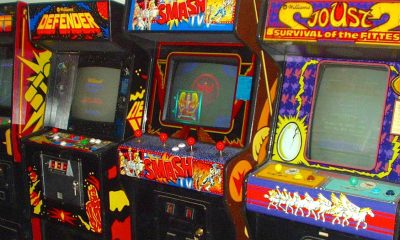
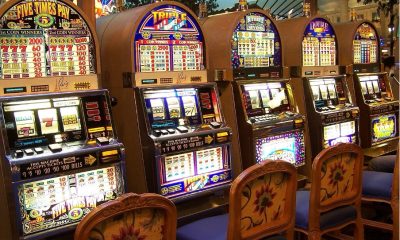
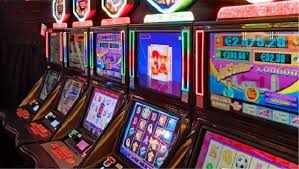
Anyone who spent time in an arcade will remember the two kinds of paper and metal that moved through the building. Tokens went into machines, and long strips of tickets came back out, ready to be counted at the prize counter. Most players never thought of it as a system with rules. It was, though, and the same structure now sits underneath a very different kind of online game.
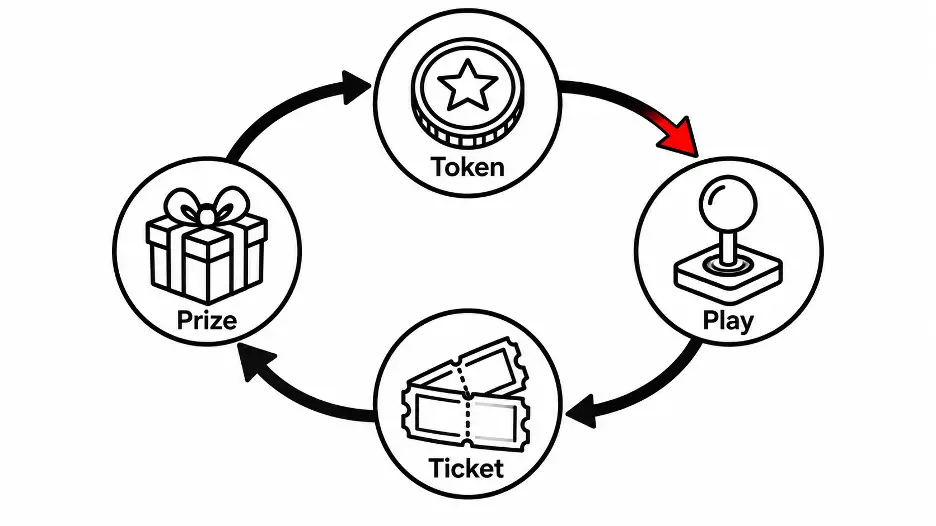
Sweepstakes casinos in the United States run on a two-currency model that looks a lot like that old token-and-ticket economy, and A guide to social casino game formats such as win.gg’s sweepstakes page explains the split in plain terms: Gold Coins are for entertainment only, while Sweeps Coins can be redeemed for prizes once a player meets the operator’s conditions. Seen through arcade history, the design is easier to follow, and so are its limits. These games are for adults only, usually 18 and over and 21 and over on some sites, and they are banned outright in a growing number of states.
1. Tokens and tickets: two currencies, two jobs
In a classic arcade, tokens bought time on a machine and tickets measured what a player had earned. The two never mixed. You could not feed tickets back into a cabinet, and the token you dropped into a pinball table had no value at the prize counter.
Sweepstakes platforms keep that separation on purpose. According to the win.gg guide, Gold Coins have no cash value and exist purely for play, while Sweeps Coins carry a playthrough requirement, typically one to three times, before they can be redeemed. Most sites also set a minimum redemption threshold, often in the range of 50 to 100 Sweeps Coins. The arcade parallel holds here too: a handful of tickets rarely bought anything worthwhile, and the shelf you actually wanted always needed a bigger stack.
2. The high score table: competition with a name on it
Leaderboards feel like a modern invention, but they are one of the oldest ideas in arcade design. As Den of Geek’s history of the high score explains, Midway’s Sea Wolf in 1976 was the first game to use the term “high score.” Space Invaders put the top score on screen in 1978, though it vanished whenever the cabinet lost power, and Exidy’s Star Fire in 1979 was the first to let players add their initials. Atari’s Asteroids, released the same year, added a full high score table.
Sweepstakes sites use the same instinct for tournaments and leaderboards, often with a shared pool of Sweeps Coins for the top finishers. The mechanic works for the same reason it did in 1979: a visible ranking gives people a reason to come back. It is worth remembering that the arcade version only ever cost a player some pride, while a leaderboard tied to purchasable coins can cost more if nobody sets a limit.
3. The prize counter: where value is decided
Ticket redemption is the mechanic most people associate with arcades today. According to Tedium’s history of the redemption arcade, redemption games have dominated most arcades since the early 1990s, and Skee-Ball is where the elements of the format first came together, with parlors in the 1930s already using prize cabinets that look much like a modern counter.
The sweepstakes version of the prize counter is the redemption page, and it comes with paperwork the arcade never asked for. The win.gg guide notes that players must pass identity checks before any redemption, typically with a government ID, proof of address and a selfie-based check, and that processing time depends on the operator and the payment method. In other words, the counter still decides what your tickets are worth, but now it also checks who you are and where you live.
4. Free play and the “no purchase necessary” rule
Arcades sometimes ran machines on free play for events, and operators handed out free credits to keep people around. Sweepstakes games build that idea into their legal structure. The win.gg guide explains that gambling is generally defined by three elements, prize, chance and consideration, and that sweepstakes sites aim to remove consideration by making sure no purchase is ever required to get Sweeps Coins. Any purchase is meant to buy Gold Coins, with Sweeps Coins included as a bonus, and players can also request coins through a mail-in route known as an alternative method of entry.
That legal design is exactly what lawmakers have been testing. The same guide lists California, New York and several other states as having banned the model, with more restrictions taking effect through 2026. Before trying any site, it makes sense to check:
- whether your state allows sweepstakes games at all, since the list is changing quickly;
- the minimum age on that particular site, which may be 21 rather than 18;
- the playthrough and minimum redemption rules for Sweeps Coins;
- what you are willing to spend on optional coin packages, decided before you start.
None of this changes the appeal of the original machines, which never asked for anything beyond a coin and some patience. If the arcade side is what you are after, the coin-op arcade games collection on Play Retro Games is the place to start, with no tokens, tickets or prize counters involved.