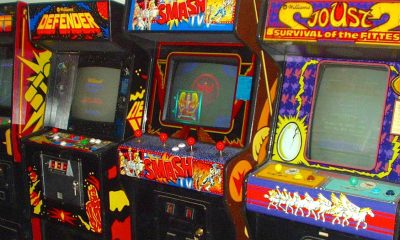
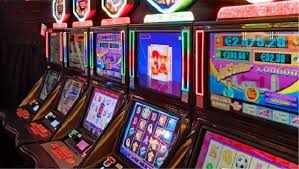
The structure of classic arcade games was built on short, skill-driven loops, insert a coin, test your reflexes, and chase a higher score. That same loop now drives blockchain-based slot games, where the coin has turned into a token and the joystick into a crypto wallet. Players are no longer chasing leaderboard glory but on-chain rewards, verified through smart contracts.
Across the world, regions like Europe, Southeast Asia, and India have become key players in shaping this new gaming model. Europe leads with regulatory precision through hubs such as Malta and Estonia; Southeast Asia drives innovation through its mobile-first audiences; and India is proving a worthy competitor, blending scale, creativity, and a rapidly growing crypto ecosystem.
The shift becomes especially striking in India, where blockchain gaming has collided with a rising curiosity for digital assets. Here, the comparison of all the Indian options reveals how operators are localizing everything, from rupee-to-crypto gateways and UPI-compatible deposits to themes inspired by Indian mythology and festivals.

From Arcades to Web3: Coin Slots to Crypto Wallets
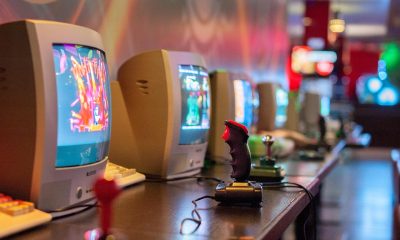
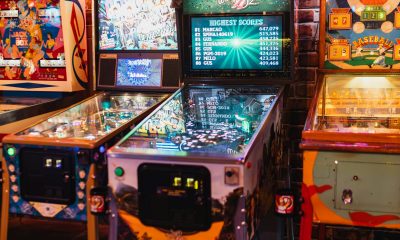
Classic arcades were built around short loops of skill. You dropped a coin, played for as long as you could, and kept going if you wanted to. Games like Pac-Man, Donkey Kong, and Galaga thrived on this format, instant access, rising tension, and endlessly repeatable fun.
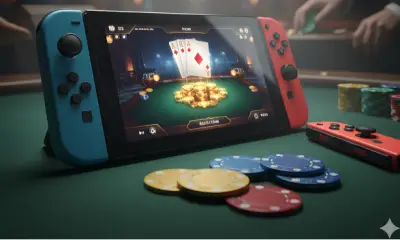
Blockchain slots follow the same structure. The coin has now become a crypto token, and the joystick has been replaced by a browser wallet such as MetaMask. The play sessions remain fast-paced, but they are now tied to smart contracts that record every move and result directly on the blockchain.
Mechanics That Carried Over
Arcade games utilized speed, streak, and combo multipliers, as well as increasing difficulty, to make them exciting. These design elements have made a comeback in blockchain gambling games, such as Arcader (by Thunderkick) and Pixel Samurai, which utilize both old-school visuals and slot-based progression.
Risk management and timing mechanics are directly borrowed from retro gameplay mechanics, such as those found in Crash and Plinko, which are featured in Web3 versions of these classics. These games provide immediate feedback, rudimentary controls, and small windows of decision-making, just as their arcade predecessors.
Transparency: From Hidden Odds to On-Chain Fairness
Arcade machines and traditional slots never informed players about the odds. That lack of transparency created decades of skepticism. Blockchain games have shifted the equation with the introduction of provably fair systems, which rely on public hashes and verifiable randomness to ensure fairness.
For example, blockchain-based games, such as lotteries, have algorithms like Chainlink VRF or in-house hashing systems that allow players to verify each result. There is no need to trust the algorithm hidden in the house, but you can check whether a spin or a game round was really random by yourself.
From High Scores to Real Value
In the arcade, getting your name on the leader board first was the reward. Now, the “score” is tokenized. Win a round, and you could receive ERC-20 tokens, NFT skins, or on-chain collectible items with market value.
Games such as Moon Runners and Neon District allow players to win, hold, or trade in-game assets. That means a power-up or streak reward is not just a graphic, it’s something you literally own and can resell or put to use elsewhere on-chain.
Crypto Stake-Based Skill-Based Play.
Arcade games were based on reflexes. You had to make your moves at the perfect time, jump at the ideal time, or dodge at the perfect time. That same idea is returning in Web3 games like Mini Royale: Nations or ZED RUN, where timing, positioning, or strategy have an impact.
Even simpler blockchain games, such as Aviator, utilize live player input (when to cash out) that simulates the decision-making tension found in fast-paced arcade shooters or platformers. Players are not just spinning reels; they are making real-time decisions on a platform where crypto is at stake.
Why Retro Aesthetics are Relevant for Blockchain
Pixel art, low-res screenshots, and chiptune soundtracks weren’t just nostalgic; they were practical. Blockchain finances are already heavy, and these lightweight assets will help reduce load times and run smoothly on mobile devices and low-power browsers.
Some games, such as Arc8, WAGMI Defense, and Ether Jump, deliberately employ retro visuals. They are less expensive to build, run faster, and align with the approach that blockchain technology often takes: keeping things as simple and functional as possible, without unnecessary polish.
From Score Loops to Token Loops
Old games looped players using points: survive, get better, brag. Today’s blockchain games are an endless cycle of economic layers: stake tokens, play rounds, win rewards, restake.
A good example is StepN, which rewards consistent play with token earnings tied to in-game actions. Even simpler slots will have staking pools, leaderboard bonuses, and play-to-earn economies that resemble arcade score chasing, except now it’s for real value.
Arcades: They didn’t die, they just went online
The arcade cabinet is no more, but the logic of its design is. Instead of a joystick and CRT screen, you now have a wallet, a browser tab, and a provably fair contract behind each round.
Games based on blockchains have adopted the key concepts of arcades, including instant feedback, increasing stakes, pressure on skill, and rapid re-entry. Players don’t just play nostalgia; they play variations of nostalgia, recreated for today’s technology.