There are retro games that have found their place in the realm of e-sports. While the e-sports scene is primarily dominated by modern titles, certain retro games have managed to carve out a niche and attract competitive players and dedicated communities. These games may not have been originally designed with e-sports in mind but have gained popularity due to their gameplay depth, competitive nature, and enduring fanbase.
While the e-sports scene predominantly revolves around competitive video games, it’s worth noting that the concept of e-sports primarily involves multiplayer, skill-based competition with a focus on strategic decision-making and individual or team performance. In that sense, traditional casino games like poker, blackjack, or roulette may not fit the conventional definition of e-sports.
However, it’s important to acknowledge that the gambling industry has embraced technology and introduced online casino platforms, such as the best real money casinos, that incorporate elements of skill-based gameplay and competition. While these games may not fall strictly under the e-sports category, they offer multiplayer experiences and competitive environments.
For example, online poker platforms host large-scale tournaments where players compete for substantial prizes. Poker requires strategic thinking, psychological analysis, and skilled decision-making, making it an engaging and competitive multiplayer experience. While not classified as e-sports per se, online poker tournaments often draw significant attention and showcase the skill and expertise of top players.
Retro Games that Count as e-Sports
“Super Smash Bros. Melee” (2001)
“Super Smash Bros. Melee” for the Nintendo GameCube is a beloved fighting game that has transcended its status as a classic to become a pillar of the e-sports community. Despite the release of newer entries in the series, “Melee” retains a fiercely dedicated following. Its fast-paced gameplay, complex mechanics, and diverse roster of Nintendo characters make it a challenging and thrilling e-sports experience. Major tournaments like Evolution Championship Series (EVO) feature “Melee” as a main event, where top players showcase their skills in epic battles that combine precise execution, mind games, and lightning-fast reflexes.
“Street Fighter II” (1991)
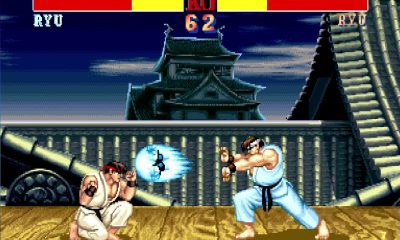
Considered a pioneer in the fighting game genre, “Street Fighter II” revolutionized competitive gaming and remains an e-sports favorite. This retro title, known for its iconic characters like Ryu and Chun-Li, has a dedicated community that organizes tournaments worldwide. With its strategic depth, precise execution of combos, and intense mind games, “Street Fighter II” provides an exhilarating competitive experience. Events such as the Capcom Pro Tour attract top players who vie for championship titles and substantial prize pools.
“StarCraft: Brood War” (1998)
“StarCraft: Brood War,” the seminal real-time strategy game from Blizzard Entertainment, continues to thrive in the e-sports realm. Widely regarded as the pinnacle of competitive RTS gaming, “Brood War” features deep strategy, meticulous micromanagement, and high-level decision-making. Its enduring popularity in South Korea is particularly notable, with dedicated professional leagues and fanatical fans. Players compete in grand tournaments like the ASL (Afreeca Starleague) to showcase their skills in intense battles for supremacy.
“Counter-Strike 1.6” (2000)
“Counter-Strike 1.6” is a classic first-person shooter that maintains a passionate following in the e-sports community. Known for its team-based gameplay, tactical depth, and precise gunplay, “CS 1.6” has seen numerous competitive tournaments and leagues. Players form teams, strategize, and execute precision-based maneuvers in search of victory. The game’s popularity has led to major tournaments such as the Intel Extreme Masters featuring “CS 1.6” alongside its modern counterpart, “Counter-Strike: Global Offensive.”
“Quake III Arena” (1999)
“Quake III Arena” is an iconic arena shooter that continues to captivate competitive players with its fast-paced action and skill-based gameplay. Known for its multiplayer duels and team-based modes, “Quake III Arena” demands lightning-fast reflexes, precise aim, and agile movement. Players compete in tournaments like QuakeCon, showcasing their mastery of strafing, rocket jumping, and aiming mechanics. The game’s challenging skill ceiling and competitive community keep it alive in the e-sports scene.
These are just a few examples of retro games that have successfully transitioned into e-sports titles. Their enduring appeal, dedicated communities, and challenging gameplay have allowed them to thrive despite the passage of time. The e-sports industry’s inclusivity and recognition of these classics reflect the appreciation for gaming history and the desire to celebrate the foundations of competitive gaming.
As e-sports continues to grow and evolve, it’s exciting to see how the intersection of old and new will shape the future of competitive gaming. The rise of retro e-sports not only provides a platform for nostalgic players to relive their favorite games but also introduces a new generation to the timeless classics that laid the foundation for the industry we know today.

- What No One Tells You About Retro Games as Stress Relief
- Does Gaming Identity Now Show Up More Through Fandom and Social Spaces?
- Game Boy Advance Nostalgia Meets Mobile Play: What Handheld Gaming Taught Us About Playing on the Go
- What the 90s Did For Gaming – A Revolutionary Era
- Why Retro Games Feel Right at Home in a Browser
- From Retro Slots to Browser Games: Why Simple Reward Loops Last
- The worst American football-themed video games ever made
- The Card Games That Taught Computers to Play
- When the Arcade Cabinet Was Part of the Game
- Bonus Stages in Modern Slots Have More in Common With Arcade Games Than You Think
- Hidden Chance Games Inside Classic SNES Titles
- Five Games for When You Just Want to Play
- The Real Market Behind Virtual Retro Goods
- How Clear Navigation Enhances Player Exploration in Digital Casinos
- Why Hardware Limits Made Retro Games Better Designed
- The Impact Of Retro Gaming On Adjacent Entertainment Sectors
- How Pixel Art Became Cool Again
- They All Started With Retro Games But Left the Biggest Impact in Esports
- The Coin-Collecting Thrill of Super Mario World
- How Mario Kart’s Item Box Won Players Over
- When Retro Games Hid Tiny Slot Machines
- Retro Gamers Keep Reviving Classic PlayStation Titles Through Browser Emulation
- Why Fast-Start Design Still Wins in Retro Gaming
- How Old-School Basketball Games Built a New Generation of Fans
- Pokemon Cloud White’s Wild Grass Surprises
- How 80s Arcade Design Powers Modern Games
- How Fearless Draft Is Reshaping Professional League of Legends
- How Super Mario RPG’s Timed Hits Shine
- How to optimize your browser for lag-free retro gaming in 2026
- The Technical Magic Behind Retro Gaming’s Most Massive Worlds
- How Gold Slot Themes Add Familiar Casino Style
- What Actually Happens on the Convention Floor Wi-Fi at a Retro Gaming Expo
- Why Hidden Unlockables Made Games More Memorable
- The Death of Cheat Codes and What Replaced Them
- Why Retro-Themed Slot Games Are Thriving in Ontario’s Licensed iGaming Market
- The Best Retro-Themed Online Slot Games Available Today
- How Arcade Classics Shaped the Design of Modern Online Slot Games
- Why Retro Games Still Read Better at a Glance
- The gaming market is booming and it’s bigger than you think
- How Secret Pro Player Stats Reveal The Most Broken Meta Picks You Should Abuse Today
- High Score Culture and Friendly Competition in Classic Arcade Gaming
- Why Fruit Symbols Remain Common in Slot Themed Video Games
- Maine: Shaping US iGaming Further
- The Role of Player Opinions in Creating Long-Lasting Games
- Gamification is changing online casinos and online games in a big way
- Red Is the New Gold: How Covert Skins Became the New Core of the CS2 Economy
- Why classic fruit symbols and lucky sevens outlived the hardware of early physical machines
- From Arcade Tokens to Digital Coins: How Coin-Op Gaming Grew Up
- Why Pokemon Cloud White’s Random Encounters Feel So Thrilling
- How Pokemon ROM Hacks Like Cloud White Built Their Appeal on Pure Randomness