Before online lobbies, giant bonus wheels, and slot games with enough effects to melt your screen, casino gaming was built on a smaller set of classics. These were the games that taught people how to chase a lucky streak, read a table, or grin at a spinning reel like it owed them money.

So, let’s talk about how the six most popular casino game types were once retro.
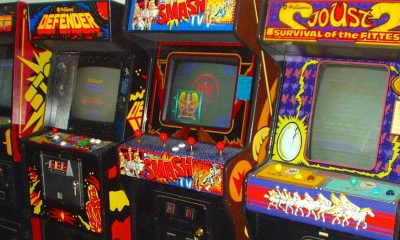
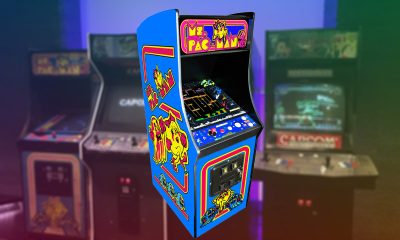
Slot Machines Were the Arcade Cabinets of the Casino Floor
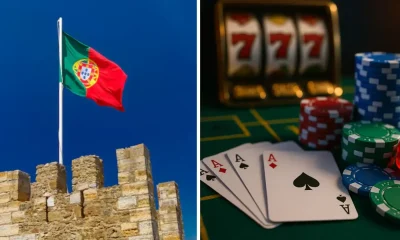
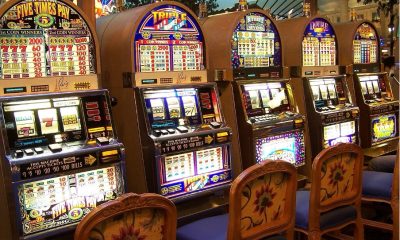
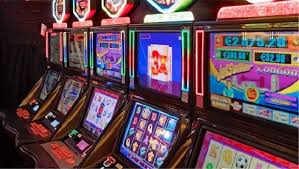
If one casino game deserves the word “iconic,” it is the slot machine. The roots go back to Charles Fey’s Liberty Bell in San Francisco. He invented the first coin-operated three-reel slot machine in 1895, and that basic three-reel idea still shapes slots now.
They had simple symbols, chunky mechanics, and that clean, no-nonsense loop that felt a lot like early arcade design. Pull lever. Watch reels. Hope for the best. The machine did not need a thousand side features because the suspense carried the whole thing.
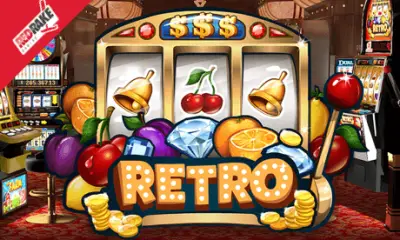
What makes slots special is how easily they survived every tech shift. Mechanical reels became video reels. Fruit symbols stuck around. Bonus rounds got louder. Yet the core feeling stayed the same. You still get that tiny jolt when the reels slow down, and two matching symbols line up.
Surprisingly, most of the newest online casinos on the market still carry classic-style slots because players never really got tired of them.
Roulette Turned Pure Chance Into a Show
Roulette has always had style. Even people who know nothing about casino games know the wheel, the ball, and that strange pause before the result lands. Roulette developed mainly in France, and even the name means “little wheel.”
You picked a number, a color, or a section of the table and let the wheel do its thing. It felt dramatic without being complicated. That gave it wide appeal, especially for players who wanted the thrill without needing card skills.
A lot of casino games became more digital over time, but roulette always had that visible center. You could watch the whole result happen in front of you.
It also helped that roulette looked cool. It simply has a presence. It made casino floors feel classy, and it still brings that same mood online, even when it is running through a live stream instead of a real room.
Blackjack Made Players Feel Smart
Blackjack never looked as flashy as roulette, and it never had the weird mechanical charm of slots. What it had was something different. It made players feel like their choices mattered.
The game gave players just enough control to feel involved. Hit, stand, split, double. Those choices were simple, but they gave you the sense that you were doing more than waiting for luck.
Blackjack also became a cultural giant because it was easy to learn but hard to master. You could teach it in a few minutes, but serious players would spend years talking about strategy charts, deck counts, and bad table decisions.
Retro gamers still connect with blackjack for the same reason they connect with old strategy games. It has a clean ruleset. It does not waste your time. When you sat down at a blackjack table, you were looking for a fair shot and a little edge, even if the house still had the last laugh.
Baccarat Kept It Cool and Never Tried Too Hard
Baccarat has always had a different energy. It never chased the broad appeal of slots or the “anyone can jump in” chaos of roulette. It felt quieter, cleaner, and a little more serious. It resembles blackjack in some ways, but is simpler in structure.
That simplicity is a huge part of its charm. You are usually betting on the player hand, the banker hand, or a tie. That is it. The game moves with a calm rhythm, and that calm made it feel classy for decades.
Older players loved baccarat because it looked refined without being hard to follow. You could sit at the table, understand the core idea quickly, and still feel like you were part of something with a bit of old-world shine. It carried that James Bond aura for a reason.
Craps Brought Pure Noise and Chaos
If roulette was elegant and baccarat was cool, craps was the loud one. It was the game with shouting, crowded tables, fast hands, and that wonderful sense that something slightly unhinged might happen at any second. Britannica calls it possibly the world’s most common gambling game with dice, and that feels about right.
Craps stood out because it turned the whole table into a group event. You were reacting with everyone else. When the shooter got hot, the table felt electric. That social charge made the game unforgettable.
It also had a kind of scrappy charm. The rules could look intimidating from the outside, sure, but once you got the basic flow, the game started making sense. Pass line. Come out roll. Point. It was noisy, but it had structure. And for players who liked action, few games hit harder.
That old-school energy is why craps still gets remembered so fondly. It was a crowd game. It gave casino floors some of their best movie scenes and some of their loudest real-life ones, too.
Video Poker Brought the Casino Into the Button Age
Video poker deserves a place on this list because it marks the moment casino classics started blending with digital game design. They became a major economic mainstay of American casinos from the 1980s onward.
Video poker landed right when players were getting more comfortable with screens, buttons, and electronic play. It kept the bones of draw poker, but it packed them into a machine that was faster, cleaner, and easier to play alone.
The appeal was obvious. You still made decisions. You still held cards and chased strong hands. But the machine did the dealing, the payouts, and the awkward waiting. That made it feel smooth in a way old table poker did not.
Retro gamers still appreciate video poker because it has that same stripped-down digital feel as early electronic games. The graphics were simple. The rules were clear. The loop was addictive. It did not need to pretend to be anything else. It just worked.
Why These Games Still Matter Now
There is a reason these games still show up everywhere. They are easy to understand, easy to remember, and very hard to kill off. You can dress them up with better graphics, louder sound, and extra features, but the basic pull stays the same. A good slot still lives or dies on timing. A good blackjack hand still works because you feel involved. A good roulette spin still creates that weird little pause where everyone waits for the same thing.
That is what newer games keep borrowing. They may look more modern, but they are still built around old ideas that worked years ago. Clear rules. Fast tension. One more round. That formula is older than most apps people use now, and it still does the job.
Maybe that is the real reason these classics matter. They were simple without being dull. They gave people a clear reason to stay at the table without burying them under noise. A lot of modern games still want that same feeling. They just package it differently.