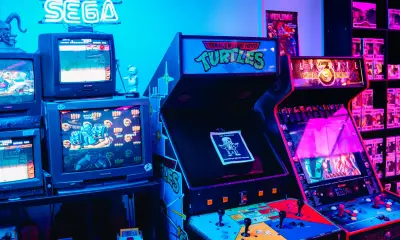
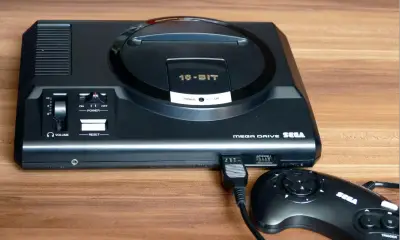
Retro games did not have the storage space or hardware horsepower to hide behind endless content. They had to win you over with smart loops, clear feedback and that one more try feeling. Think of how a simple arcade shooter uses flashing rewards, rising tension and a dramatic sound cue to make a tiny moment feel huge.
Modern digital games still borrow those tricks. Battle passes lean on progress bars, roguelikes build anticipation through risk and reward and even casual mobile titles use throwback-style animations to make rewards land with impact. You see the same design DNA in casino bonus games too, where pacing and payoff can be the difference between a satisfying feature round and a forgettable one. When you want to compare bonus mechanics across games, real money online pokies offers a straightforward overview that makes it easier to notice recurring feature patterns.
Why old-school design still works
Retro mechanics are timeless because they match how players actually pay attention. You do not need a tutorial to understand a meter filling up or a flashing indicator that something special is about to happen. A lot of the best ideas from older games fall into a few categories.
- Readable signals: Big icons, obvious triggers, simple prompts
- Escalation: The sense that something is building toward a moment
- Short loops: Small wins that keep you engaged while you chase a larger event
- Celebration: Sound and animation that makes rewards feel real
These are not nostalgia for nostalgia’s sake. They are usability. They reduce cognitive load, keep the action moving and make outcomes feel clear even when the underlying rules are complex.
The bonus bar is basically the arcade score meter
One of the most common retro-inspired mechanics in modern bonus games is the progress meter. In classic arcade titles, the score counter and extra life thresholds create mini-goals that push you forward. You are not just surviving, you are watching a number climb toward something.
In slot design, the same concept shows up as:
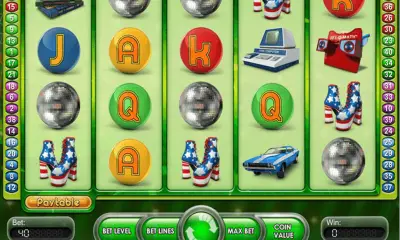
- a bonus bar that fills with symbols
- a counter that tracks collected items
- a multi-step feature ladder where each step unlocks a stronger effect
The player experience is similar. You get regular feedback that you are moving somewhere, even when the big trigger has not arrived yet.
Good versions of this feel fair and readable. You can tell what counts, what does not and how close you are. Weak versions hide progress behind tiny UI elements or unclear rules which turns anticipation into confusion.
Risk and reward from roguelikes to pick-and-click bonuses
Roguelikes made risk feel exciting by forcing you to choose a path. Do you take the safe room with a small reward or gamble on the harder encounter for a better payout? The power comes from agency, not certainty.
Modern bonus games echo this with choice mechanics like:
- Pick a symbol. You select from facedown icons, hoping for multipliers, free spins or upgrades.
- Choose a door or chest. A familiar arcade and RPG trope that creates tension even when the choice is random.
- Hold or gamble features. A player decides whether to lock in a reward or risk it for a bigger one.
This is where retro influence is at its strongest. The interaction feels like a mini-game, not a spreadsheet. The downside is that choice-heavy bonuses can frustrate players if outcomes are too opaque or if the penalties feel punishing.
Designers can make these mechanics feel better by keeping the rules simple and making outcomes obvious. When the player understands the stakes, the choice feels fun rather than stressful.
Audio, animation and the art of the buildup
Retro games were masters of hype because they had to be. A flashing screen, a siren sound, a slow zoom, these cues told you something mattered. Modern bonus games use the same toolkit, just with higher production value.
Look for these throwback-style techniques:
- Pre-trigger teases where near-misses or partial collections raise tension
- Screen transitions that separate base play from bonus play like entering a new level
- Layered audio cues that intensify as a feature builds
- Big reveal moments where the game pauses before showing a multiplier or win
When done well, it feels like a classic boss intro. When done poorly, it feels noisy or drawn out, especially on mobile where players want snappy pacing.
A good rule for bonus pacing is that the buildup should be shorter than the payoff. If the game spends too long teasing, the feature can feel like work.
What to watch for if you love the retro feel
If you are drawn to bonus games that feel like old-school arcade moments, you can usually spot them by how they handle feedback and momentum.
Here is a quick checklist you can use when trying new titles.
Retro-style bonuses often have
- clear progress indicators you can read at a glance
- a sense of stages like levels or rounds
- interactive moments that mimic arcade mini-games
- simple rules that you can learn in one feature trigger
Less satisfying bonuses often rely on
- overly long animations with little payoff
- tiny text-heavy popups that break flow
- unclear trigger conditions that feel random
- complicated rules that you only understand after multiple attempts
The sweet spot is a bonus that feels like a game inside the game. You should be able to enjoy the feature even if it does not deliver a massive outcome because the interaction itself is fun.
Retro design is not just a theme, it is a craft
It is easy to slap pixel art on a screen and call it retro. The better games borrow the structure, not just the visuals. They use clear signals, short loops, tension build and moments of player agency to make bonus rounds feel memorable.
That is why retro mechanics keep showing up in modern bonus games. They are efficient. They respect attention. They make outcomes feel meaningful. When you notice the patterns, you start seeing modern features as evolutions of classic arcade ideas, just remixed for today’s screens and play styles.

- Top Portugal Gambling Platforms with Fast Withdrawal Solutions in 2026
- Retro Casino Classics That Defined a Generation of Gamers
- From arcade reels to pixels – why retro slot machines still feel like games
- Mobile Sweepstakes Gaming: Best Platforms to Play on the Go
- A Sealed Copy of Super Mario Bros Sold for $2 Million and a CS2 Knife Sold for $400,000 and Both Prices Follow the Same Logic
- How to Start Your Own Retro Game Collection
- Why Retro Games Still Captivate in the Age of Modern Play
- From Retro to Modernity at the UK’s Newest Online Casinos
- How Germany’s €1 stake limit influences online slot mechanics and pacing
- Online Casino Players Are Becoming Smarter Consumers
- Why Canadian Strategy Gamers Are Trading Their Joysticks For Roman Building Permits
- Arcade Roots and the Mobile Dominance of Modern Gamers
- How 80s and 90s Classics Still Shape Modern Game Design
- How Echoes Of 80s And 90s Gaming Can Be Seen In Today’s Gaming
- Maine Reconsiders Online Casino Legislation After Governor Delays Approval
- When Were Slot Machines Invented? Before Video Games Took Over
- Progressive Jackpot Slot Machines: The Mechanics of Big Wins
- How Classic Games Are Shaping the Future of Online Entertainment
- The Enduring Influence of Retro Game Design on Modern Online Slots
- Top Gaming Genres Influencing Casino Play in Malaysa
- FoxSlots Casino Review – Registration & Login Guide
- Retro Gaming on Mobile: Why Classic Games Feel Better on Phones Now
- Online Casino Operators Integrating Seamless Login Tech to Improve Player Experience
- Mastering Zenless Zone Zero V2.5 Rerun: A Guide to New Mechanics and Characters
- The Fastest Ways to Catch Up in WoW Right Now Without Playing 6 Hours a Day
- When Retro Gaming Meets Gambling in Pakistan
- When joysticks met jackpots – retro games’ quiet influence on modern play
- Social casino big pirate: Big Pirate Social Style and Modern Gaming Culture
- Why Retro Games Trigger The Same Thrill As High-Stakes Moments: A Look At Risk, Reward, And Player Psychology
- The Philippines’ Gaming Economy: A Gateway to Online Casinos
- From Classic Mechanics to Modern Formats How Slot Games Continue to Evolve
- Why 2026 Could See More Pressure on Gamers’ Wallets
- Lives, Levels, and Limited Chances: How Retro Games Taught Players to Manage Risk
- Influence of retro games on modern gaming platforms
- Why Retro Gaming is Surging…And Will It Continue?
- The ‘Retro’ Component in Gaming Marketing & How iGaming Industry is Using it Wisely
- Retro Mechanics That Power Modern Bonus Games
- How retro gaming shapes modern online platforms
- What Makes Real Money Online Casinos Appealing to Players?
- From Arcade Cabinets to Browser Tabs: How Retro Gaming Went Digital
- From Arcades to Apps: Decades of Gaming Culture
- On-Chain Game Design: What Web3 Actually Adds to Core Gameplay
- The Revival of Retro Games – The Best Setup for the Real Feel
- How Developers Make Money from Free-To-Play Games
- How Retro Level Design Explains Modern Jackpot Lobby Themes and Player Navigation
- What Features Players Look for the Most in Retro Online Casino Games
- The Journey of Arcade Games into Blockchain Slots
- When Classic Design Meets Modern Tech: How Old-School Games Inspire Today’s Live Platforms
- Retro Slot Games: Still a Good Bet?
- The State of Casino Gaming on the Nintendo Switch in 2025