Online casino game themes used to be decoration. In 2026, they behave more like UX frameworks that sit on top of the math and mechanics. They now help players decide what feels trustworthy, fair, and worth spending time with, even when the underlying game logic is similar.
What Online Casino Game Themes Are
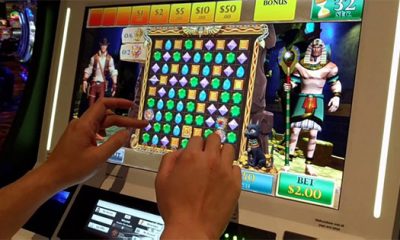
A theme is more than a background image or a set of symbols: it’s a coherent layer that combines visuals, micro narratives, sound design, typography, and even pacing.
Modern casino games treat themes as frameworks that define the world the player is stepping into, similar to how a video game franchise defines its universe. That world can be mythological, sci-fi, sports aligned, or styled like a social app. These elements collectively influence mood, perceived risk, and the sense of what kind of experience the player is about to have.
Themes As UX Layers, Not Just Skins
For most platforms, the core mechanics are modular. Slots, live tables, and crash-style games can be skinned in many ways without changing the underlying game mechanics.
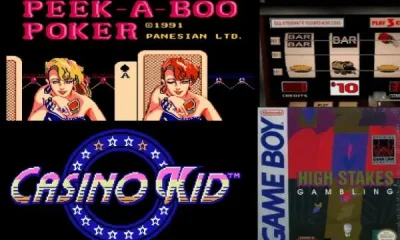
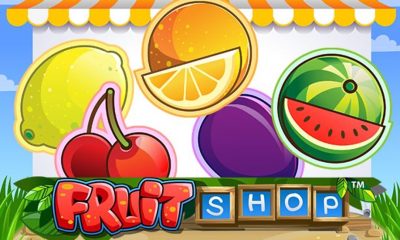
Layouts, motion patterns, and how information is surfaced are all tied to the theme. A minimalist cyberpunk slot may show clean win breakdowns and transparent RTP messaging, while a nostalgic fruit design might lean on simpler, retro-style interfaces.

How Themes Shape Trust and Perceived Fairness
Trust is heavily visual and emotional, and many UX trust signals come from stability, clarity, and coherence in the theme.
Clean typography, readable win histories, calm color palettes, and consistent animations tend to signal control and reliability. Overly chaotic visuals, flashing cues, or cluttered thematic layers can have the opposite effect, especially in stricter markets where regulators already push against high-intensity design.
Licensed or branded themes can also borrow credibility from known IP, particularly when paired with transparent information about odds and rules. The combination of familiar worlds plus clear UX often feels safer than abstract or confusing designs, even when the underlying probabilities are identical.
Emotional Immersion and Session Length
Themes shape emotional state. Color, sound, and micro-narrative beats can make a game feel relaxed, playful, cinematic, or high-stakes. That emotional context often correlates with how long someone stays in a session.
Progress indicators, small story arcs, and evolving environments encourage players to explore one more spin or one more round to see what happens next. Conversely, stripped-back, low-stimulus themes are increasingly used in mature markets to respect regulatory expectations around intensity and pacing, while still providing a readable interface.
Narrative-Driven Design and Progression Systems
One of the big shifts in 2026 is the move toward narrative-driven and progression-based themes, clearly influenced by mainstream gaming.
Instead of standalone spins, games introduce campaigns, chapters, or character journeys. Wins and losses both feed the story: unlocking cut scenes, side missions, cosmetics, or map progress. This mirrors battle pass systems and seasonal content in video games, but mapped onto gambling mechanics.
Soft Gamification and Casual Framing
Soft gamification is another core trend. Instead of aggressive leaderboard pressure or intense competitive framing, themes lean into casual progress: badges, streak markers, light collectables, and small meta goals.
Visually, these games often resemble mobile free-to-play titles more than traditional casino products. Interfaces de-emphasize chip stacks and hard win messaging, and lean into XP bars, cosmetic unlocks, and social or cooperative motifs.
Licensed IP and Cultural Familiarity
Licensed IP is now a strategic tool, not just a marketing overlay. Casino games borrow from films, music, esports aesthetics, anime, and local pop culture to reduce the cognitive distance between gambling and other forms of digital entertainment.
Regionally, the chosen IP and cultural motifs differ. Asian markets lean more toward anime, mythology, and futuristic cityscapes. European audiences often see historical, luxury, or classic casino themes. In Latin America and parts of Africa, bright colors and social game aesthetics from mobile titles are common.
For designers, the IP provides instant affordances. Players know what the world means before they read any rules, which can make complex mechanics feel more approachable. It also increases the responsibility to avoid harmful stereotypes or misused cultural symbols, especially when themes draw from specific traditions.
Mobile First Layouts and Interaction Patterns
Most themed experiences in 2026 are mobile-first. Vertical layouts, thumb reachable controls, and compressed information hierarchies all influence how the theme is experienced.
On small screens, themes must balance user-friendliness with personality. That means fewer tiny icons, clearer contrast, and careful use of motion so the game feels dynamic without being visually noisy.
Sound is also better tuned for mobile. Short audio cues, ambient loops, and subtle voice lines build atmosphere without demanding full attention in public or multitasking contexts. Sound here supports the theme in the same way notification sounds support messaging apps: brief, recognisable, and tied to state changes.

Regulation, Regions, And Responsible Design
Regulators increasingly influence theme design. In the UK and parts of Europe, rules are pushing against high-intensity visual and audio cues, especially those that suggest urgency or exaggerated rewards. This has nudged themes toward calmer palettes, slower animations, and clearer disclosure of probabilities.
In regulated US states, such as those offering Online Casino Games in Pennsylvania, similar guidance shapes how themes signal rewards, risk, and control, with more emphasis on clear messaging and less on aggressive visual prompts. Designers working across markets often build one core theme system and then tune intensity, copy, and pacing to fit each regulatory environment.
In emerging or lightly regulated markets, designers sometimes move in the opposite direction, experimenting with more game-like and energetic themes that feel closer to mobile gacha or battle royale interfaces. Globally, there’s a visible blend of video game culture and gambling mechanics, with progression systems, lore, and avatars becoming standard elements.
Across all regions, responsible design means treating themes as more than decoration. Choices around color, pacing, copy tone, and narrative stakes can either support or undermine safer play. Designers and product teams are increasingly expected to consider that impact, not just engagement metrics.
Game Themes Will Continue to Evolve
For tech-curious readers, online casino themes in 2026 are best understood as UX and product design tools that sit on top of stable math. They shape perception of trust, emotional immersion, and fairness long before any outcome is resolved.
As online gambling keeps overlapping with broader digital entertainment, themes will continue to borrow patterns from games, apps, and streaming interfaces. The challenge is to build worlds that are engaging and culturally relevant while staying transparent, readable, and responsible for a global, mobile first audience that already understands how digital systems try to hold attention.