The 1990s did not just give gaming better graphics. The decade changed what a game could be and who could be on the other side of the screen.
Home consoles became more powerful during this time. PCs found their own gaming identity and 3D worlds started replacing the flat levels that had dominated much of the previous era. The internet was also setting up an even bigger change.
A surprising amount of modern gaming can be traced back to those ten years.
Online Gaming Started to Feel Possible
Internet gaming in the 1990s looked nothing like the smooth online experience people expect today.
Dial-up connections were slow. The lag was common. Even simply getting connected could take some patience. Developers quickly realized that the internet could turn gaming into something much bigger than a local activity.
Casino gaming was one of the industries to make an early move online. By the middle of the decade, casino-style games were appearing on the internet. Poker followed later in the 1990s as the first real-money online poker rooms emerged.
Those early poker games were extremely basic compared with modern platforms. The graphics were simple. The tables were limited and mobile play was still a long way away. Yet players no longer needed to be in the same physical room to share a poker table thanks to the new technology of the era.
That experiment eventually helped create an enormous online gaming industry.
Playing poker online has now become a very straightforward process. It can be played on phones and tablets easily. Some online casinos contain thousands of slots and live-streamed experiences. Broader online gaming has grown even further. Huge numbers of players connect through impressive virtual worlds.
The 1990s version looked primitive. The idea behind it was anything but. It proved to be one of those eras where we took a great leap forward.
PC Gaming Helped Build Online Multiplayer
PC games were especially important in proving that online multiplayer could work.
Doom had already shown the appeal of networked shooting. Games like Quake in 1996 pushed multiplayer further during the second half of the decade. Players could increasingly find opponents through the internet.
Strategy games joined the party too.
StarCraft became a huge multiplayer title. Other games such as Command & Conquer helped establish real-time strategy as one of the defining PC genres of the period.
These games did more than provide online modes. They helped create communities around matches and competitive play.
That culture eventually fed into esports and the huge online multiplayer ecosystems that followed.
3D Changed How Games Were Designed
The jump to 3D was probably the most obvious revolution of the decade.
Earlier games had experimented with three-dimensional environments. The 1990s made them increasingly normal.
Players were now thinking about cameras and viewpoints as well as character movement.
Developers had to learn completely new rules about navigation and controls. Some early experiments were awkward. That slightly messy period was necessary.
The giant open worlds of modern gaming would look very different today without the shift to 3D design.
The 90s Created Franchises That Refuse to Disappear
One of the strangest things about 1990s gaming is how many names from the decade are still everywhere.
Grand Theft Auto first appeared in 1997 with a top-down perspective that looks dramatically different from the later games. The series eventually moved into full 3D and became one of gaming’s biggest franchises. It is amazing that the original game can be played on a browser now while the sixth instalment is set to be one of the most ambitious games ever.
Resident Evil arrived in 1996 and helped popularize survival horror. Its mixture of limited resources and puzzle-solving created a formula that has survived through sequels and reinventions.
Fallout also began in the decade. The game launched in 1997 as a very different-looking RPG from the later first-person entries.
Many of these franchises have changed almost beyond recognition. But their names continue to sit on modern release calendars.
Shooters Found Their Modern Shape
The 1990s were also crucial for first-person shooters.
Doom became one of the decade’s defining PC games. It had fast combat and a thriving modification scene.
Then Quake pushed fully 3D environments and online multiplayer further.
Then Half-Life did something else entirely by weaving story events into the action without constantly pulling players into separate cutscenes.
Those ideas sound normal now because so many later games borrowed from them.
RPGs Started Getting Much Bigger
Role-playing games also went through an interesting period.
PC titles such as the original Baldur’s Gate offered detailed characters and plenty of player choice. Japanese RPGs were reaching much wider audiences on consoles.
Final Fantasy VII became particularly important because its cinematic presentation helped turn an already successful series into a global gaming name.
Many of the genre’s modern habits were becoming established.
Retro Gaming Keeps the Era Alive
Another reason the 1990s still loom so large is that the games have not vanished.
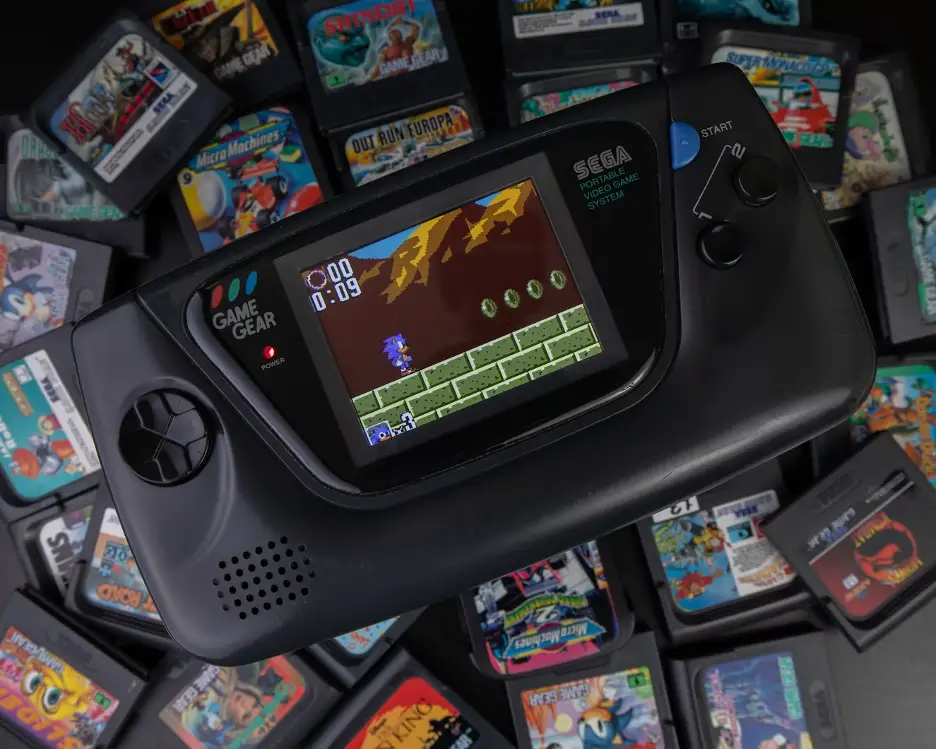
Retro consoles and emulation have helped keep old titles accessible. Some players revisit games they remember. Many even discover them decades after release.
Pixel art and early 3D styles have even returned as deliberate artistic choices.
Modern indie developers regularly borrow ideas from 1990s games rather than trying to hide those influences.
The decade has become something developers can reference almost like a visual genre of its own.
Gaming changed enormously during the 1990s because several revolutions happened at roughly the same time. The 90s were rough around the edges. They were also revolutionary and crucial for the way gaming works now.