Retro games rarely needed a long explanation. You saw the screen, understood the danger and pressed start. The loop was usually clear within seconds: move, dodge, shoot, jump, collect, survive, score higher.
That is still why retro game design works so well online. A browser tab may have replaced the arcade cabinet, but the strongest old-school loops still know how to earn attention quickly.
Five Reasons The Loop Still Works
Simple retro games continue to hold up because their structure is easy to understand before the player has invested much time.
- The goal is visible. The player usually knows what to avoid, collect or defeat almost immediately.
- The feedback is fast. A mistake, score or success appears without delay.
- The restart is painless. Losing does not feel like a major commitment.
- The rules are familiar. Movement, timing and scoring often make sense right away.
- The next attempt feels close. A better run always seems possible.
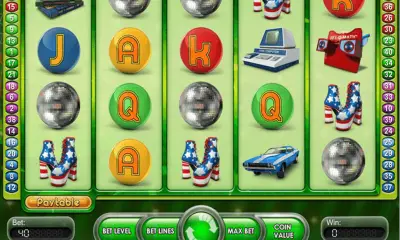
Modern chance-based entertainment can show a related version of that short-loop logic. Online slot games use a different format from retro arcade titles, but they still rely on clear rules, fast outcomes and repeatable actions to make the basic experience readable quickly.
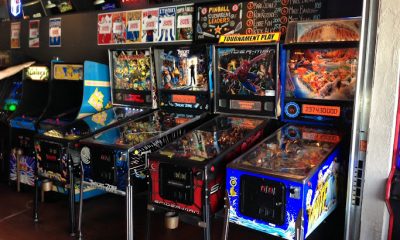
The Arcade Cabinet Only Had Seconds To Explain Itself
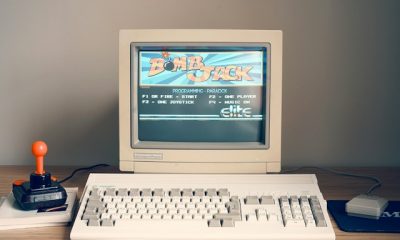
An arcade game had to earn attention fast. A player might only have one coin and a few seconds to decide whether the game made sense. The rules had to be visible. The goal had to be obvious. The first mistake had to teach something.
That same design pressure exists online. A browser player may not be spending a coin, but attention is just as limited. If the game feels confusing, slow or overloaded, the tab closes.
The Play MAME Games section on Play Retro Games shows why arcade-style games still translate well to browser play. These games are built around quick recognition: simple controls, immediate goals, visible scores and the feeling that one better run is always possible.
A strong retro loop does not need to explain everything. It only needs to make the next attempt feel tempting.
Preservation Turned Old Loops Into Browser Habits
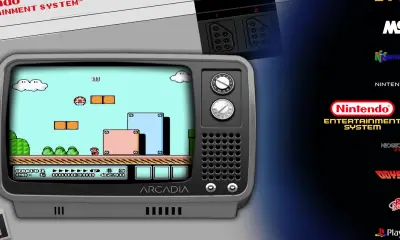
Retro gaming online is not only nostalgia. It is also preservation, access and convenience. Games that once required a cabinet, cartridge or specific machine can now be studied, replayed and rediscovered through modern platforms.
The Internet Archive’s Internet Arcade makes that shift visible. It brings coin-operated arcade games from earlier decades into the browser, letting players experience older design structures without the original hardware.
That changes how retro games live. They are no longer only memories, collector items or museum pieces. They become playable loops again.
The Loop Is Older Than The Platform
The arcade loop is simple but flexible: start quickly, understand the rule, make a move, see the result, try again. That pattern appears far beyond classic cabinets.
The Library of Congress interview on video game preservation helps explain why those older structures are still worth keeping accessible. Preserving games is not just about saving files. It is about keeping interactive design history available enough to understand how players, systems and technology shaped each other.
Modern browser games, mobile games and other digital formats all borrow pieces of that rhythm. The format changes, but the appeal of a short, readable loop remains familiar.
Retro games still work online because they respect the first few seconds. They give the player something to do, something to watch and something to improve.
A modern game can be bigger, longer and more complex, but the arcade lesson has not disappeared. If the loop is readable, the player is more likely to stay. If the result is immediate, the next attempt feels close. And if the challenge is clear, even an old game can feel alive in a new tab.

- Game Boy Advance Nostalgia Meets Mobile Play: What Handheld Gaming Taught Us About Playing on the Go
- What the 90s Did For Gaming – A Revolutionary Era
- Why Retro Games Feel Right at Home in a Browser
- From Retro Slots to Browser Games: Why Simple Reward Loops Last
- The worst American football-themed video games ever made
- The Card Games That Taught Computers to Play
- When the Arcade Cabinet Was Part of the Game
- Bonus Stages in Modern Slots Have More in Common With Arcade Games Than You Think
- Hidden Chance Games Inside Classic SNES Titles
- Five Games for When You Just Want to Play
- The Real Market Behind Virtual Retro Goods
- How Clear Navigation Enhances Player Exploration in Digital Casinos
- Why Hardware Limits Made Retro Games Better Designed
- The Impact Of Retro Gaming On Adjacent Entertainment Sectors
- How Pixel Art Became Cool Again
- They All Started With Retro Games But Left the Biggest Impact in Esports
- The Coin-Collecting Thrill of Super Mario World
- How Mario Kart’s Item Box Won Players Over
- When Retro Games Hid Tiny Slot Machines
- Retro Gamers Keep Reviving Classic PlayStation Titles Through Browser Emulation
- Why Fast-Start Design Still Wins in Retro Gaming
- How Old-School Basketball Games Built a New Generation of Fans
- Pokemon Cloud White’s Wild Grass Surprises
- How 80s Arcade Design Powers Modern Games
- How Fearless Draft Is Reshaping Professional League of Legends
- How Super Mario RPG’s Timed Hits Shine
- How to optimize your browser for lag-free retro gaming in 2026
- The Technical Magic Behind Retro Gaming’s Most Massive Worlds
- How Gold Slot Themes Add Familiar Casino Style
- What Actually Happens on the Convention Floor Wi-Fi at a Retro Gaming Expo
- Why Hidden Unlockables Made Games More Memorable
- The Death of Cheat Codes and What Replaced Them
- Why Retro-Themed Slot Games Are Thriving in Ontario’s Licensed iGaming Market
- The Best Retro-Themed Online Slot Games Available Today
- How Arcade Classics Shaped the Design of Modern Online Slot Games
- Why Retro Games Still Read Better at a Glance
- The gaming market is booming and it’s bigger than you think
- How Secret Pro Player Stats Reveal The Most Broken Meta Picks You Should Abuse Today
- High Score Culture and Friendly Competition in Classic Arcade Gaming
- Why Fruit Symbols Remain Common in Slot Themed Video Games
- Maine: Shaping US iGaming Further
- The Role of Player Opinions in Creating Long-Lasting Games
- Gamification is changing online casinos and online games in a big way
- Red Is the New Gold: How Covert Skins Became the New Core of the CS2 Economy
- Why classic fruit symbols and lucky sevens outlived the hardware of early physical machines
- From Arcade Tokens to Digital Coins: How Coin-Op Gaming Grew Up
- Why Pokemon Cloud White’s Random Encounters Feel So Thrilling
- How Pokemon ROM Hacks Like Cloud White Built Their Appeal on Pure Randomness
- How Pokemon Cloud White and GBA Fan-ROMs Brought Luck-Based Minigames Back to Retro Play
- The Hidden Game Corners of Pokemon, Super Mario RPG, and Final Fantasy