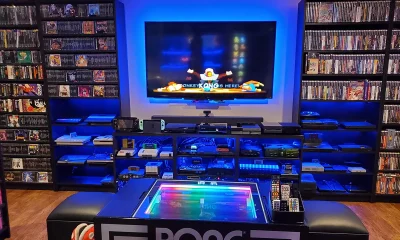
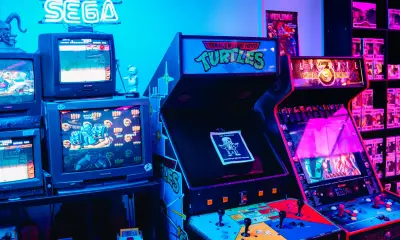
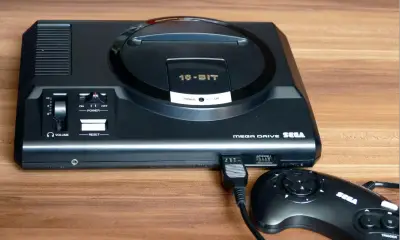
It’s evident that we have been experiencing something of a retro games boom at the moment. The prevalence of retro gaming websites, simulators, and even the sales of retro consoles and physical games is bigger than ever before.
It is, of course, a characteristic of modern gaming that we expect everything to be playable instantly. It does not matter if your preference is AAA games like Call of Duty, casual games like Candy Crush, or explosive slot titles like Chilli Heat Megaways; our expectation is that we can play when we want and how we want.
Yet, if you go back to your childhood, the wait for a physical copy of a game could feel interminable. There was the cost, too, for sure, but you would also have the knowledge that a game might be released somewhere like Japan a year or two before it became available in your part of the world.
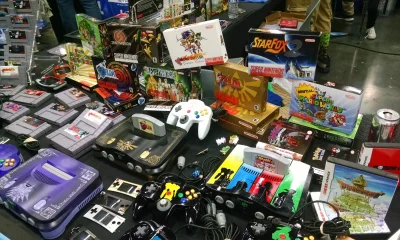
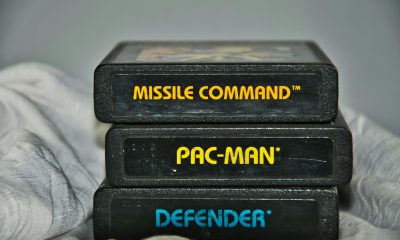
However, if you managed to get a hold of that popular Atari or Nintendo game, did you keep it? It might be worth finding out because many of the most popular retro games from the 1980s and 1990s sell at surprising prices today.
To an extent, we can split sought-after retro titles into two categories. There are the games that were – and remain – hugely popular. Collectors usually ask for mint condition copies of these titles. And there are the ultra-rare games that can fetch huge prices.
The big-name titles fetching big money
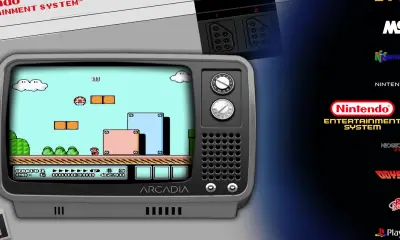
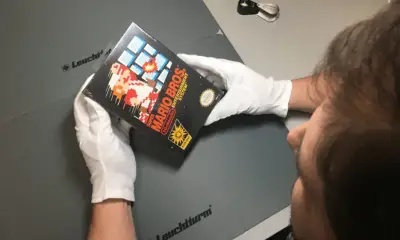
To give you an example, the original Super Mario Bros. for the NES can sell for around $200 a go. That price can be fetched if the game is CIB (complete in box), meaning it has all the materials like instruction manuals. Like book collecting, rarity can be the key, so collectors look for stuff that indicates the copy is part of the early run.
For instance, with Super Mario Bros., the early copies had no ™ trademark symbols on the print. Pristine copies have been known to sell for six figures. If your original Super Mario Bros. game is simply a loose cartridge, you can still get from $20-$50 for a sale.
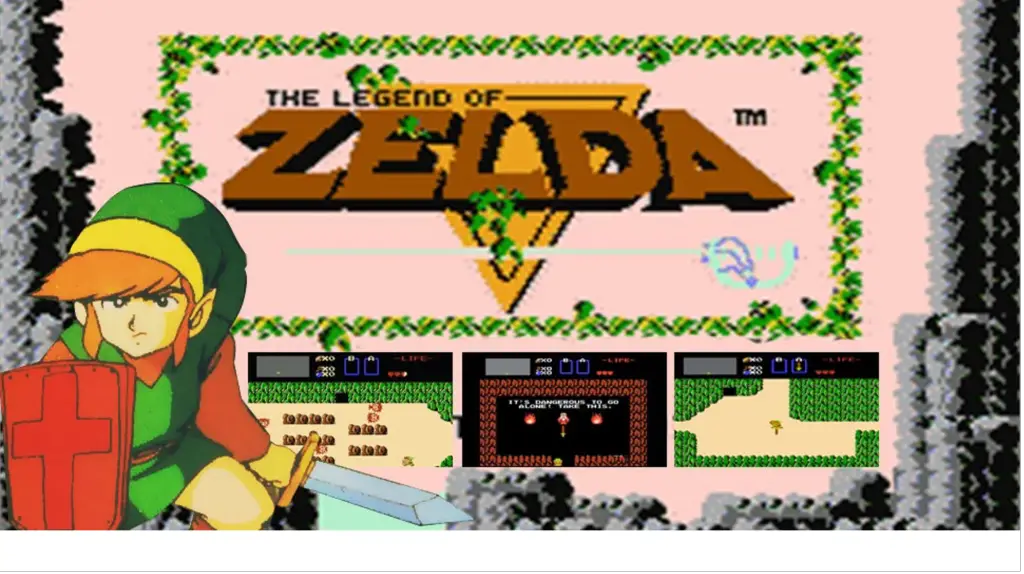
As with Mario, you can expect a similar market for NES classics like The Legend of Zelda and Donkey Kong. Again, having the box is an important part of it, and the higher prices go for the mint condition copies with all the materials.
Going into the 1990s, and there is demand for SNES games like Super Mario World, which can fetch around $200 for sealed, pristine copies. Pokémon Red/Blue Gameboy games are also in demand, with high-grade copies going for huge sums.
The rare games that send collectors into a frenzy
While you could make a steady income sourcing and selling Nintendo classics, the real money is in ultra-rare games. A case in point is Stadium Events, a 1990 release that is seen as one of the rarest Nintendo games ever. If you somehow have a sealed copy of that in your attic, it could be worth around $30K. Another rare NES title is Little Samson, which can fetch $2K for mint condition copies.
If we look at Atari games, then you can find some huge prices for obscure games. One of the most notable examples is Red Sea Crossing, an ultra-rare Christian-themed game that was released in 1983. Very few copies were ever released, but even the loose cartridges can go for upwards of $10K. If it is sealed and in mint condition, you might get three times as much.
The rules of the game
We mentioned rare book collecting earlier, and that’s a good way to think about valuable physical copies of games. Just as rare first editions of books are characterized by errors in the text, so, too, do rare video games have certain oddities that set them apart. The serious collectors willing to buy for serious money will always be looking for mint condition copies, preferably sealed, but if you have all the materials, it can be a difference-maker.
Yet, overall, you might be surprised as to what some collectors will pay – even for games that you have played 1000s of times. There are some platforms dedicated to educating people on the value of their retro games, so make sure you know exactly what it’s worth before you decide to sell.