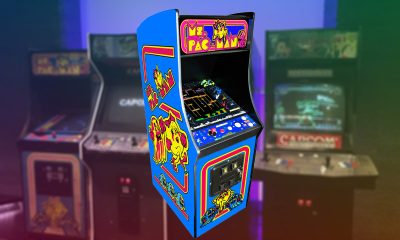
Retro games evoke nostalgia, transporting players back to a simpler era. Their pixelated graphics, catchy tunes, and straightforward gameplay captured the imagination of an entire generation. Today, designers harness this nostalgia to infuse modern games with a touch of retro charm.
Design Elements – Lessons from the Past
Retro games offer a treasure trove of inspiration for contemporary iGame designers. The fundamental mechanics found in classic side-scrolling adventures, the enduring appeal of iconic character archetypes, and the simplicity of basic colour schemes serve as foundational elements guiding today’s designers. These timeless components, borrowed from the past, are ingeniously woven into modern game designs, fostering engaging experiences that resonate with today’s diverse audiences. By integrating these elements, designers pay homage to the essence of retro games while crafting innovative and immersive online gameplay that captures the spirit of classic gaming for today’s players.
Gameplay Mechanics and Innovation
Retro games pioneered the establishment of fundamental gameplay mechanics that continue to influence modern iGame design. These simple yet addictive elements laid the groundwork for today’s gaming landscape. Classic platforming challenges, the art of puzzle-solving, and straightforward control schemes introduced by earlier games maintain their relevance by being reimagined with modern twists. iGame designers draw inspiration from these foundational mechanics, infusing innovation and creativity to captivate today’s audience. By infusing contemporary gaming experiences with the essence of these classic elements, designers honor the legacy of retro games while simultaneously pushing the boundaries of innovation, offering players a blend of nostalgia and cutting-edge gameplay that appeals to both seasoned gamers and a new generation of players.
Aesthetic Appeal – Embracing Pixel Art and Simplicity
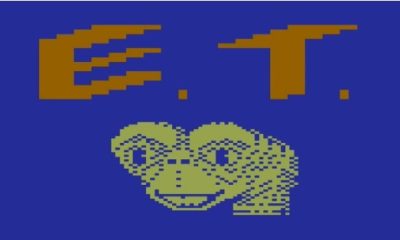
The resurgence of pixel art aesthetics from retro games has made a profound impact on modern iGame design. These charmingly nostalgic visuals have found their way into contemporary games, as designers recognize their unique appeal. Pixel art, known for its simplicity and artistic limitations, offers a refreshing departure from the hyper-realistic graphics prevalent in today’s gaming landscape.
iGame designers harness the beauty of pixel art to craft visually striking experiences. They skillfully blend the simplicity of this art form with modern technology, creating captivating environments and characters. By embracing these retro-inspired visuals, designers not only pay homage to the heritage of gaming but also cater to a growing audience yearning for a blend of innovative gameplay within visually evocative and artistically nostalgic worlds.
Storytelling – Emulating Classic Narratives
Retro games were masters of storytelling within the confines of limited technology. Today, game designers draw inspiration from these narratives, seeking to emulate their concise yet powerful storytelling techniques. In contemporary iGames, the focus is on crafting engaging and impactful stories that resonate with players. Designers aim to strike a delicate balance—delivering narratives that are immersive and emotionally resonant without becoming convoluted or overwhelming. By taking cues from the simplicity and effectiveness of classic game narratives, modern designers strive to create compelling stories that captivate players, keeping them engaged throughout their gaming experiences.
Innovation through Limitation: Working within Constraints
The innovation seen in retro games was born from working within strict limitations. Despite constrained resources, creativity thrived, pushing designers to imagine and implement innovative solutions. These limitations were catalysts for ingenuity, driving designers to push the boundaries of what was possible within the confines of limited technology. Today, this principle of innovating within constraints continues to influence modern game development. It’s a testament to the enduring legacy of retro games—a reminder that creativity flourishes not only in abundance but often in the face of limitations, inspiring today’s designers to push the boundaries of possibility in game development.
The Impact of Retro Revivals
Reviving classic games or franchises has a profound effect on gaming culture. These reboots not only pay homage to the originals but also reintroduce retro elements to a new generation of gamers. By blending nostalgic elements with contemporary advancements, these revivals showcase the enduring appeal of timeless design principles. They evoke fond memories for longtime gamers while also introducing retro concepts to younger audiences, fostering an appreciation for the roots of gaming. These revivals serve as a bridge between gaming’s past and present, emphasizing that good design transcends time and continues to resonate across generations of players.
Cultural Influence and Community Engagement
Retro games hold cultural significance, forming communities of enthusiasts and collectors. This culture influences modern gaming events, conventions, and online discussions, keeping retro influences alive and fostering a vibrant gaming community.
Educational Value – Learning from Gaming Heritage
Studying the heritage of retro games offers invaluable lessons. Understanding their evolution provides insights into game design, mechanics, and player engagement—a treasure trove for aspiring game designers.
The Future of iGame Design – Evolving with Retro Roots
Retro games continue to inspire and shape the future of iGame design. They serve as a testament to the timelessness of good game design principles, guiding designers in creating memorable experiences that resonate across generations.
Retro games remain a wellspring of inspiration, guiding the evolution of iGame design in remarkable ways. Their enduring influence underscores the significance of simplicity, innovation, and timeless appeal in today’s gaming landscape.