Retro games never tried to overwhelm you. They had to make sense fast, often on limited screens, with simple controls and clear goals. That constraint shaped how games looked, sounded and played. Those ideas did not stay in the past. You still see them today in modern digital games that rely on short sessions, quick feedback and familiar visual cues.
Retro is cool, but there is a lot more to retro than meets the eye. Retro gaming may feel nostalgic, but the source that nostalgia was found thanks to technical limitations. Designers and programmers had a lot less to work with than today, and they had to think around corners to make the lack of computing capacity work for them. The result was games that felt intuitive and easy, and now, despite having almost all the computing capacity we’d ever need, those same intuitive principles still applies.
Designing for Clarity on the Game Boy’s Limited Screen
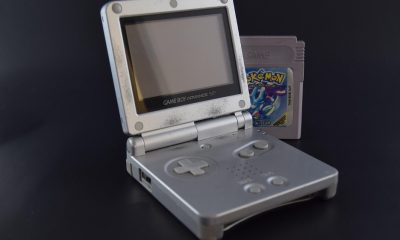
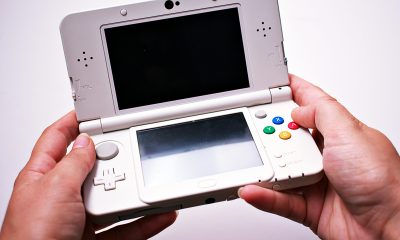
Nintendo’s Game Boy forced designers to be disciplined. The monochrome screen was small, and slow by today’s standards. Every sprite had to earn tis keep. Every movement had to be clear. There was no room for clutter or decorative detail that did not serve a purpose.
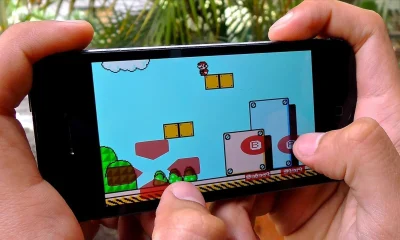
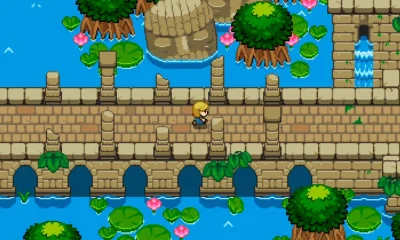
Games like Lazlo’s Leap show this approach in action. The shapes are bold, the gameplay is simple. You can glance at the screen and know what what’s important and what can be ignored. That kind of clarity still carries weight today, especially on mobile screens where attention is split and sessions are short.
When Hardware Capabilities Changed What Games Could Do
Some systems expanded what designers could attempt. Lemmings is a good example of that change. Running originally on the Commodore Amiga, it took advantage of hardware that could handle many moving elements at once without slowing down. Instead of one main character, you had dozens of simple ones acting together. Each followed basic rules, but together they created something more complex and utterly addictive.
That idea, many small elements working in parallel, shows up in later game genres and modern interfaces. You see it in layered animations, background systems and bonus mechanics that run alongside the main action without demanding constant attention.
Structured Rewards as a Core Principle of Interactive Design
Game designers learned early that timing is everything. Feedback that arrives too late feels flat. Feedback that arrives too often feels meaningless. Striking the balance became part of the craft. That thinking did not stay inside games.
Research into the shared structure of video games and digital gambling systems highlights how reward timing and frequency shape the overall experience without changing the basic rules. The point is not persuasion. It is structure. Well-paced feedback keeps sessions flowing and reduces friction for the player.
Timing and Feedback in Modern Interactive Systems
Modern digital systems still lean on those same building blocks. Reward spacing, hit frequency and visual response are tuned carefully so the experience feels steady rather than erratic. Academic work examining structural characteristics of electronic gaming machines shows how consistent pacing and predictable feedback patterns support engagement without needing complex controls or instructions.
That logic mirrors what early game designers already knew. If the system responds clearly and on time, users stay oriented. You are never left guessing whether your input registered or what the outcome means. The system speaks plainly.
Where Retro Game Design Still Shapes Modern Experiences
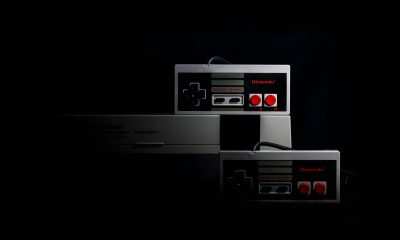
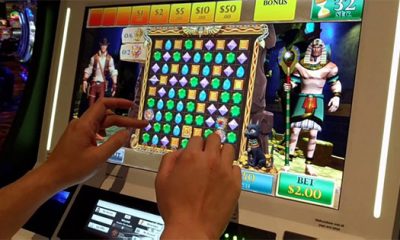
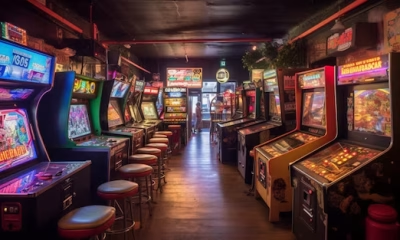
Early arcade and console games were built around immediacy. You dropped in, understood the rules within seconds and got feedback right away. That approach never went away. Modern slot games borrow heavily from that same thinking. Bright symbols, repeating patterns and clear outcomes are there for the same reason they were in arcades. You should never have to stop and think about what just happened.
That design lineage is easy to spot when you look at online slots in Canada and slot libraries built with great features. The focus sits on recognisable themes, simple interactions and smooth pacing. You are not being asked to learn something new every time. The structure stays familiar, which makes jumping in feel natural even if the theme changes.
Where Old Design Ideas Still Earn Their Keep
Retro games solved practical problems with simple tools. Limited hardware forced clean visuals, short loops and readable feedback. Those solutions aged well. They still underpin many modern digital experiences, including slots that rely on quick comprehension and familiar rhythms.
You do not need cutting-edge graphics to make something feel solid. You need design choices that respect attention and keep interaction straightforward. That lesson was learned decades ago and it still holds up every time you tap a screen and instantly know what just happened.
That sense of familiarity does a lot of work in the background. When the layout, symbols and flow make sense straight away, you spend less time orienting yourself and more time engaging with what’s on screen. It is design doing its job!

- Top Portugal Gambling Platforms with Fast Withdrawal Solutions in 2026
- Retro Casino Classics That Defined a Generation of Gamers
- From arcade reels to pixels – why retro slot machines still feel like games
- Mobile Sweepstakes Gaming: Best Platforms to Play on the Go
- A Sealed Copy of Super Mario Bros Sold for $2 Million and a CS2 Knife Sold for $400,000 and Both Prices Follow the Same Logic
- How to Start Your Own Retro Game Collection
- Why Retro Games Still Captivate in the Age of Modern Play
- From Retro to Modernity at the UK’s Newest Online Casinos
- How Germany’s €1 stake limit influences online slot mechanics and pacing
- Online Casino Players Are Becoming Smarter Consumers
- Why Canadian Strategy Gamers Are Trading Their Joysticks For Roman Building Permits
- Arcade Roots and the Mobile Dominance of Modern Gamers
- How 80s and 90s Classics Still Shape Modern Game Design
- How Echoes Of 80s And 90s Gaming Can Be Seen In Today’s Gaming
- Maine Reconsiders Online Casino Legislation After Governor Delays Approval
- When Were Slot Machines Invented? Before Video Games Took Over
- Progressive Jackpot Slot Machines: The Mechanics of Big Wins
- How Classic Games Are Shaping the Future of Online Entertainment
- The Enduring Influence of Retro Game Design on Modern Online Slots
- Top Gaming Genres Influencing Casino Play in Malaysa
- FoxSlots Casino Review – Registration & Login Guide
- Retro Gaming on Mobile: Why Classic Games Feel Better on Phones Now
- Online Casino Operators Integrating Seamless Login Tech to Improve Player Experience
- Mastering Zenless Zone Zero V2.5 Rerun: A Guide to New Mechanics and Characters
- The Fastest Ways to Catch Up in WoW Right Now Without Playing 6 Hours a Day
- When Retro Gaming Meets Gambling in Pakistan
- When joysticks met jackpots – retro games’ quiet influence on modern play
- Social casino big pirate: Big Pirate Social Style and Modern Gaming Culture
- Why Retro Games Trigger The Same Thrill As High-Stakes Moments: A Look At Risk, Reward, And Player Psychology
- The Philippines’ Gaming Economy: A Gateway to Online Casinos
- From Classic Mechanics to Modern Formats How Slot Games Continue to Evolve
- Why 2026 Could See More Pressure on Gamers’ Wallets
- Lives, Levels, and Limited Chances: How Retro Games Taught Players to Manage Risk
- Influence of retro games on modern gaming platforms
- Why Retro Gaming is Surging…And Will It Continue?
- The ‘Retro’ Component in Gaming Marketing & How iGaming Industry is Using it Wisely
- Retro Mechanics That Power Modern Bonus Games
- How retro gaming shapes modern online platforms
- What Makes Real Money Online Casinos Appealing to Players?
- From Arcade Cabinets to Browser Tabs: How Retro Gaming Went Digital
- From Arcades to Apps: Decades of Gaming Culture
- On-Chain Game Design: What Web3 Actually Adds to Core Gameplay
- The Revival of Retro Games – The Best Setup for the Real Feel
- How Developers Make Money from Free-To-Play Games
- How Retro Level Design Explains Modern Jackpot Lobby Themes and Player Navigation
- What Features Players Look for the Most in Retro Online Casino Games
- The Journey of Arcade Games into Blockchain Slots
- When Classic Design Meets Modern Tech: How Old-School Games Inspire Today’s Live Platforms
- Retro Slot Games: Still a Good Bet?
- The State of Casino Gaming on the Nintendo Switch in 2025