Games
Super Mario Bros Wonder devs were allowed “to prioritize content over schedule” – so they ended up with 2,000 sticky notes of inspiration
-
-
by
PRG

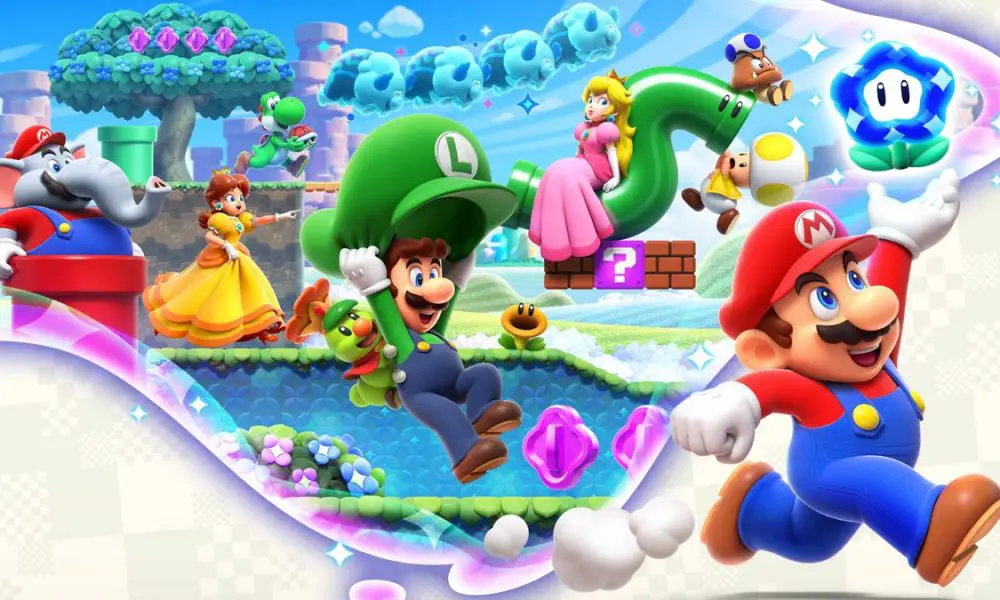
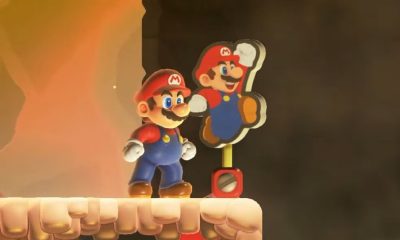
Ever since its initial announcement, Super Mario Bros. Wonder has captured the attention of long-time fans and newcomers for its rich and highly animated visual style. While it is a return to classic 2D Mario, it also looks to be a more exciting and visually distinctive take on that classic set-up – and according to the devs at Nintendo, making a large departure from the previous games was the intention.
In a recent Ask the Developer post on Nintendo’s official site, the creative team at Nintendo EPD spoke about the unorthodox development process for Super Mario Bros. Wonder, which allowed the devs to experiment, build new technology, and not worry about hitting a schedule.
On the surface, Super Mario Bros. Wonder certainly looks to be a visually stunning departure from games such as the New Super Mario Bros games. It also turned out to be a departure from the established development process, with the creators spending a lot of time rethinking a 2D Mario game and how best to convey its vibrant and dynamic world.
During the developer Q&A, Super Mario Bros. Wonder game designer Koichi Hayashida spoke about how the game’s development differed from other entries in the series. After work on Super Mario Maker 2, the development team felt a change was needed for the next game, and they began an unorthodox development process. This also meant building a new 2D Mario engine from scratch to convey the game’s vision better.
“Yes, I remember [Shiro] Mouri-san saying during the early stages of development that we shouldn’t use the same game engine as in the New Super Mario Bros. series but rather create a new game engine that would serve as a foundation for future 2D Mario games,” said Hayashida. “Thankfully, [Takashi] Tezuka-san also told us to prioritize content over schedule.”
According to Hayashida, the number of ideas they had when making ballooned over the extended creative period – so much so that their wall of stick notes of ideas were over 2,000. In a follow-up, producer Takashi Tezuka stated that they spent more time developing and finding the creative angle for Wonder than any other recent 2D game.
“We wanted to create a game with much more to offer than ever before, so this time, we didn’t set a fixed period for development, which is usually decided before we kick off,” said the producer. “To create something truly enjoyable, we decided to take our time and dedicate ample budget for development without having to worry about the production schedule. So, at first, we only had a small group working on the development.”
So far, the more enegized visual style and exuberant pace of Wonder show off this creative breakthrough that Nintendo had following the extended development time on the game. It’s a wilder and weirder Mario game, and that looks to be just what a new 2D Mario game needed.
- Why Retro-Themed Slot Games Are Thriving in Ontario’s Licensed iGaming Market
- The Best Retro-Themed Online Slot Games Available Today
- How Arcade Classics Shaped the Design of Modern Online Slot Games
- Why Retro Games Still Read Better at a Glance
- The gaming market is booming and it’s bigger than you think
- How Secret Pro Player Stats Reveal The Most Broken Meta Picks You Should Abuse Today
- High Score Culture and Friendly Competition in Classic Arcade Gaming
- Why Fruit Symbols Remain Common in Slot Themed Video Games
- Maine: Shaping US iGaming Further
- The Role of Player Opinions in Creating Long-Lasting Games
- Gamification is changing online casinos and online games in a big way
- Red Is the New Gold: How Covert Skins Became the New Core of the CS2 Economy
- Why classic fruit symbols and lucky sevens outlived the hardware of early physical machines
- From Arcade Tokens to Digital Coins: How Coin-Op Gaming Grew Up
- Why Pokemon Cloud White’s Random Encounters Feel So Thrilling
- How Pokemon ROM Hacks Like Cloud White Built Their Appeal on Pure Randomness
- How Pokemon Cloud White and GBA Fan-ROMs Brought Luck-Based Minigames Back to Retro Play
- The Hidden Game Corners of Pokemon, Super Mario RPG, and Final Fantasy
- Why Players Still Love Retro Slots and Classic Symbols
- Arcade DNA: Why Simple Retro Game Loops Still Work Online
- What New Zealand’s online casino law means for payments, bonuses and account controls
- Canada’s Provincial iGaming Model Leaves Players Comparing Different Protection Rules
- How the GameFAQs Generation Changed Consumer Behavior
- Why online casino products appeal to retro gamers
- The Pixelated Matrix: How Game Theory Shaped Retro Game Design
- How Multiplayer Gaming Evolved from Local Co-Op to Online Networks
- How Fruit, Bells, and Pixel Retro Icons Built Gaming’s Fastest Language
- Insert Coin, Press Start: Why Simple Loops Still Work Online
- The 40-Year Evolution of Digital Bonuses in Gaming
- Retro Gaming vs Modern Gaming: What We Gained in Scale and Lost in Simplicity
- More Than Just a High Score: The Changing Face of Competitive Gaming
- How to Analyze Corners and Cards in Football Betting
- How Retro Games Became a Success Online, Including Bingo
- How Leaderboards and High Scores Motivated Players in Classic Arcade Culture
- Has Retro Gaming Evolved?
- How Reward Systems Evolved From Arcade Tokens to Digital Bonuses
- From Classic Arcades to Online Casinos: How Retro Gameplay Inspires Modern Gaming
- 8-bit logic in a high-stakes world: why retro design still influences online gambling systems
- Gamification Features Are Changing How Spanish Players Engage With Online Casinos
- How Online Gaming Has Grown in Ontario
- From Herzog Zwei to Summoner’s Rift: The 30-Year Evolution of the MOBA
- Top Retro Games Still Popular in 2026
- Twenty years in, and the economy still runs everything
- Top Portugal Gambling Platforms with Fast Withdrawal Solutions in 2026
- Retro Casino Classics That Defined a Generation of Gamers
- From arcade reels to pixels – why retro slot machines still feel like games
- Mobile Sweepstakes Gaming: Best Platforms to Play on the Go
- A Sealed Copy of Super Mario Bros Sold for $2 Million and a CS2 Knife Sold for $400,000 and Both Prices Follow the Same Logic
- How to Start Your Own Retro Game Collection
- Why Retro Games Still Captivate in the Age of Modern Play