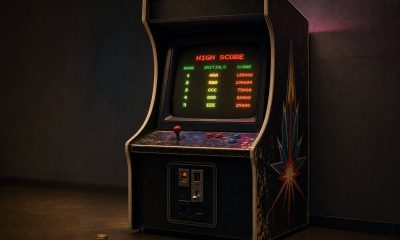
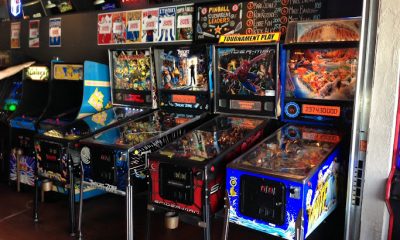
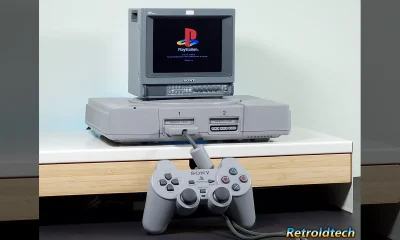
Retro games never tried to overwhelm you. They had to make sense fast, often on limited screens, with simple controls and clear goals. That constraint shaped how games looked, sounded and played. Those ideas did not stay in the past. You still see them today in modern digital games that rely on short sessions, quick feedback and familiar visual cues.
Retro is cool, but there is a lot more to retro than meets the eye. Retro gaming may feel nostalgic, but the source that nostalgia was found thanks to technical limitations. Designers and programmers had a lot less to work with than today, and they had to think around corners to make the lack of computing capacity work for them. The result was games that felt intuitive and easy, and now, despite having almost all the computing capacity we’d ever need, those same intuitive principles still applies.
Designing for Clarity on the Game Boy’s Limited Screen
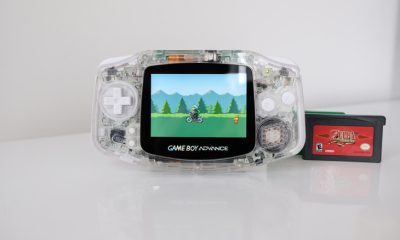
Nintendo’s Game Boy forced designers to be disciplined. The monochrome screen was small, and slow by today’s standards. Every sprite had to earn tis keep. Every movement had to be clear. There was no room for clutter or decorative detail that did not serve a purpose.
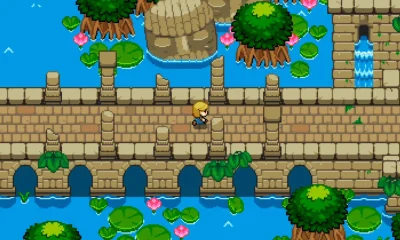
Games like Lazlo’s Leap show this approach in action. The shapes are bold, the gameplay is simple. You can glance at the screen and know what what’s important and what can be ignored. That kind of clarity still carries weight today, especially on mobile screens where attention is split and sessions are short.
When Hardware Capabilities Changed What Games Could Do
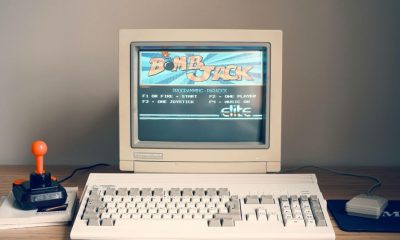
Some systems expanded what designers could attempt. Lemmings is a good example of that change. Running originally on the Commodore Amiga, it took advantage of hardware that could handle many moving elements at once without slowing down. Instead of one main character, you had dozens of simple ones acting together. Each followed basic rules, but together they created something more complex and utterly addictive.
That idea, many small elements working in parallel, shows up in later game genres and modern interfaces. You see it in layered animations, background systems and bonus mechanics that run alongside the main action without demanding constant attention.
Structured Rewards as a Core Principle of Interactive Design
Game designers learned early that timing is everything. Feedback that arrives too late feels flat. Feedback that arrives too often feels meaningless. Striking the balance became part of the craft. That thinking did not stay inside games.
Research into the shared structure of video games and digital gambling systems highlights how reward timing and frequency shape the overall experience without changing the basic rules. The point is not persuasion. It is structure. Well-paced feedback keeps sessions flowing and reduces friction for the player.
Timing and Feedback in Modern Interactive Systems
Modern digital systems still lean on those same building blocks. Reward spacing, hit frequency and visual response are tuned carefully so the experience feels steady rather than erratic. Academic work examining structural characteristics of electronic gaming machines shows how consistent pacing and predictable feedback patterns support engagement without needing complex controls or instructions.
That logic mirrors what early game designers already knew. If the system responds clearly and on time, users stay oriented. You are never left guessing whether your input registered or what the outcome means. The system speaks plainly.
Where Retro Game Design Still Shapes Modern Experiences
Early arcade and console games were built around immediacy. You dropped in, understood the rules within seconds and got feedback right away. That approach never went away. Modern slot games borrow heavily from that same thinking. Bright symbols, repeating patterns and clear outcomes are there for the same reason they were in arcades. You should never have to stop and think about what just happened.
That design lineage is easy to spot when you look at online slots in Canada and slot libraries built with great features. The focus sits on recognisable themes, simple interactions and smooth pacing. You are not being asked to learn something new every time. The structure stays familiar, which makes jumping in feel natural even if the theme changes.
Where Old Design Ideas Still Earn Their Keep
Retro games solved practical problems with simple tools. Limited hardware forced clean visuals, short loops and readable feedback. Those solutions aged well. They still underpin many modern digital experiences, including slots that rely on quick comprehension and familiar rhythms.
You do not need cutting-edge graphics to make something feel solid. You need design choices that respect attention and keep interaction straightforward. That lesson was learned decades ago and it still holds up every time you tap a screen and instantly know what just happened.
That sense of familiarity does a lot of work in the background. When the layout, symbols and flow make sense straight away, you spend less time orienting yourself and more time engaging with what’s on screen. It is design doing its job!

- What No One Tells You About Retro Games as Stress Relief
- Does Gaming Identity Now Show Up More Through Fandom and Social Spaces?
- Game Boy Advance Nostalgia Meets Mobile Play: What Handheld Gaming Taught Us About Playing on the Go
- What the 90s Did For Gaming – A Revolutionary Era
- Why Retro Games Feel Right at Home in a Browser
- From Retro Slots to Browser Games: Why Simple Reward Loops Last
- The worst American football-themed video games ever made
- The Card Games That Taught Computers to Play
- When the Arcade Cabinet Was Part of the Game
- Bonus Stages in Modern Slots Have More in Common With Arcade Games Than You Think
- Hidden Chance Games Inside Classic SNES Titles
- Five Games for When You Just Want to Play
- The Real Market Behind Virtual Retro Goods
- How Clear Navigation Enhances Player Exploration in Digital Casinos
- Why Hardware Limits Made Retro Games Better Designed
- The Impact Of Retro Gaming On Adjacent Entertainment Sectors
- How Pixel Art Became Cool Again
- They All Started With Retro Games But Left the Biggest Impact in Esports
- The Coin-Collecting Thrill of Super Mario World
- How Mario Kart’s Item Box Won Players Over
- When Retro Games Hid Tiny Slot Machines
- Retro Gamers Keep Reviving Classic PlayStation Titles Through Browser Emulation
- Why Fast-Start Design Still Wins in Retro Gaming
- How Old-School Basketball Games Built a New Generation of Fans
- Pokemon Cloud White’s Wild Grass Surprises
- How 80s Arcade Design Powers Modern Games
- How Fearless Draft Is Reshaping Professional League of Legends
- How Super Mario RPG’s Timed Hits Shine
- How to optimize your browser for lag-free retro gaming in 2026
- The Technical Magic Behind Retro Gaming’s Most Massive Worlds
- How Gold Slot Themes Add Familiar Casino Style
- What Actually Happens on the Convention Floor Wi-Fi at a Retro Gaming Expo
- Why Hidden Unlockables Made Games More Memorable
- The Death of Cheat Codes and What Replaced Them
- Why Retro-Themed Slot Games Are Thriving in Ontario’s Licensed iGaming Market
- The Best Retro-Themed Online Slot Games Available Today
- How Arcade Classics Shaped the Design of Modern Online Slot Games
- Why Retro Games Still Read Better at a Glance
- The gaming market is booming and it’s bigger than you think
- How Secret Pro Player Stats Reveal The Most Broken Meta Picks You Should Abuse Today
- High Score Culture and Friendly Competition in Classic Arcade Gaming
- Why Fruit Symbols Remain Common in Slot Themed Video Games
- Maine: Shaping US iGaming Further
- The Role of Player Opinions in Creating Long-Lasting Games
- Gamification is changing online casinos and online games in a big way
- Red Is the New Gold: How Covert Skins Became the New Core of the CS2 Economy
- Why classic fruit symbols and lucky sevens outlived the hardware of early physical machines
- From Arcade Tokens to Digital Coins: How Coin-Op Gaming Grew Up
- Why Pokemon Cloud White’s Random Encounters Feel So Thrilling
- How Pokemon ROM Hacks Like Cloud White Built Their Appeal on Pure Randomness