Why old games still feel so good
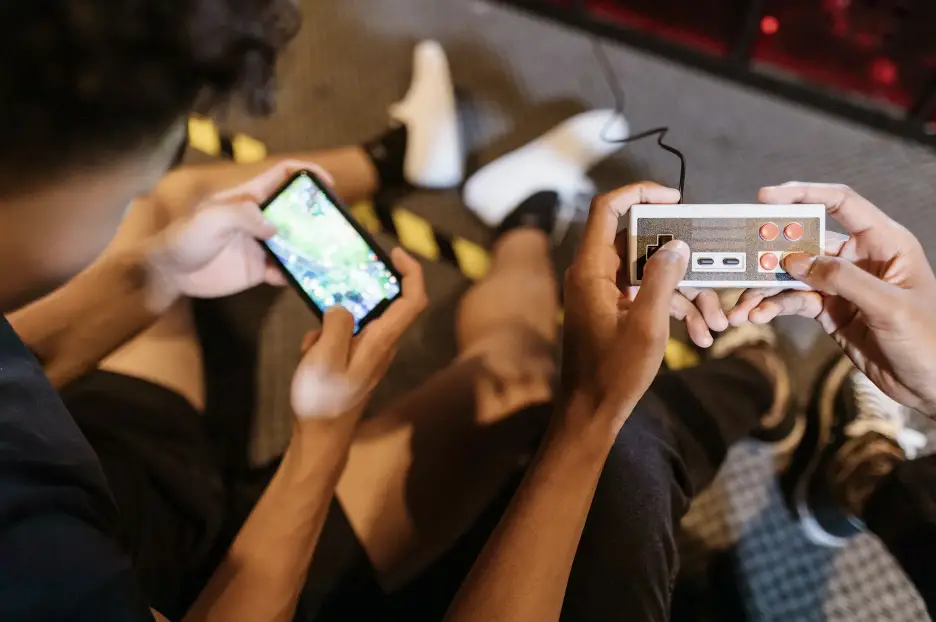
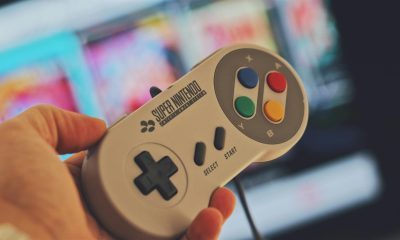
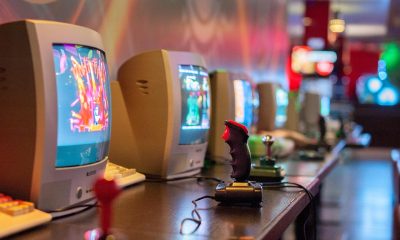
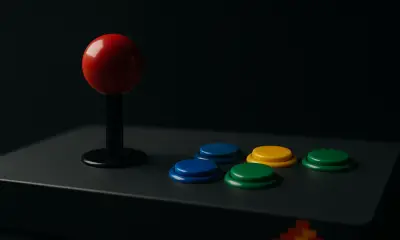
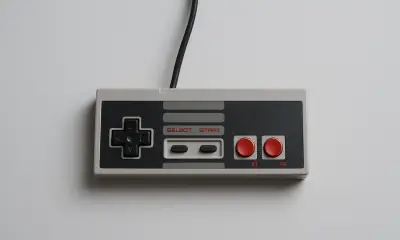
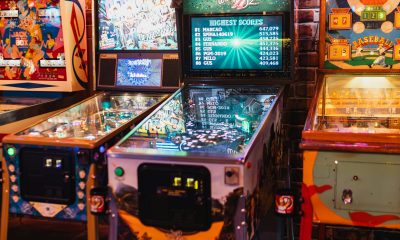
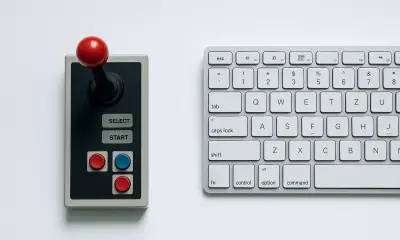
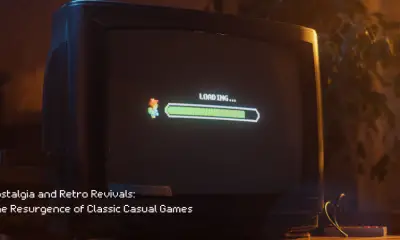
There’s a special kind of magic in retro games that modern graphics just can’t replace or copy. It’s the click of a joystick snapping back to center. The hum of a cabinet warming up. The way a game could explain itself in seconds and still keep you hooked for weeks. Retro games didn’t need tutorials, updates, or endless menus – they just invited you in and dared you to have fun.
That simplicity is why classic games are still talked about, replayed, and celebrated today. They were easy to start, exciting to watch, and endlessly replayable. And while the screens and controls have changed immensely, that style of enjoyment never really went away – it just found new forms and has inspired generations of players.
Built for fun first, everything else second
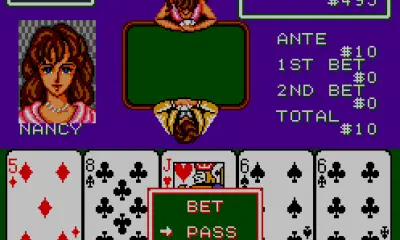
Early video games were designed with one goal above all else: entertainment. Arcade developers knew players wanted instant action and clear feedback. You moved, the game responded. You succeeded, the screen celebrated. You failed, and the invitation to try again was immediate.
This design philosophy showed up everywhere:
- Bright colors that popped from across the room
- Sounds that rewarded even small successes
- Clear visual cues that made gameplay easy to follow
- Sessions short enough to jump in at any time
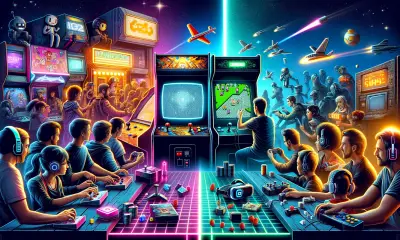
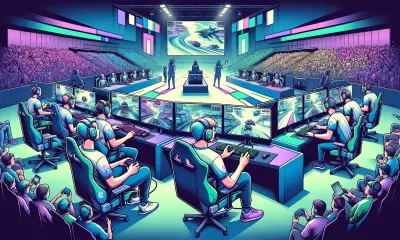
Retro games were also incredibly watchable. Even if you weren’t playing, you could stand behind someone and understand exactly what was happening. That shared experience – taking turns, cheering, comparing scores – made games feel social long before online play existed.
Random moments made every run feel fresh
One thing retro games did exceptionally well was variety. Enemy movement patterns shifted. Power-ups appeared at unexpected times. Bonus stages arrived when you least expected them. Even if you played the same title hundreds of times, no two sessions felt identical.
That element of surprise kept games exciting without making them complicated. You never needed to memorize huge systems or manage complex mechanics. You simply reacted, adapted, and enjoyed the ride. It’s one of the reasons classic games remain so replayable today – they always leave room for something unexpected to happen.
How digital gaming expanded without losing its roots
As gaming moved online, many of those classic ideas carried over naturally. Digital platforms made it easier to enjoy short, self-contained experiences that didn’t demand long commitments. You could play for a few minutes, take a break, and come back later without losing the sense of fun.
Visual flair, sound design, and clear results became even more important. Games needed to be instantly engaging, readable at a glance, and satisfying whether you stayed for moments or longer sessions. In many ways, this mirrored what arcade games had already perfected decades earlier.
Retro style in modern formats
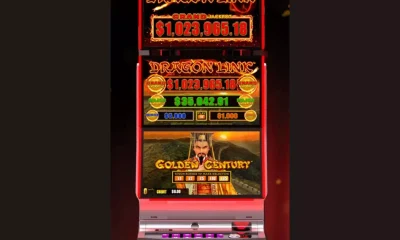
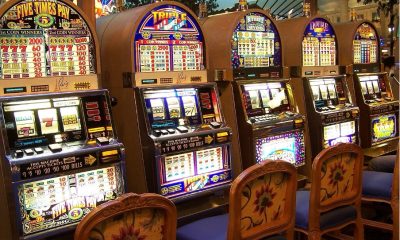
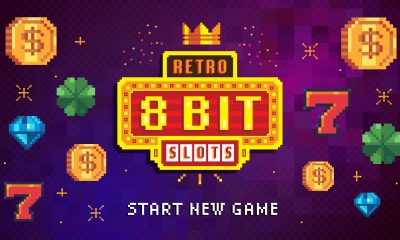
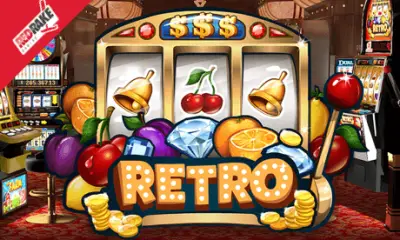
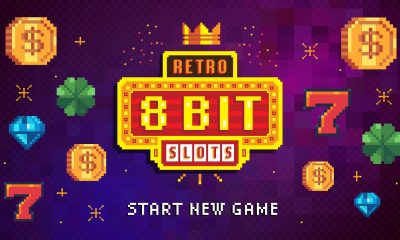
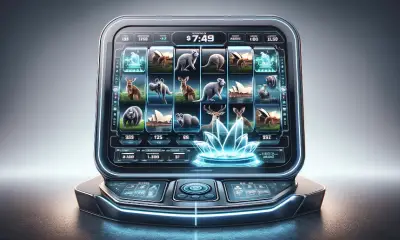
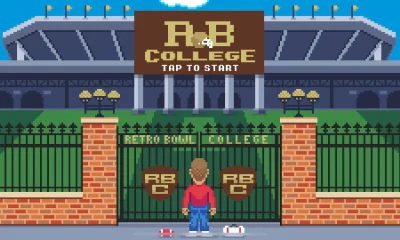
This is where the connection becomes especially clear. Modern digital games often lean heavily into retro-inspired presentation – pixel art, neon colors, bold animations, and playful sound effects that echo the arcade era. That same design language shows up in online slots, where presentation and visual celebration are front and center. Many creative online slots even use classic game themes, with 8-bit visuals and animated sequences that feel like they could have lived comfortably in an old arcade hall.
Even the sound effects are often designed to recall the traditional whirring noise of a physical slot machine, generating that same sense of excitement when you play. And digital coins clattering down? It’s definitely a callback to the ancestors of these machines, when actual coins hit the payout drawer after a win. These have remained staples in the online slots world, and get at the heart of nostalgia when we play today.
The appeal isn’t only about outcomes or complexity – it’s about atmosphere. Bright symbols, satisfying motion, and clear moments of excitement all follow the same principles that made retro games fun to watch and play. It’s not surprising that online slots have generated so much ongoing enthusiasm and excitement from audiences everywhere.
A modern extension of the arcade experience
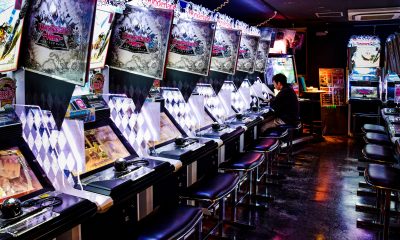
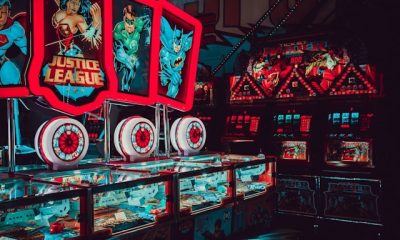
Another reason this crossover works so well is familiarity. Retro gamers are already comfortable with games that explain themselves visually and rely on timing, anticipation, and spectacle. There’s no need for long setup or deep menus – the experience starts immediately, just like stepping up to a cabinet.
In that sense, modern slot-style games feel less like a departure and more like an evolution of arcade entertainment. The screen draws you in, the action unfolds quickly, and each session stands on its own. It’s the same pick-up-and-play spirit that made retro games perfect for lunch breaks, after-school sessions, or a quick burst of fun before heading out.
Why retro fans often enjoy modern chance-based play
People who love retro games often appreciate experiences that are:
- Easy to understand from the first moment
- Designed around short, enjoyable sessions
- Visually expressive and sound-driven
- Focused on entertainment, rather than long-term progression
Classic games taught us that not every experience needs an ending or a narrative arc to be satisfying. Sometimes, the fun is simply in watching the screen light up, hearing a familiar sound, and seeing what happens next. That mindset carries over naturally into modern digital formats that value immediacy and replayability.
A shared design philosophy, decades apart
Retro games didn’t fade away; they set a standard. A standard for clarity. For accessibility. For fun that doesn’t need explaining. Today’s digital experiences continue to borrow from that playbook, whether they’re inspired by arcades, consoles, or browser-based entertainment.
So when something modern feels instantly familiar, it’s often because its roots trace back to those glowing cabinets and chunky sprites. The tools may have changed, but the goal hasn’t.
Create something fun. Make it easy to enjoy. And always leave room for surprise.
And if you’re curious to explore how that retro-inspired spirit shows up in modern entertainment, and want to craft your perfect casino night, check out the different options you might pick from to curate an experience that’s totally “you.”
Let’s get gaming!