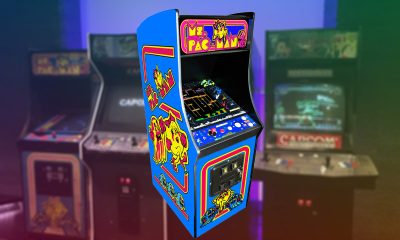
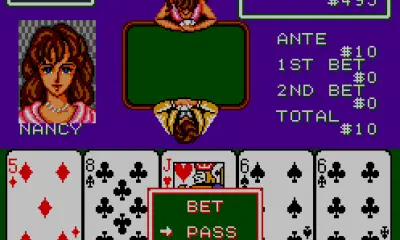
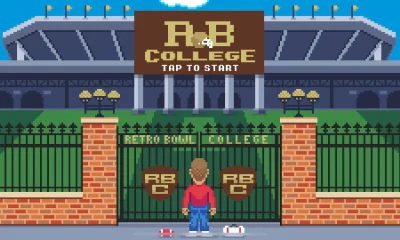
There’s nothing new about nostalgia. But the way the gaming industry continues to weaponize it is anything but dated. From neon pixel art and side-scrollers to chiptune music and arcade-style leaderboards, retro elements have surged in visibility again — not as a relic of the past, but as a deliberately crafted design and marketing choice.
This revival has become more than an aesthetic. It’s a commercial tool. And in the iGaming space, it’s being refined with surprising sophistication.
Nostalgia Has a User Retention Function
Retro design in gaming doesn’t only speak to visual tastes. It activates long-stored memories of simpler times, and more importantly, simpler mechanics. A player navigating a clean 2D interface isn’t bombarded with tutorials, system overloads, or bloated inventories. Instead, they get straight into the action. This immediacy resonates with users looking for entertainment that doesn’t require onboarding.
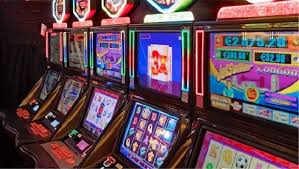
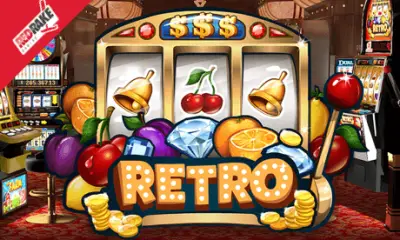
iGaming brands, particularly those offering browser-based arcade-style games, are capitalizing on this. Slot machines dressed like pixel-styled dungeon crawlers, roulette tables with 8-bit dealers, and loyalty programs themed around vintage arcade tokens aren’t just gimmicks — they create familiarity. Familiarity brings repeat visits.
Marketers know this. They engineer campaigns that tap into the emotional residue of past decades while delivering modern experiences under the hood. And this fusion of old-world charm with new-world infrastructure has been notably effective in pushing both acquisition and engagement metrics.
Retro Is a Theme & a Strategy
When retro design is used properly, it stops being just an aesthetic flourish and starts functioning as part of a deeper UX strategy. In iGaming, this translates into trust signaling. Think of it this way: when a player sees visuals that look like games from their childhood, it communicates a sense of safety. The brand becomes less intimidating. It feels known.
This is especially relevant in spaces where regulation, payment flow, and platform reliability matter. Retro themes soften the perceived risk and nudge users toward first-time deposits or trial spins.
But it goes beyond visuals. Marketers are repackaging reward mechanics that mirror vintage game logic. Progress bars, simple point systems, and high-score boards are making a comeback — not for vanity, but because they create manageable goals. Retro-style challenges, like “Beat the Dealer in 3 Rounds” or “Unlock the Pixel Crown,” foster habitual gameplay behavior without relying on aggressive retention loops.
For affiliate marketers, the appeal is even clearer. Retro-themed portals convert better on landing pages. They provide visual differentiation in an overcrowded affiliate space, and they carry a higher chance of driving session length. If a brand can hook a visitor with visuals and keep them exploring long enough, the chances of monetization rise naturally.
Trust, Platforms, and Where to Begin
Of course, creative packaging only works when the product behind it delivers. In the iGaming world, that means stable platforms, smooth gameplay, and trusted payment rails. Retro visuals can lure the player in, but they don’t matter much if the platform lags, payouts delay, or the game collection underwhelms.
This is where high-quality roulette platforms and reputable online casinos come into the picture. Choosing a reliable operator isn’t just about the variety of games or visual appeal. It’s about ensuring the platform has fair mechanics and payments that work seamlessly across devices and geographies. Platforms that offer modern transaction security while allowing users to enjoy games styled like they’re on an old Sega or SNES earn a loyal following over time.
For those looking to find vetted options, the curated list on SportsLine’s Roulette guide is a solid starting point. It doesn’t just present names but gives users clarity about usability, gameplay, and payment systems. The collection highlights some of the best online roulette offers, packaged neatly and presented with direct, useful insights.
While marketing plays a role in discovery, performance keeps the user around. A retro shell is only as good as the reliability it covers. And this is why marketers often align with platforms that emphasize technical robustness as much as they do aesthetics.
When Retro Meets Data-Driven UX
The resurgence of retro is not just emotional. It’s data-backed. Platforms are tracking behavioral engagement and learning exactly where to insert retro cues. This means knowing which color palettes trigger clicks, which sound effects prolong gameplay, and which leaderboard mechanics spark competitiveness.
What may look like a simple Galaga-style splash screen is often a calculated conversion tool. By applying A/B tests on retro vs. modern layouts, platforms have discovered that certain visual designs outperform others in driving first-time user engagement. Importantly, it’s not about abandoning modern design principles but wrapping them in layers that evoke the right kind of attention.
UX researchers are now studying how pixelation affects user pacing, how chiptune music impacts time-on-site, and how retro-themed reward screens influence trust perception. This blend of creative nostalgia and data analysis is becoming a core part of product development.
In the iGaming sector, where user loyalty is difficult to maintain and acquisition costs are high, this kind of precision can significantly shift a platform’s performance curve.
Retro as a Long-Term Value Lever
While trends come and go, the retro element isn’t showing signs of fading. It has moved past being a temporary trend into becoming a modular design choice that can be scaled, tested, and tailored to fit various campaign needs.
Retro games platforms attract users who miss old titles, but also marketers and developers trying to learn what keeps players coming back to simpler formats. This behavioral insight is spilling over into how modern iGaming platforms design retention funnels.
This isn’t nostalgia for nostalgia’s sake. It’s about using history to refine the future of digital engagement. And so far, the iGaming world seems to be doing it with far more precision than anyone expected.

- From Herzog Zwei to Summoner’s Rift: The 30-Year Evolution of the MOBA
- Top Retro Games Still Popular in 2026
- Twenty years in, and the economy still runs everything
- Top Portugal Gambling Platforms with Fast Withdrawal Solutions in 2026
- Retro Casino Classics That Defined a Generation of Gamers
- From arcade reels to pixels – why retro slot machines still feel like games
- Mobile Sweepstakes Gaming: Best Platforms to Play on the Go
- A Sealed Copy of Super Mario Bros Sold for $2 Million and a CS2 Knife Sold for $400,000 and Both Prices Follow the Same Logic
- How to Start Your Own Retro Game Collection
- Why Retro Games Still Captivate in the Age of Modern Play
- From Retro to Modernity at the UK’s Newest Online Casinos
- How Germany’s €1 stake limit influences online slot mechanics and pacing
- Online Casino Players Are Becoming Smarter Consumers
- Why Canadian Strategy Gamers Are Trading Their Joysticks For Roman Building Permits
- Arcade Roots and the Mobile Dominance of Modern Gamers
- How 80s and 90s Classics Still Shape Modern Game Design
- How Echoes Of 80s And 90s Gaming Can Be Seen In Today’s Gaming
- Maine Reconsiders Online Casino Legislation After Governor Delays Approval
- When Were Slot Machines Invented? Before Video Games Took Over
- Progressive Jackpot Slot Machines: The Mechanics of Big Wins
- How Classic Games Are Shaping the Future of Online Entertainment
- The Enduring Influence of Retro Game Design on Modern Online Slots
- Top Gaming Genres Influencing Casino Play in Malaysa
- FoxSlots Casino Review – Registration & Login Guide
- Retro Gaming on Mobile: Why Classic Games Feel Better on Phones Now
- Online Casino Operators Integrating Seamless Login Tech to Improve Player Experience
- Mastering Zenless Zone Zero V2.5 Rerun: A Guide to New Mechanics and Characters
- The Fastest Ways to Catch Up in WoW Right Now Without Playing 6 Hours a Day
- When Retro Gaming Meets Gambling in Pakistan
- When joysticks met jackpots – retro games’ quiet influence on modern play
- Social casino big pirate: Big Pirate Social Style and Modern Gaming Culture
- Why Retro Games Trigger The Same Thrill As High-Stakes Moments: A Look At Risk, Reward, And Player Psychology
- The Philippines’ Gaming Economy: A Gateway to Online Casinos
- From Classic Mechanics to Modern Formats How Slot Games Continue to Evolve
- Why 2026 Could See More Pressure on Gamers’ Wallets
- Lives, Levels, and Limited Chances: How Retro Games Taught Players to Manage Risk
- Influence of retro games on modern gaming platforms
- Why Retro Gaming is Surging…And Will It Continue?
- The ‘Retro’ Component in Gaming Marketing & How iGaming Industry is Using it Wisely
- Retro Mechanics That Power Modern Bonus Games
- How retro gaming shapes modern online platforms
- What Makes Real Money Online Casinos Appealing to Players?
- From Arcade Cabinets to Browser Tabs: How Retro Gaming Went Digital
- From Arcades to Apps: Decades of Gaming Culture
- On-Chain Game Design: What Web3 Actually Adds to Core Gameplay
- The Revival of Retro Games – The Best Setup for the Real Feel
- How Developers Make Money from Free-To-Play Games
- How Retro Level Design Explains Modern Jackpot Lobby Themes and Player Navigation
- What Features Players Look for the Most in Retro Online Casino Games
- The Journey of Arcade Games into Blockchain Slots