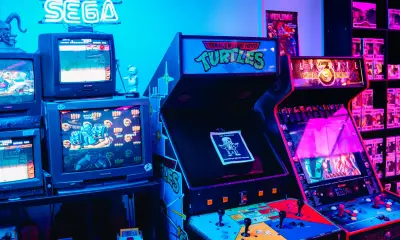
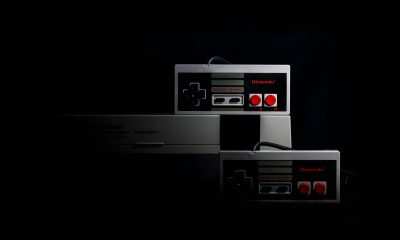
Gaming has a long memory – less of a floppy disc and more of a huge data center. Even as technology moves forward at speed, old ideas rarely disappear.
They tend to resurface in new forms, often without much announcement. The influence of the 1980s and 1990s still runs quietly through modern gaming, shaping how games look as well as behave.
Those decades laid foundations that still matter. Hardware was limited. Creativity had to work within strict boundaries. That pressure produced styles and systems that proved durable and also struck us with some beloved games and characters. Today’s games may look smoother and run faster, but many still follow paths set years ago.
Casinos And The Birth Of Online Gaming Culture
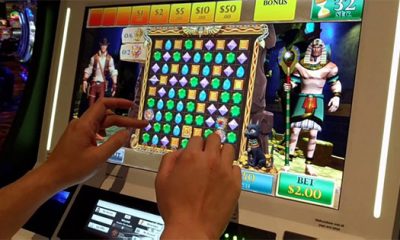
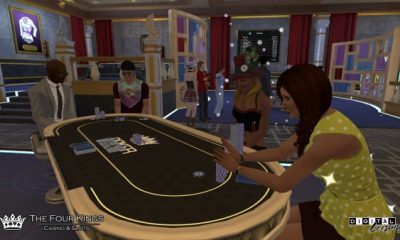
Online casino gaming began to take shape in the 1990s. They will forever be associated with this time, as it was right at the moment when home computers became more common. That period marked the birth of this type of gaming as it is now understood. Early casino games were simple. Graphics were basic – short sounds looped endlessly. Yet those limitations gave the games a clear identity.
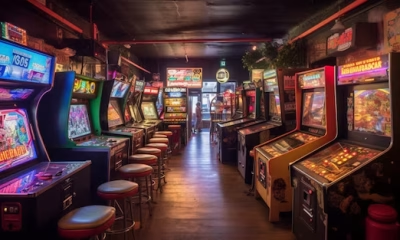
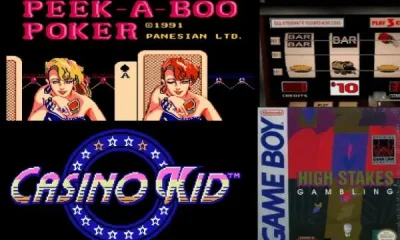
Many early online casino titles borrowed visual ideas from arcade machines and early console games. Bright colours. Clear symbols. Simple animations that repeated without distraction.
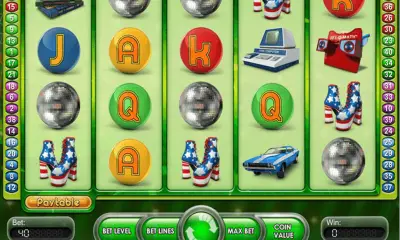
Even today, plenty of casino games lean into retro styling. The slots might hark back to some of the older games. This was the first time people were able to play online. People can now play a variety of online slots for real money, including both modern-looking and retro-looking options.
What began in the 90s also set expectations around accessibility. Casino games loaded a little bit more slowly back then. But the controls were simple. That mindset continues to shape how casino gaming fits into modern digital life.
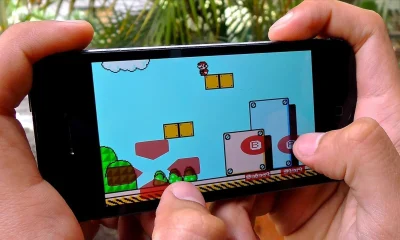
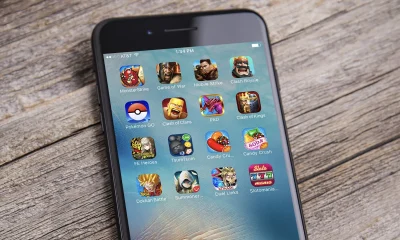
Mobile devices now outnumber laptops and similar devices. This means that there has been a big shift. People are now more likely to play on mobile devices. This could be while on the bus or while waiting around for a friend.
Simple Mechanics That Still Work
One reason echoes of older gaming remain visible is that the mechanics worked. Early games relied on repetition and clarity. There was no room for excess in terms of memory and hard drive space.
That approach still holds value. Many modern games strip systems back rather than piling complexity on top. Clear goals. Immediate feedback. Straightforward controls. These ideas come straight from earlier eras. They are still as relevant as ever today.
Characters And Franchises That Refused To Fade
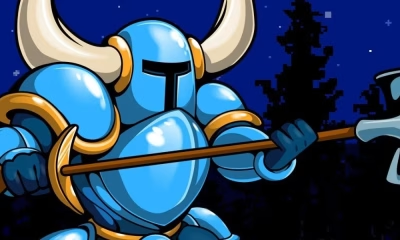
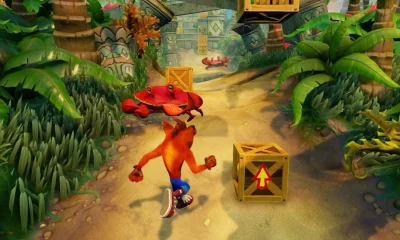
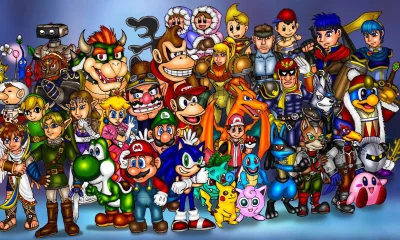
The 80s and 90s also introduced characters and franchises that never truly left. Their designs were bold because they had to be recognisable at low resolution. That clarity made them timeless.
As technology improved, those characters gained detail without losing identity. New releases might look different. The core shapes and personalities remain intact.
It isn’t long until we consider characters like Lara Croft whenever people think back to the 90s in gaming. This is a prime example of the type of video game character that we see prove to be successful in the modern age. Recent games in the franchise have been credited for harking back to that 90s style.
This was also the era in games that have survived until this day. Even the first GTA games date back to the 1990s. We also saw Half-Life and Doom launch in the same decade. Icons of gaming.
Sound And Music As Memory Triggers
Audio design carries strong echoes of the past. Early gaming relied on simple sound chips. Music looped endlessly. Effects were sharp and recognisable.
Modern games often recreate that feeling on purpose. Synth-style music appears again and again. Short sound cues replace long compositions in certain moments. The goal is not realism so muchh as just being catchy and memorable.
If somebody asks you to think of the Tetris soundtrack and you have played the game, you can probably do it instantly.
Technology Advancing Without Erasing The Past
The technology leap from the 90s to now is enormous. Faster processors and high-definition displays would have seemed sci-fi-like back in the 90s. Yet those advances did not erase earlier ideas.
Instead, they layered on top.
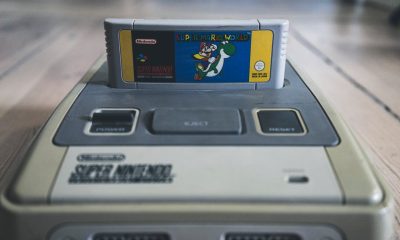
Online connectivity also changed how games are shared and updated. That flexibility allows older styles to return easily. Retro-inspired games launch quickly because the foundations are already known. People who played the very first Xbox or Playstation games may even revisit and play them today.
Short Sessions In A Fast World
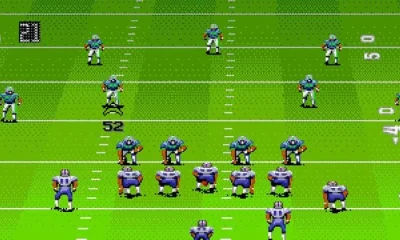
Gaming in the 80s and 90s often happened in short bursts. Arcades encouraged quick play. Home consoles were a bit more flexible.
Modern gaming circles back to that idea. Many games now support short sessions without penalty. Progress saves instantly on devices without even having to think about it (or worry about your memory card filling).
The Visuals of the Era
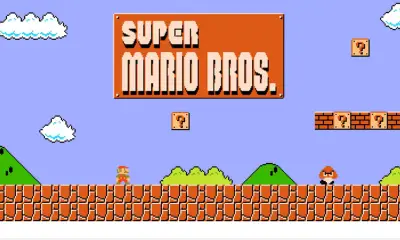
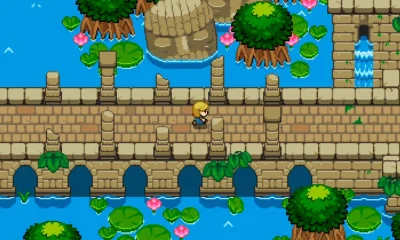
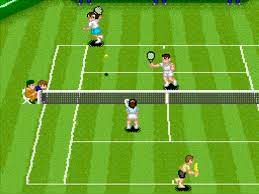
Pixel art may look old, but it never disappeared. It became a style rather than a limitation. Many modern games use it intentionally, pairing simple visuals with modern effects.
This blend feels familiar and fresh at the same time. It honours the past without copying it directly.
Echoes of the 80s and 90s gaming styles remain because they earned their place. Those decades taught the industry how to work within limits and still create something memorable.