If you’re an aspiring e-sports player, you need to improve your ping, as well as practice regularly to improve your gameplay. But all in all, there are other points that you need to remember that I’ve personally found useful after playing Overwatch competitively for years. So today, I thought it might be a good idea to run through them for you.
1. Improve Your Ping
Faster ping would be an easy way to improve your gaming performance, especially in fast-paced games like Call of Duty (COD). Ping essentially is any lag you have while gaming, and there’s actually a few different ways that you can improve it, with my favorite being using an ethernet cable for your Wi Fi.
But using a VPN can also help improve your ping. You can connect to a server that’s closer to your game’s server, meaning your internet connection would be tunneled less. Also, depending on where you live, your internet connection might be throttled which can seriously affect your ping. Starlink has been known to throttle internet in the UK, slowing internet speeds and making gaming competitively hard due to lag. Once again, though, vpn for uk of any type can help here.
But apart from using a virtual private network and ethernet cable, something as simple as restarting your router can also improve your ping rate. But of course, this doesn’t work every time, as it can only clear glitches that may be around causing your internet to slow down.
2. Practice Regularly
This goes without saying, but practicing regularly is key to improving your performance. You especially need to stay agile if you’re playing fast-paced shooters, like overwatch or COD.
If you’re playing in teams, you must play together frequently too: the key to winning matches a lot of the time will be learning to coordinate.
Regardless of if you’re practicing by yourself or with your team, I’d also advise you to play in various scenarios, like different scrims, custom games, and even ranked matches.
3. Spice Up Your Training
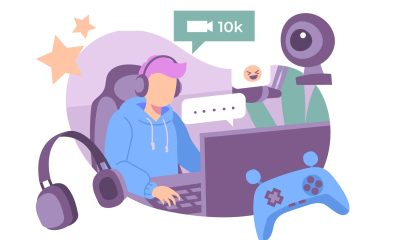
Although practicing regularly is helpful, it’s important that you spice up your training. I always advise my team members to watch Twitch streams or YouTube videos of other gamers. There’s a lot of valuable commentary in these videos, so you get to learn new techniques from pros.
You should also record yourself playing (in different modes and games), and then watch it back. Reviewing and analyzing your gameplay can help you pinpoint any mistakes you may be making.
There are also specific apps that can help improve your performance, like Overwolf and LolWiz (depending on the game you’re playing). They can track your performance and give you insight on your gameplay. With these stats in mind, you’ll have a good idea of where you can improve.
4. Embrace Your Talents
All gamers are not the same, in a lot of first-person shooter games I would say that I’m the strategic player in my team. You need to identify what assets you are good at, and then embrace them. So, for instance, if you’re a strategic player, you need to study how you can influence the game more, and if you’re a mechanical player, you need to practice drills to improve your response.
5. Be Careful with Caffeine
Like any e-gamer, you might be throwing back energy drinks to keep yourself on top of matches. I don’t blame you for this, as I’ve been there too. But the thing is, caffeine is a stimulant that is known to cause anxiety in the long-run.
Not only can the caffeine cause anxiety, which isn’t what you want when playing fast-paced games. But overdoing the caffeine can also cause poor sleep. This is the complete opposite of what you want if you’re preparing for an important tournament – you need to be fresh so that you can make sharp decisions.
6. Take Breaks
While on the topic of staying fresh, you must take your time and practice, but also that you give yourself enough breaks in a day. Like I said, you need your mind to be refreshed so that you can make proper game maneuvers and think through strategies.
I’d say that if you’re aiming to play at a professional level, you will have to practice for up to 8 hours a day. Once you’re done with those 8 hours, log off from your computer and get enough exercise – you’ll need to stretch those muscles!
Final Thoughts
Considering that it takes a lot of patience to be a pro at esports, there are quite a few points that you will need to keep in mind. From them, some of the most important include improving your ping, taking breaks, and practicing and being smart about how you practice too. All in all, I hope you found this ultimate guide useful.