The games of the 80s and 90s still shape how titles look and play today. Their simple graphics, direct controls, and clear goals left a mark on the industry that has not faded. Developers often return to these ideas when modern projects grow too large or too complex. The result is a steady return to pixel art, side-scrolling stages, and score-based systems across many genres.
This influence does not stop with console and PC releases. Some players have noticed that even on casino sites, especially on mobile casino platforms, many retro-style slots echo the look and sound of arcade machines from past decades. The visual cues, bright symbols, and looping soundtracks reflect a design language that began long before smartphones existed.
The reach of 80s and 90s design shows how strong those foundations remain. To understand why, it helps to look at the core ideas behind those classics and how modern studios adapt them.

Simplicity That Shaped Game Mechanics
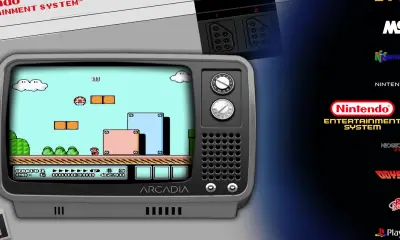
Early developers worked with strict hardware limits. Memory was small, and graphics had clear boundaries. As a result, games relied on sharp mechanics rather than visual detail. Super Mario Bros. offered tight jumps and precise timing. Tetris used a simple block system that anyone could understand within minutes.
Modern titles often return to this structure. Shovel Knight uses an 8-bit style and strict movement rules that mirror the feel of early platformers. Celeste builds its challenge around accurate jumps and quick restarts, much like older cartridge games. These projects show that depth does not require complex controls.
Clear goals and readable systems still guide design choices. Many studios now limit on-screen clutter and reduce tutorials. That approach reflects lessons learned decades ago when players had to figure out rules through play rather than long explanations. The past continues to shape how designers think about balance and fairness.
The Power of the Gameplay Loop
Arcade hits in the 80s depended on strong repeat cycles. Pac-Man asked players to clear mazes and chase higher scores. Space Invaders raised the pace with each wave, which forced faster reactions and sharper focus.
Donkey Kong followed a similar structure. Each stage tested timing and pattern recognition, then reset the challenge with slight changes. The structure was direct. Survive longer, score higher, try again.
This system shaped how designers think about player motivation. A clear loop creates purpose. Points, extra lives, and level progression act as steady markers of growth. The arcade format required games to hold attention in short bursts, so every second had to matter. There was no room for long tutorials or slow openings.
That loop still appears in modern releases. Hades resets progress after defeat but grants upgrades that alter the next attempt. Dead Cells uses random layouts to keep runs fresh while keeping the same core structure. Returnal applies a similar cycle in a high-budget format. The pattern traces back to arcade cabinets that rewarded skill and repetition.
Retro Aesthetics in a High Tech Era
The shift to 3D graphics in the late 90s changed the look of mainstream games. Titles such as Super Mario 64 and Tomb Raider showed what new hardware could do. Over time, visual detail increased, and worlds became larger.
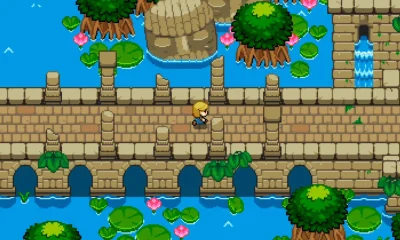
Despite that progress, many creators returned to 2D art. Stardew Valley uses pixel graphics that recall 16-bit farming titles like Harvest Moon. Undertale adopts a minimal style similar to early role-playing games. These choices are not about technical limits. They reflect a conscious design decision.
Retro visuals often make systems easier to read. Clear sprites and bold colors allow players to focus on movement and timing. Sound design follows the same path, with chiptune-inspired tracks that echo early consoles. This approach proves that older visual styles still have a place beside advanced graphics.
Lasting Lessons for Modern Developers
The influence of 80s and 90s classics reaches far beyond visuals and soundtracks. Those games showed studios how to value structure, balance, and player skill. Levels followed clear logic.
Obstacles built on earlier challenges. Boss fights relied on patterns that players could study and overcome through practice. Progress felt earned because success depended on timing and awareness rather than inflated stats. Many modern titles carry these lessons forward.
Dark Souls builds its combat around observation and measured action. Enemies follow readable patterns, and victory depends on patience and precision. Hollow Knight uses tight controls and clear visual cues that demand focus in the same way Mega Man once did. Cuphead draws from classic run-and-gun design, with boss encounters that test memory and reaction rather than complex systems.
In the end, the legacy of 80s and 90s games rests in discipline. Their limits forced clarity. That clarity still shapes modern design choices. The past stands not as nostalgia, but as proof that strong structure and thoughtful balance create games that endure.