Slot Machines’ Murky Birth: From 1800s Loopholes to Mechanical Gaming Revolution
Gum, Drinks & Gray-Area Bets Before Casinos Existed
People always ask the same question: when were slot machines invented? They do it as if there were a clean answer. Slot machines didn’t appear fully formed. They drifted into existence. Bit by bit. Through loopholes, mechanical experiments, and a lot of legal gray space.
Long before video games, long before screens, long before anyone called this “gaming,” machines came first. The industry followed later.
Early Clues in the History of Slot Machines
The history of slot machines starts with mechanics, not casinos. Late 1800s America was obsessed with automation. Coin-operated devices popped up everywhere. Vending machines. Novelty games. Mechanical amusements that did one thing well and did it repeatedly.
Gambling was often illegal. So inventors danced around it.
Early machines didn’t always pay cash. Some paid in drinks. Some dispensed gum. Some offered tokens that could be “exchanged” quietly. The goal wasn’t elegance. It was survival.
These machines were crude, loud, and unreliable. But the idea stuck. Pull something. Watch something move. Get something back.
The First Slot Machine Inventor
If you want a name, most roads still lead to Charles Fey. He’s usually credited as the first slot machine inventor in the modern sense. Not because he invented gambling devices, but because he simplified them.
His Liberty Bell machine in the 1890s did something important. It removed people from the process. No dealer. No clerk. No judgment calls. Three reels. Limited symbols. Automatic payout.
That mattered more than innovation. It meant scale. Other machines existed before Fey. They just didn’t spread the same way, but his did.
When Did Slot Machines Become Popular in Casinos?
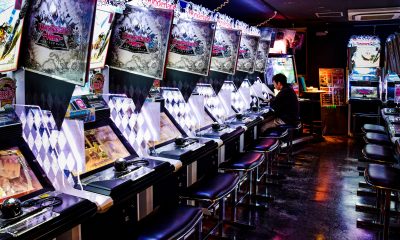
Slot machines in casinos weren’t popular at first. For a long time, slots sat off to the side. Bars. Back rooms. Places where nobody cared too much. Casinos preferred table games, which players felt required more skill.
Slots changed that math. By the mid-1900s, especially in Nevada, casinos started paying attention. They kept players moving and money flowing without friction.
Once regulations stopped shifting every few years, casinos stopped treating slots like experiments. They became infrastructure, and this was the turning point.
The Evolution of Slot Machines Was Not Smooth
The evolution of slot machines didn’t follow a straight line; it lurched. Mechanical reels dominated the early decades. They broke often. Paid inconsistently. Still worked well enough. Electromechanical machines added lights and sounds. Then buttons replaced levers. Then screens replaced reels.
Each change upset players at first, then it became normal. Video slots didn’t “kill” classic machines. They just absorbed them. Simulated reels. Added layers. Bonus rounds. Animations. More time spent per spin.
From Cabinets to Code
Once software took over, physical limits disappeared. Reels didn’t matter. Cabinet size didn’t matter. Even casinos didn’t matter the same way.
Online slots took the same mechanics and stripped away geography. Same randomness. Same reward loop. Faster feedback.
Today, players browsing casino slot games at BetUS aren’t interacting with something new. They’re pulling on a very old idea, just wrapped in modern code.
Who Invented the First Slot Machine?
If you need one answer, Charles Fey still gets it. Not because he was first, but because he was effective.
He built something simple enough to survive regulation, replication, and misuse. That’s why his name stuck.
When Did Slot Machines Become Popular in Casinos?
They became popular when casinos realized efficiency mattered more than tradition. Once machines proved they could out-earn tables without staff overhead, the argument ended.
Are There Different Types of Slot Machines Today?
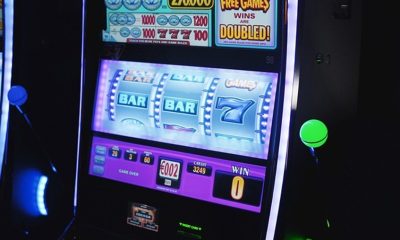
Yes, and the differences matter more than they used to. Classic mechanical-style slots still exist, mostly as nostalgia pieces, doing one thing and doing it slowly. Video slots dominate modern casinos, stacked with features, animations, and side games meant to hold attention, not explain odds.
Progressive machines chase scale instead of frequency, linking jackpots across rooms or entire networks. Then there are online-only formats, built without cabinets at all, where speed replaces atmosphere and the casino floor never existed to begin with.
End Bracket
Slot machines weren’t invented to compete with video games. They were already everywhere by the time games arrived.
What kept them alive wasn’t nostalgia or novelty. It was adaptability. Every time technology shifted, slots bent instead of breaking.

- What No One Tells You About Retro Games as Stress Relief
- Does Gaming Identity Now Show Up More Through Fandom and Social Spaces?
- Game Boy Advance Nostalgia Meets Mobile Play: What Handheld Gaming Taught Us About Playing on the Go
- What the 90s Did For Gaming – A Revolutionary Era
- Why Retro Games Feel Right at Home in a Browser
- From Retro Slots to Browser Games: Why Simple Reward Loops Last
- The worst American football-themed video games ever made
- The Card Games That Taught Computers to Play
- When the Arcade Cabinet Was Part of the Game
- Bonus Stages in Modern Slots Have More in Common With Arcade Games Than You Think
- Hidden Chance Games Inside Classic SNES Titles
- Five Games for When You Just Want to Play
- The Real Market Behind Virtual Retro Goods
- How Clear Navigation Enhances Player Exploration in Digital Casinos
- Why Hardware Limits Made Retro Games Better Designed
- The Impact Of Retro Gaming On Adjacent Entertainment Sectors
- How Pixel Art Became Cool Again
- They All Started With Retro Games But Left the Biggest Impact in Esports
- The Coin-Collecting Thrill of Super Mario World
- How Mario Kart’s Item Box Won Players Over
- When Retro Games Hid Tiny Slot Machines
- Retro Gamers Keep Reviving Classic PlayStation Titles Through Browser Emulation
- Why Fast-Start Design Still Wins in Retro Gaming
- How Old-School Basketball Games Built a New Generation of Fans
- Pokemon Cloud White’s Wild Grass Surprises
- How 80s Arcade Design Powers Modern Games
- How Fearless Draft Is Reshaping Professional League of Legends
- How Super Mario RPG’s Timed Hits Shine
- How to optimize your browser for lag-free retro gaming in 2026
- The Technical Magic Behind Retro Gaming’s Most Massive Worlds
- How Gold Slot Themes Add Familiar Casino Style
- What Actually Happens on the Convention Floor Wi-Fi at a Retro Gaming Expo
- Why Hidden Unlockables Made Games More Memorable
- The Death of Cheat Codes and What Replaced Them
- Why Retro-Themed Slot Games Are Thriving in Ontario’s Licensed iGaming Market
- The Best Retro-Themed Online Slot Games Available Today
- How Arcade Classics Shaped the Design of Modern Online Slot Games
- Why Retro Games Still Read Better at a Glance
- The gaming market is booming and it’s bigger than you think
- How Secret Pro Player Stats Reveal The Most Broken Meta Picks You Should Abuse Today
- High Score Culture and Friendly Competition in Classic Arcade Gaming
- Why Fruit Symbols Remain Common in Slot Themed Video Games
- Maine: Shaping US iGaming Further
- The Role of Player Opinions in Creating Long-Lasting Games
- Gamification is changing online casinos and online games in a big way
- Red Is the New Gold: How Covert Skins Became the New Core of the CS2 Economy
- Why classic fruit symbols and lucky sevens outlived the hardware of early physical machines
- From Arcade Tokens to Digital Coins: How Coin-Op Gaming Grew Up
- Why Pokemon Cloud White’s Random Encounters Feel So Thrilling
- How Pokemon ROM Hacks Like Cloud White Built Their Appeal on Pure Randomness