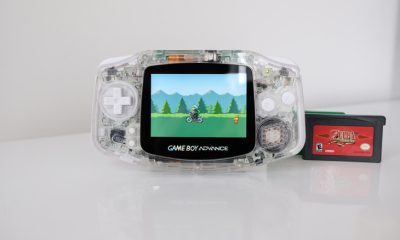
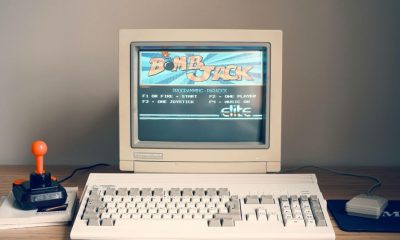
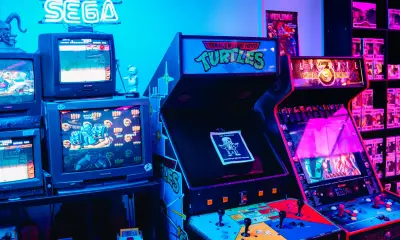
No, that’s not a trick question! Like you, dear reader, we’re just nuts about retro games here, and love nothing more than diving into The Legend of Zelda of an evening. We couldn’t help but wonder, though, if retro gaming has evolved into something, well, more here in the digital age.
It’s easy to think that the myriads of tech advancements we’ve been inundated with over the past twenty years or so has been the end of retro games. The truth is, this all-powerful genre hasn’t been KO’d by ray tracing, or even gotten buried under teraflops.
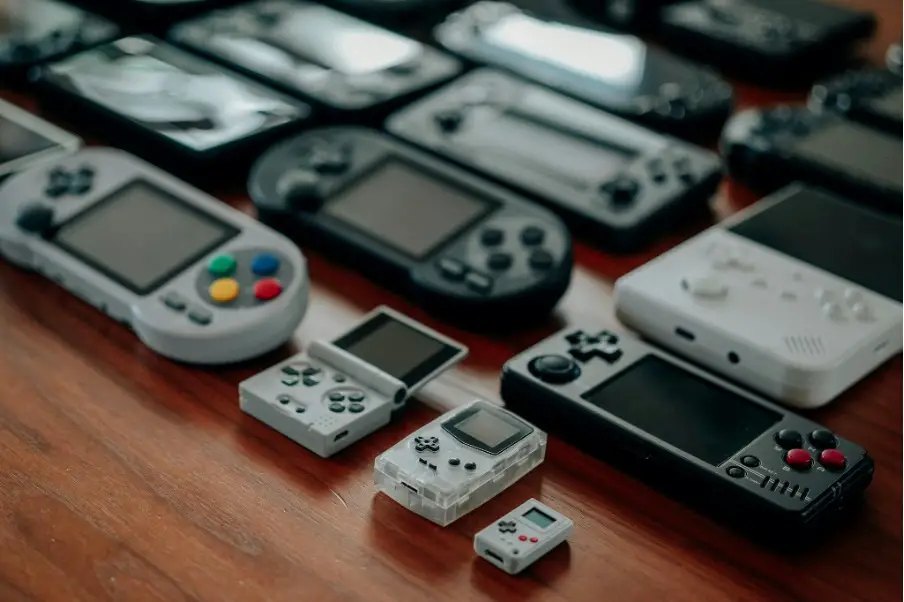
If anything, it’s never been in a stronger position. If you think retro gaming is only about booting up Super Mario Bros or revisiting Castlevania, you’re actually missing out on a major trend that’s sweeping through the modern gaming landscape.
Let’s dig in…
It Was Never Just About Pixels
Here’s an interesting question: what is it that actually makes a game “retro” in 2026? Is it age? Aesthetics? Hardware?
Maybe it’s something that runs much deeper than that—and keeps showing up in places you’re not even thinking of looking for retro gaming experiences.
For instance, most of the titles that are cropping up in top 10 throwback games to play-style lists all have one thing in common: clarity. Simple inputs with immediate feedback. You can pick the rules up in seconds, and from the moment you touch down on the level, the action doesn’t stop until something forces it to.
It’s why titles like Tetris still compel us even to this day. It’s not their age, though it’s impressive that a 42-year-old game can still reach new players; it’s the pure gaming experience you get from playing them.
Early arcade game design was nothing if not efficient, and that was down to circumstances. In those days, things like 64GB RAM were unheard of, while gaming hardware was not without its own unique constraints. The fascinating thing about all these barriers? They forced developers into something modern design often forgets: every single second of play time matters.
Now, compare that to contemporary games, with their massive onboarding ramps and expansive systems. Sure, there’s depth and progression trees (stacked on top of progression trees!), but something’s… missing.
Immediacy! You can’t simply get a feel for a brand-new AAA title these days; you have to learn it first.
Retro Design Is Hiding in Plain Sight
Okay, so mammoth hits from Electronic Arts and Activision Blizzard can’t exactly be considered “retro.” So, what can?
Look at the type of games that we’re all reaching for day to day. Whether it’s on the daily commute or a cheeky 15-min sesh during a coffee break, we’re filling our spare moments with games running on quick, repeatable loops.
It makes sense, too, since who’s actually got hours of time to invest in just getting started with a game here in 2026? Dipping into an experience with clear goals and rules—that’s retro thinking, albeit dressed in modern clothing.
We see this in mobile-first titles, which are all about immediacy and low barriers to entry. We can also spot it in browser-based experiences. And even brand-new indie projects strip away friction by centering a single, solid mechanic.
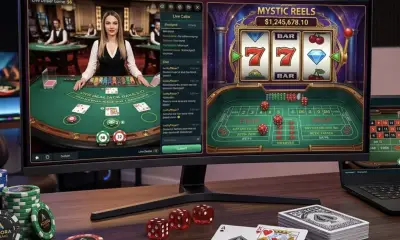
One of the clearest examples sits slightly outside conventional gaming spaces, even though you get double the retro for your buck. There’s a powerhouse vertical in online casino gaming that remains unchanged since the glory days of Vegas gambling: slots.
The real money slots titles on offer today might look like modern products, what with their snazzy animations and sleek interfaces. But underneath all the cutting-edge mechanics, the structure of these games is unmistakably retro. Just think of the basic loop:
Spin — result — repeat.
You’re getting clear and instant outcomes from a single input and—just like deciding to play another round of Space Invaders—you can choose whether or not you spin again.
The basic act of playing is the sole point in this vertical. Games like Oasis Dreams might have advanced hold and win features layered on them, but the core interaction remains as retro as ever.
The Rise of “Modern Retro” Genres
While iGaming might be leading the charge for the modern face of retro gaming, there are still plenty of conventional gaming spaces that are still deliberately leaning into simplistic gameplay and even retro aesthetics.
Just look at Motion Twin’s Dead Cells. It’s one of a number of games that not only pays homage to old-school aesthetics; but it’s also repackaged the arcade loop for console, PC, and smartphone gaming. Far from being locked into a two-hour session, games like this let you play in bursts. If you fail, just reset and go again.
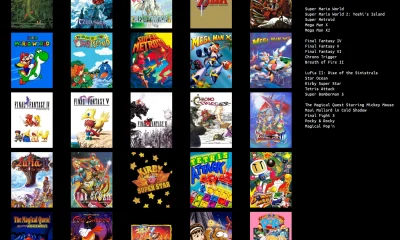
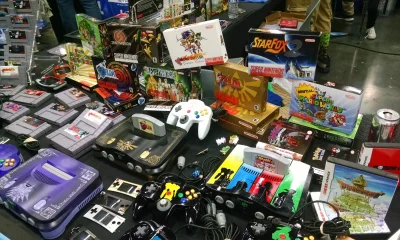
Of course, those authentically retro games are still here—and arguably more accessible than ever. The gaming community is nothing if not passionate, and preservation efforts by fans and video game collectors have made it easier to revisit those beloved classics without needing to hop into a time machine.
And the best thing of all is that they still work as compelling gaming experiences. Not because of the irresistible appeal of nostalgia (definitely helps, though!) but because the gameplay and design still hold up.