Games
A Sealed Copy of Super Mario Bros Sold for $2 Million and a CS2 Knife Sold for $400,000 and Both Prices Follow the Same Logic

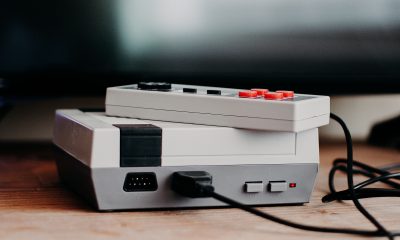
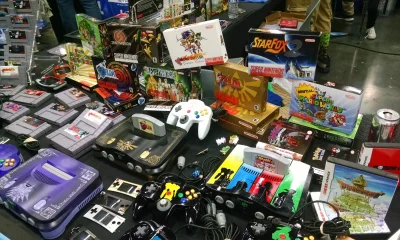
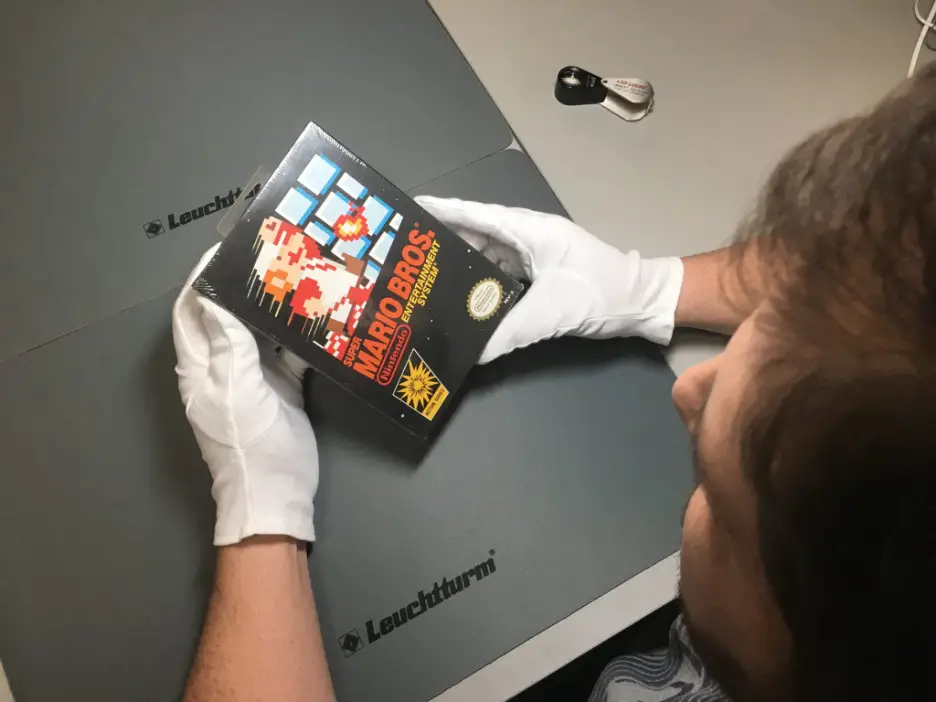
Both prices sound absurd to people who aren’t in those markets. Both prices make perfect sense to people who are. The logic behind them is identical. A sealed copy of Super Mario Bros from 1985 sold for $2 million because it is one of a tiny number of verified sealed copies from that print run. It cannot be manufactured again. Every year, the number of sealed copies in existence gets smaller as some get opened, damaged, or lost. The demand comes from a collector community that has agreed, through decades of buying and selling, that sealed early Nintendo games are worth paying large amounts of money for.
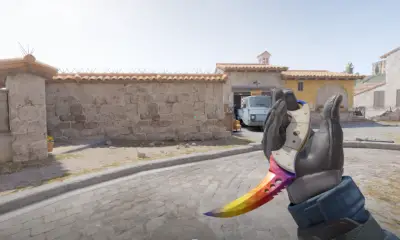
A CS2 karambit knife Case Hardened pattern sold for over $400,000 because it is one of a tiny number of that exact pattern that has ever been unboxed. No more can be created. Every year, some leave the market permanently through banned accounts and abandoned inventories. The demand comes from a collector community that has agreed, through over a decade of trading, that specific rare patterns are worth enormous money.
The mechanism is the same. Fixed supply. Shrinking availability over time. Demand that stays steady or grows as more people enter the market. Scarcity creates value when there’s a community willing to enforce it through spending.
Retro game collectors grade condition obsessively. WATA and VGA scores assign numerical grades that determine massive price differences between copies of the same game. A 9.8 sealed versus a 9.4 sealed isn’t a visible difference to someone who doesn’t know what they’re looking at, but it can mean tens of thousands of dollars. CS2 has the same thing. Float values range from 0 to 1, with lower numbers meaning better visual condition. The gap between a 0.001 and a 0.06, both technically “Factory New,” can be hundreds or thousands of dollars. Traders check these numbers on cs2 Skin trading sites with the same intensity that retro collectors check grading reports.
Authentication is where CS2 has a clear advantage. Retro game grading has been plagued by controversy. WATA’s grading standards have been questioned. Conflicts of interest between grading companies and auction houses have been alleged. The physical nature of the items means that re-seals, label swaps, and other manipulations are possible and have been documented.
CS2 skins have none of these problems. Every skin’s attributes are recorded in Valve’s database and verifiable through the Steam API. A skin’s float value, pattern seed, and trade history are all permanent and tamper-proof. There are no fakes. There are no re-seals. There’s no grading company whose judgment you have to trust. The data is the data.
The timelines are different. Retro game prices appreciate over decades. CS2 skin prices can move over months or weeks. A new case release can shift prices across entire skin categories within days. A discontinued case can cause steady appreciation over a year.
The people who collected sealed NES games in the early 2000s were told they were wasting their money. Some of those games have since sold for six and seven figures. The people collecting CS2 skins today hear the same criticism. They have a decade of price data suggesting the same eventual outcome.
The timelines are different and this matters. Retro game collecting is a decades-long game. A sealed NES cartridge bought in 2005 appreciated slowly for ten years, then rapidly as the market gained mainstream attention. The payoff was real but it required extraordinary patience.
CS2 skin collecting operates on a compressed timeline. Items from discontinued cases can appreciate measurably within a year. The market generates enough data and enough volume that you can track returns in near real-time. The feedback loop is faster, which attracts a different type of person. Retro game collectors tend to be patient accumulators. CS2 skin traders tend to be active managers.
Both markets share a vulnerability: their value is community-dependent. A sealed Super Mario Bros is worth $2 million because the retro gaming community says it is. A CS2 knife is worth $400,000 because the skin trading community says it is. If either community lost interest, the prices collapse. The difference is that CS2’s community is growing (the player base increases every year) while the retro game community is relatively stable. That growth dynamic is one reason skin traders are optimistic about long-term prices.